
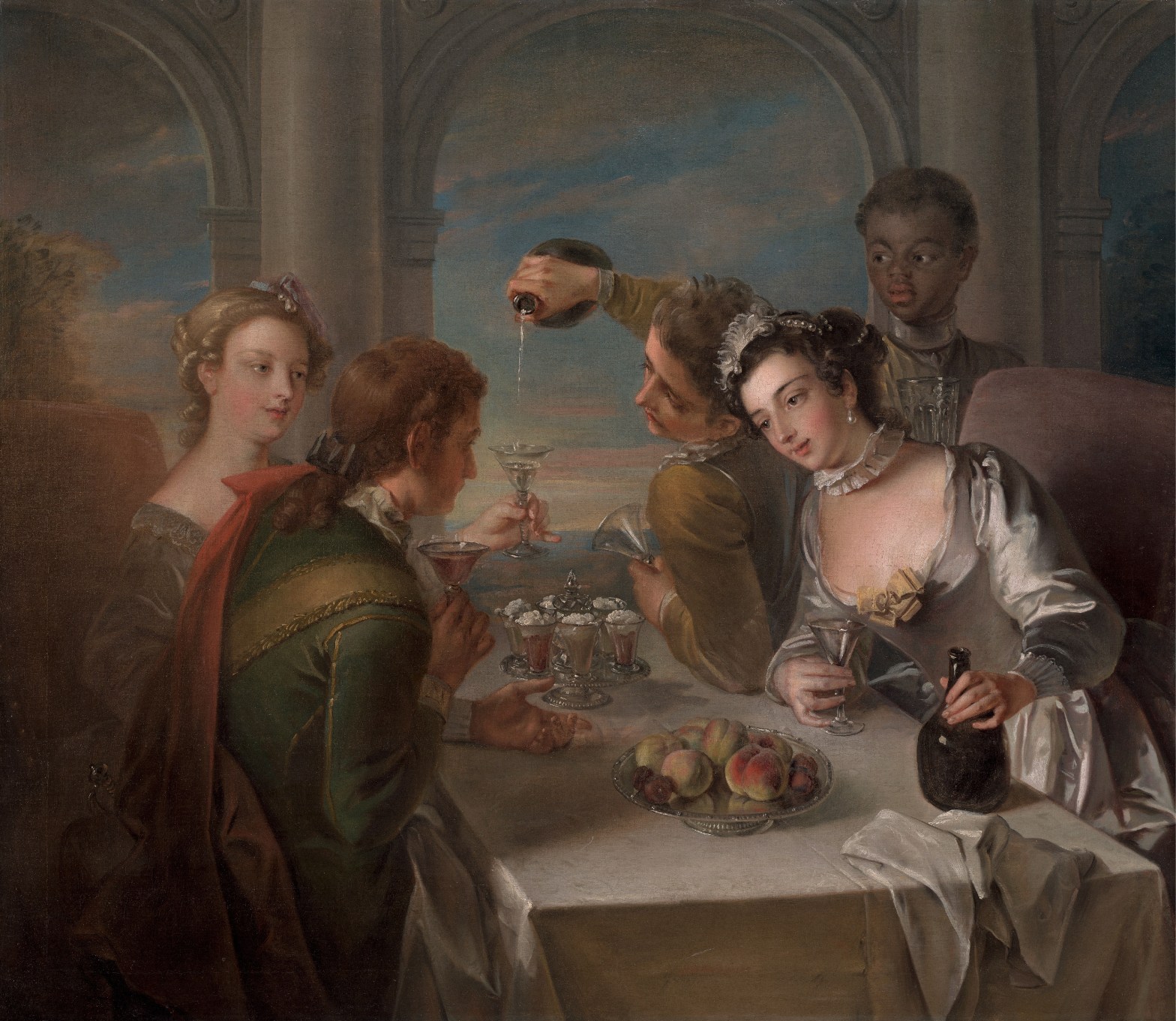
In 2020, I tried to start a Jeffersonian Dinner program at Fort Mifflin. We had one “Jeffersonian Picnic” but the stringencies of the COVID 19 pandemic prevented this program from really taking hold. This year (2025), I want to try to reboot this program with a slight simplification. I am working to launch a new …
Category Archives: Brewing
Doctor Heal Thyself — 18th Century Medicine Gone Wrong

John Hunter Gave Himself Gonorrhea and Syphilis John Hunter was a renowned 18th-century surgeon in London and eventually become the most famous physician in all of England. Hunter made enormous contributions to anatomy and embryology through the dissection of cadavers pilfered by the professional grave robbers known as resurrection men. This knowledge of anatomy allowed …
Continue reading “Doctor Heal Thyself — 18th Century Medicine Gone Wrong”
Handbell Cocktails
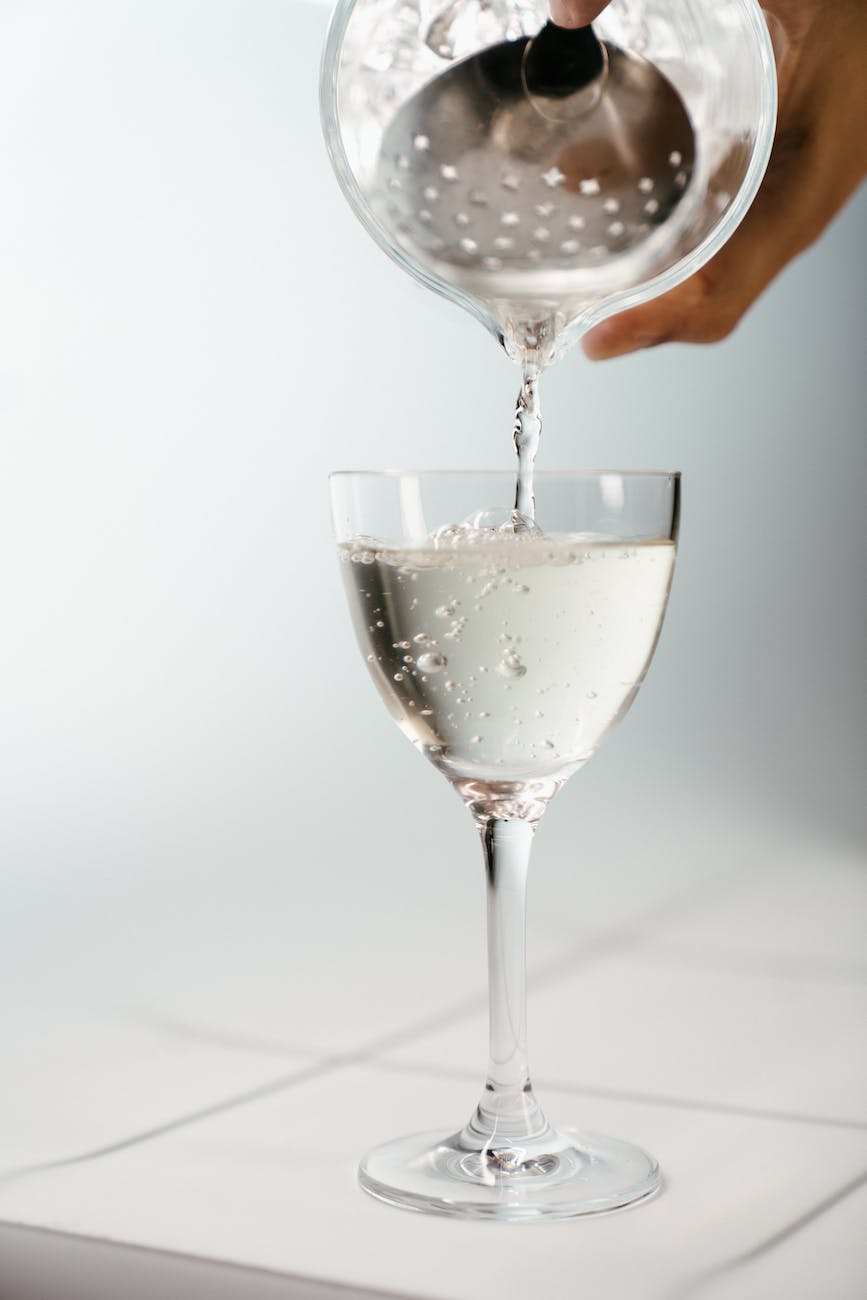
Well, I found this cool cocktail shaker. No, it’s not period correct but it’s cool. Looks like a bell. To that end, the Admiral of the Blue is adding the following “Bell Ringer” cocktails to our line-up for future Tavern Nights. You put your ice and spirits in the bell, assemble and ring the bell …
Benedict Arnold American Wild Ale

Do you consider Benedict Arnold a brilliant general or an evil traitor? Despite what you may have learned in school, the answer to this question is far from simple and highly political. Blessed with almost superhuman energy and endurance, handsome and charismatic, he was a successful apothecary and a seagoing merchant before the war. Unfortunately, …
Baldwin Apples

If you are serious about drinking cider, then you almost certainly know that US President John Adams also drank cider enthusiastically, and professed to consume a gill a day, before breakfast. Cider was John Adams’ orange juice, and in his day, it was understood that a good quantity of cider, and the Vitamin C that …
Medicinal Properties of Hops
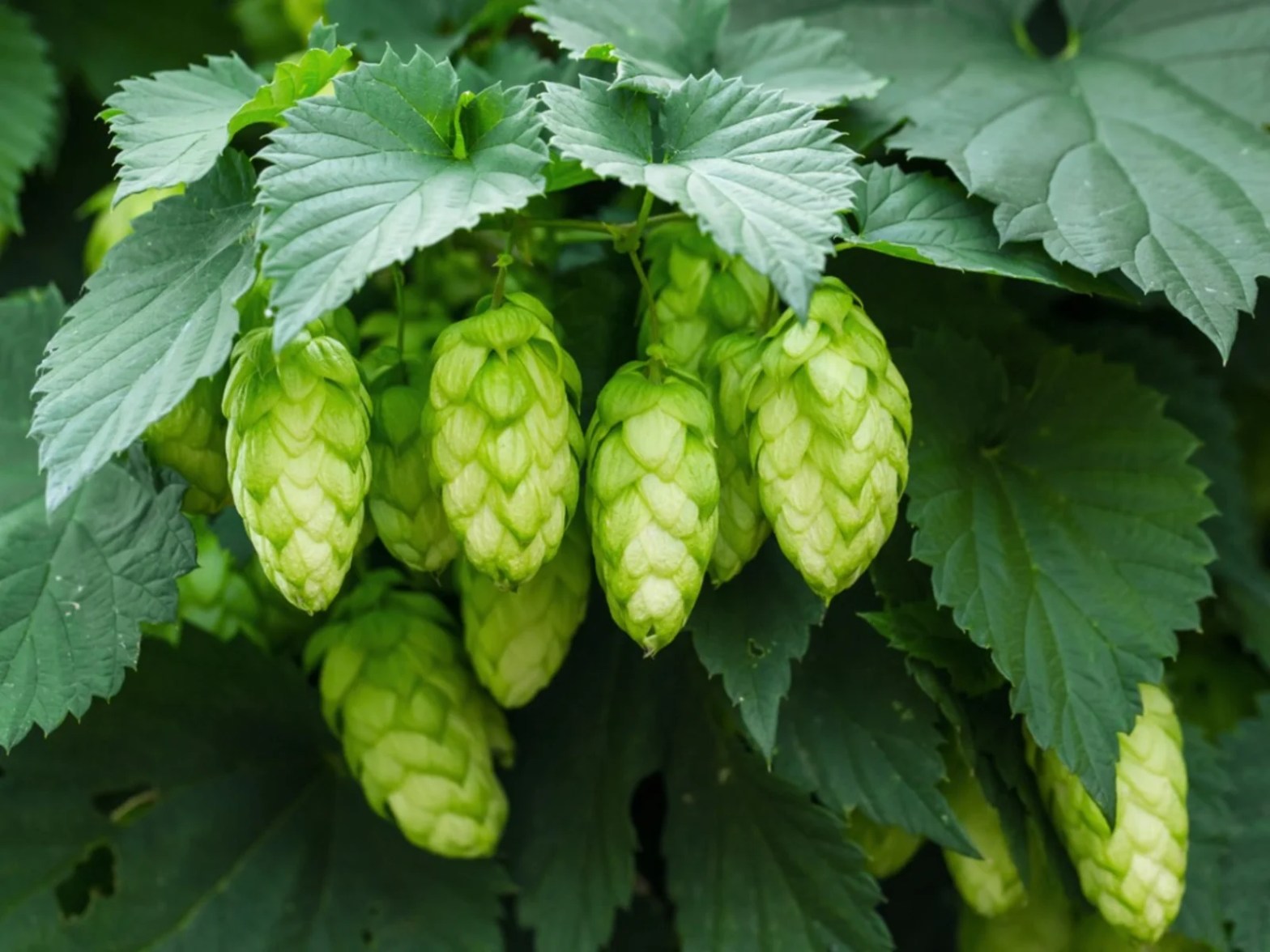
Beyond beer, what are hops used for? Well, humulus lupulus (hops) is related to cannabis (humulus cannabis) and while you can’t smoke it, the herb is used for calming: reducing anxiety, encouraging sleep, and many other medical properties. As a tea, hops are quite bitter and the flavor. Its bitterness is actually a plus when …
The Ugly History of Hops
Hops are a relatively new addition to the brewmaster’s toolkit. Prior to the widespread adoption of hops, beer, sometimes called gruit, was bittered and flavored with spice and herb mixtures. Any number of herbs and spices went into gruit including henbane, wild rosemary, heather, ginger, spruce, juniper, and bog myrtle, just to name a few. …
Growing Hops at Home
I grow hops at home and not just because fresh hops make better beer. First of all, hops area a wonderful ornamental plant. I would grow hops for my wife just because she thinks they are pretty. Hops are also a powerful medicinal herb. You can use hop tea (or beer by the way) to …
Warm Beer?
The temperature of a beer changes the drinker’s experience. Warmer temperatures reveal the range of flavors in a beer but cooler temperatures are considered more refreshing. Drinking chilled beer didn’t really begin until the development of artificial refrigeration in the 1870s, so 18th Century beer would always be fermented and served at room temperature (~20C) …
Warm Beer?
The temperature of a beer changes the drinker’s experience. Warmer temperatures reveal the range of flavors in a beer but cooler temperatures are considered more refreshing. Drinking chilled beer didn’t really begin until the development of artificial refrigeration in the 1870s, so 18th Century beer would always be fermented and served at room temperature (~20C) …
 Michael Carver -- Historical Interpreter/Reenactor