

The encampment of Continental Army at Valley Forge (12/19/1777 — 6/19/1778) is known as the time of the greatest suffering. By the end of the encampment, almost a forth of the original army had died of disease, exposure, and privation. The food was said to have been both bad and infrequent. Even though food was …
Category Archives: Brewing
Basic Colonial Brewing #10 –Making the Brew

Once you have wort, its time to actually “brew” (from the Dutch brouwen: to bubble or effervesce) the beer. I hope by now you realize that a lot more work goes into preparing to brew than actually brewing the beer. When I do demonstrations, someone always remarks that brewing takes a long time but in …
Continue reading “Basic Colonial Brewing #10 –Making the Brew”
Beer Recipe: Redcoat IPA

In our modern lives, we rely on the police and the powers of government to protect our property and our most important institutions. When crimes occur, we expect our elected officials to take action and secure the peace. Consider how you would feel if your town were taken over by criminals, thugs, and miscreants? Now …
Beer Recipe: Victory at Yorktown
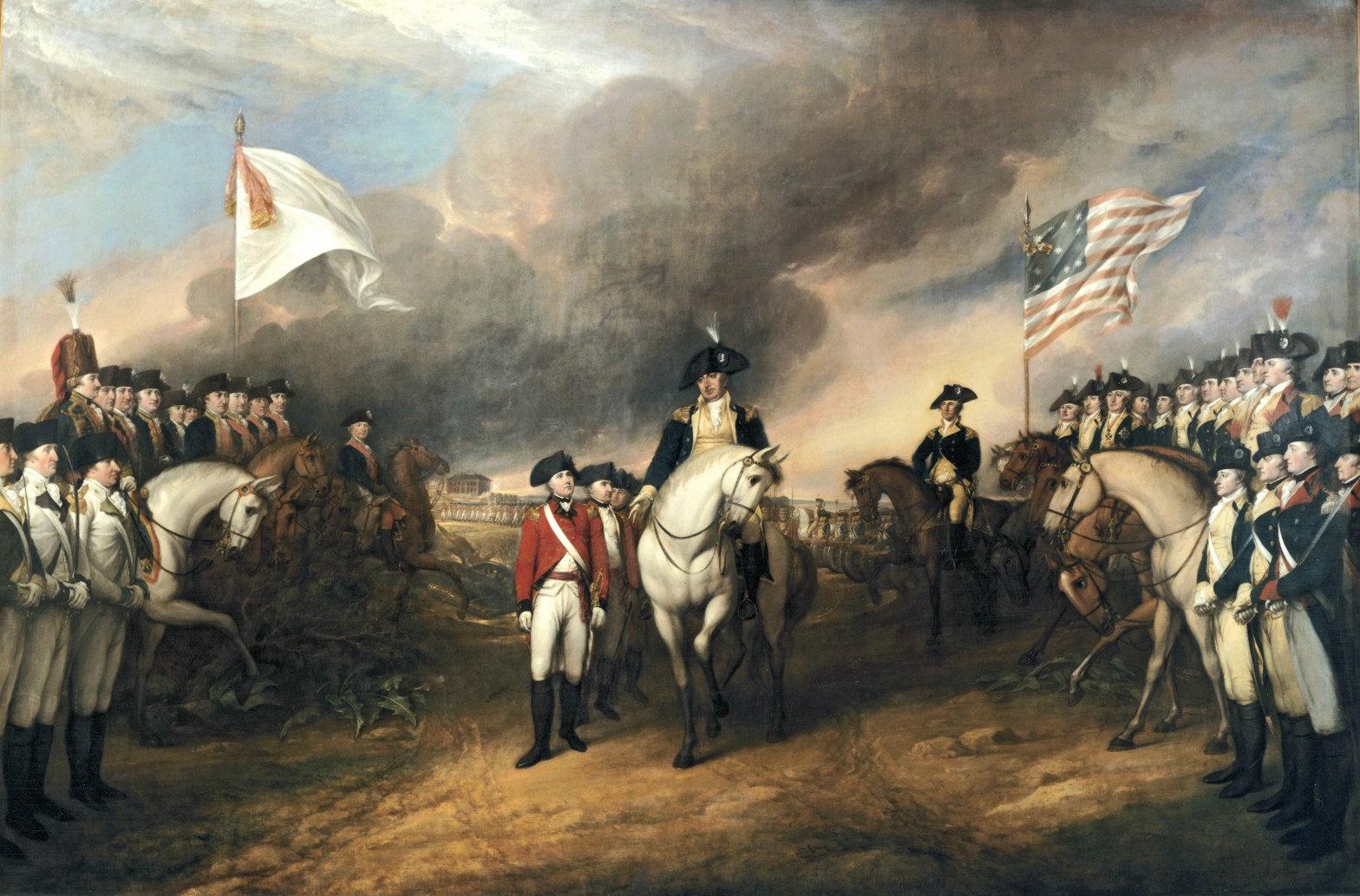
October 17, 1778, General Charles Cornwallis raised a flag of truce over the fortifications at Yorktown after having suffered not only the combined French and American attack but also disease, lack of supplies, inclement weather, and a failed evacuation. With the French navy in the York River and siege lines advancing on his position, defeat …
What is a “Colonial Beer?”
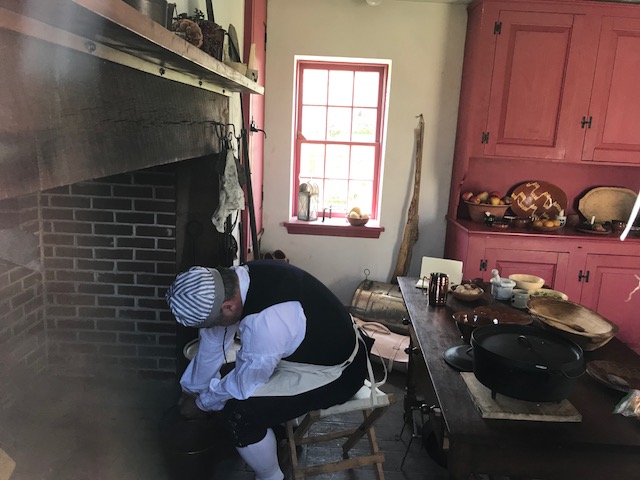
Reenactors seem to revel in the debate over historical accuracy. We either passionately focus on authenticity or we bristle at those who do. Colonial brewers are reenactors and we run the gamut from casual historical entertainers to passionate academic historians. There is a place for everyone but we need to acknowledge the range of expression …
Beer Recipe: French Alliance “Myrtile” Lambic
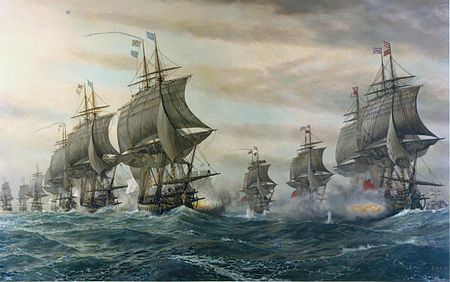
“Myrtille” is French for Blueberry. It is popular in some so-called patriotic circles to make snarky comments about France and the French, We call them “Frogs” and complain about rescuing them from their foreign exploits like Vietnam when they hold us to high moral standards on our adventures. The fact, however, is that the United …
Continue reading “Beer Recipe: French Alliance “Myrtile” Lambic”
Basic Colonial Brewing #9 — Mashing and Decoction
The first major step in brewing beer is to extract the fermentable sugars and starches from the malt kernels. This process is called mashing (from the German maisch: to mix). The basic idea is to harness the enzymes already present in the grain in order to digest the complex inert starches into fermentable simple sugars. …
Continue reading “Basic Colonial Brewing #9 — Mashing and Decoction”
“Beer” Recipe: John Adams — Breakfast Cider

Apple juice was fermented because before we had refrigeration, it was hard to stop that from happening — apples would just ferment naturally. When English colonists first arrived in North America, they enthusiastically embraced the wide range of wild fruits they found growing, from grapes to berries and of course, begam to make wines and …
Continue reading ““Beer” Recipe: John Adams — Breakfast Cider”
Basic Colonial Brewing #8 — Malting the Grain
Before grain can be used to make beer, the starches stored in the kernel must be converted to fermentable sugars. The grain does this naturally as part of the germination process, so the brewer need only harness this process and then stop it before the grain sprouts to capture the sugars they need for their …
Continue reading “Basic Colonial Brewing #8 — Malting the Grain”
Beer Recipe: Constitutional Debate Stout

Summer in Philadelphia can be hot and muggy. Not a time to be locked in a sealed room with locked doors and windows and 55 other delegates from all over the country trying to fix a system of government that was failing but in the summer of 1787 it had to be done. Something HAD …
 Michael Carver -- Historical Interpreter/Reenactor