Basic Colonial Brewing #15 — Necessary Anachronisms in Colonial Brewing

One question I frequently get asked at reenactments is “is that the really the way beer was made in the 1770’s?”  For the most part, the answer is “yes” but there are some very necessary exceptions.  Not all “Colonial Beers” are good and some of the methods used in the 18th Century were unsafe by …

Beer Recipe: Flippen Pompkin Ale

When the British imposed the Stamp Act of 1765, John Hancock helped lead the opposition in urging a boycott of British-made goods. Far from an act of patriotism, Hancock, a smuggler of tea, rum, and wine, used these boycotts earn obscene profits. But the boycotts did impact the Crown and eventually lead to the repeal …

Beer Recipe: Nightingale on a Stone Wall

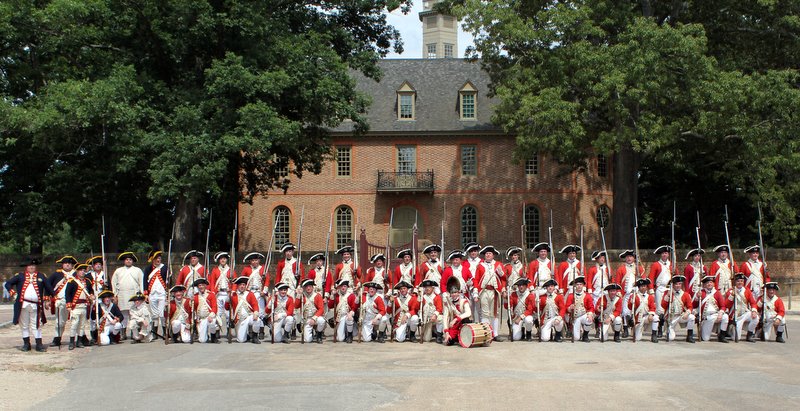
The British army punished its soldiers mercilessly. The purpose was to inspire terror by setting an example. Soldiers were frequently whipped leading to the derisive moniker “bloody backs” by which Redcoat soldiers were frequently known. The most common offence was drunkenness, which could merit 100 lashes. The sentence was carried out in front of the …

The Yeast Ring

This year, I am adding a somewhat archaic bit of brewing equipment to the gear brought out by the Regimental Brewmiester.  The yeast ring or gjarkrans is a piece of traditional brewing gear from medieval Sweden and Denmark.  This tool resembles a complicated wreath of small pieces of whittled wood.  Yeast harvested from one batch …

Beer Recipe: Common Sense Cherry Pils

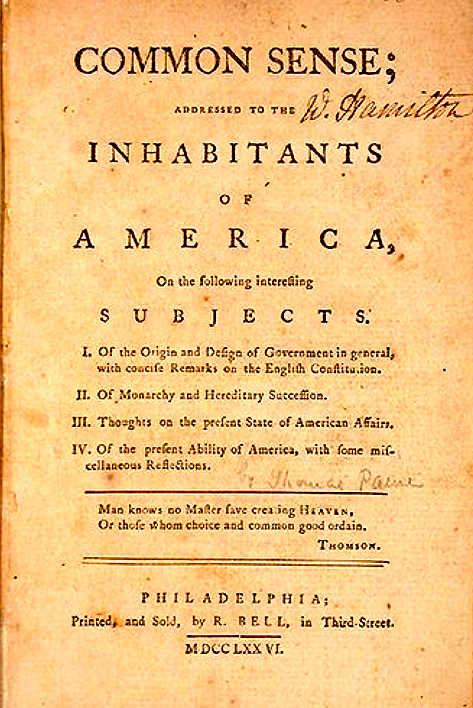
Although little used today, pamphlets were an important medium for the spread of ideas in the 16th through 19th centuries. Before the era of radio communication and television, when you wished to convey a message to a large audience, you published it. Originally published anonymously, “Common Sense” not only advocates independence but explains how the …

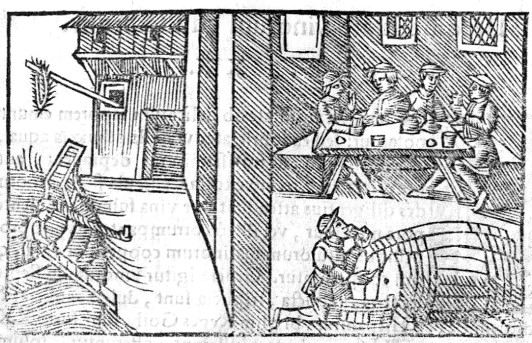
Beer Recipe: Act of Parliament — Small Beer

In the days before proper sanitation, drinking water could be very dangerous. There are many waterborne parasites (like the amoebas that cause dysentery) and pathogens (like cholera) and as people formed settlements and cities, these diseases were easily spread. Fear of drinking the water was so strong that in 1620 when Puritan settlers arrived in …

Basic Colonial Brewing #11 — Managing Heat

A friend of mine recently comment that my 18th Century brewing demonstrations are so much more relaxed than what they see when modern methods are used.  WOW!  It must be like the duck on a pond – calm above and paddling like mad below.  Even when you ignore the added complexity of simultaneously speaking to …

Beer Recipe: Valley Forge Spruce Ale

The encampment of Continental Army at Valley Forge (12/19/1777 — 6/19/1778) is known as the time of the greatest suffering. By the end of the encampment, almost a forth of the original army had died of disease, exposure, and privation. The food was said to have been both bad and infrequent. Even though food was …

Basic Colonial Brewing #10 –Making the Brew

Once you have wort, its time to actually “brew” (from the Dutch brouwen: to bubble or effervesce) the beer.  I hope by now you realize that a lot more work goes into preparing to brew than actually brewing the beer.  When I do demonstrations, someone always remarks that brewing takes a long time but in …

Beer Recipe: Victory at Yorktown

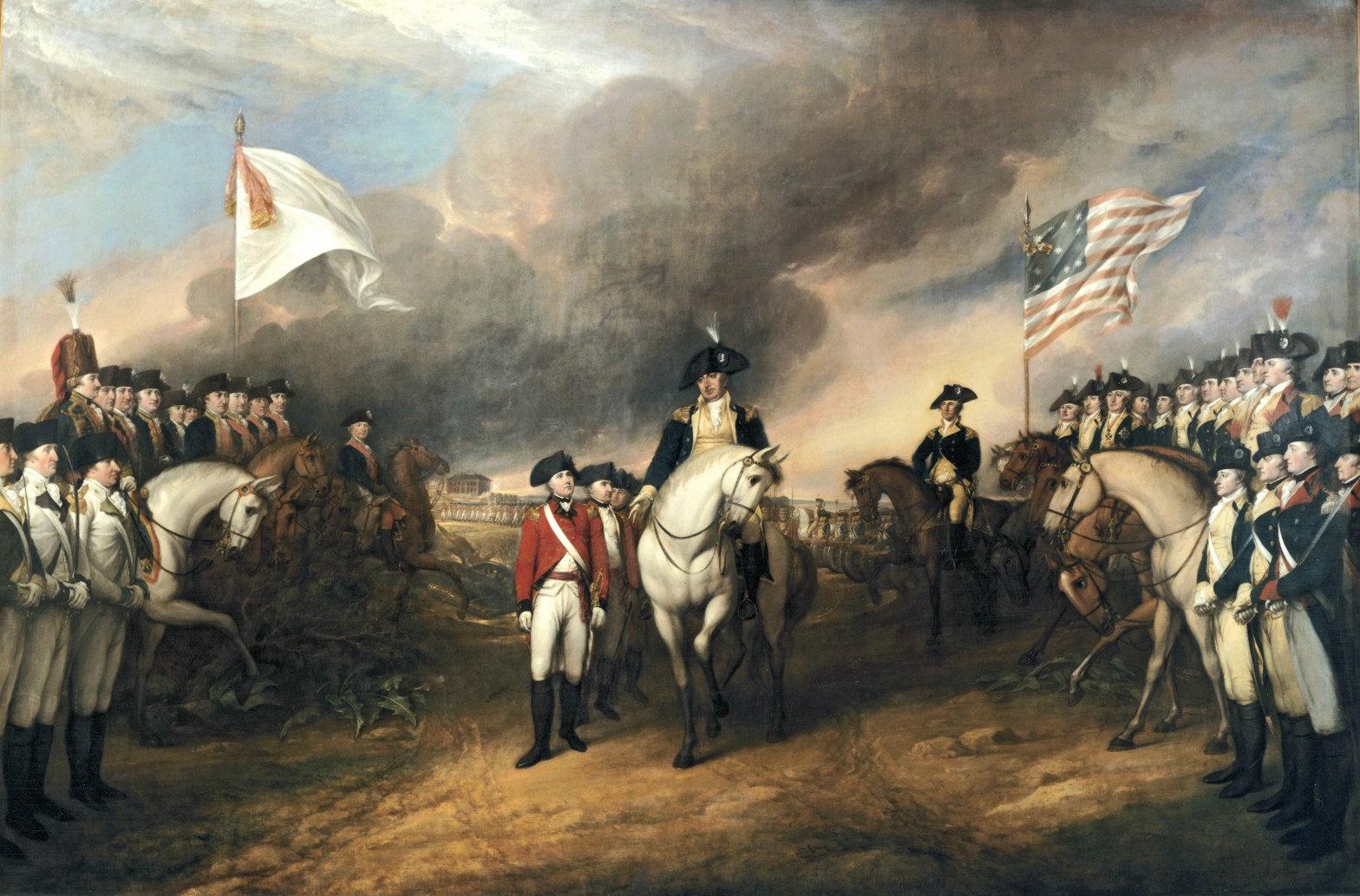
October 17, 1778, General Charles Cornwallis raised a flag of truce over the fortifications at Yorktown after having suffered not only the combined French and American attack but also disease, lack of supplies, inclement weather, and a failed evacuation. With the French navy in the York River and siege lines advancing on his position, defeat …