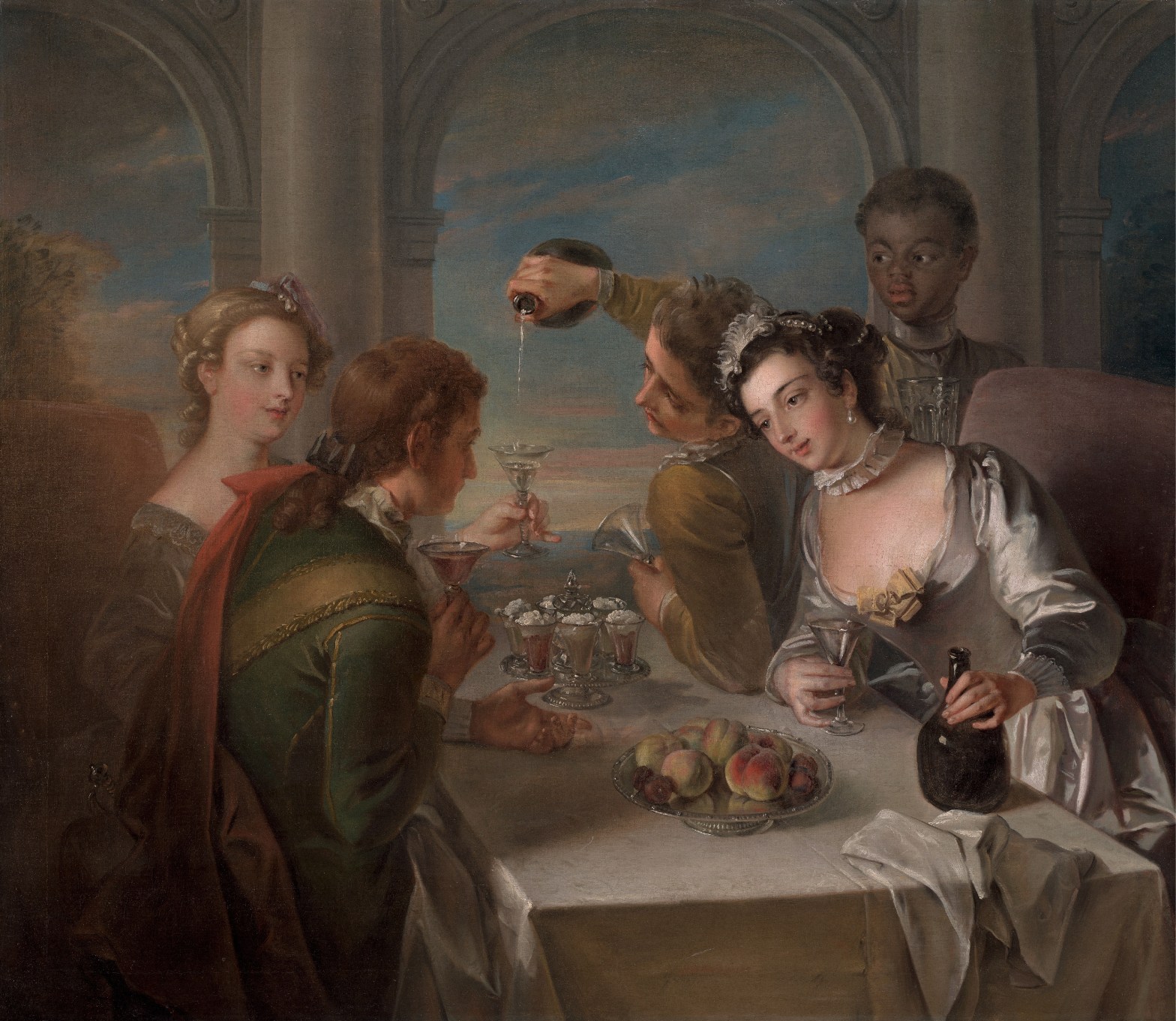
Syllabub was a very common dessert in the 17th, 18th, and 19th centuries. Originally milk was sweetened and mixed with cider, sweet fortified beer, or sherry then left to curdle. It could be served hot or cold and was more or less stable for about a week after it was made so it was a …
Monthly Archives: September 2023
Historical Tidbits — Treaty of Versailles

When reenacting or acting as a historical interpreter, its good to have a few historical dates and stories to share. This series will publish a few. September 3, 1783 Peace proclaimed – Treaty of Versailles Following the disastrous defeat at Yorktown and subsequent sequestering of British Forces in New York City, the British peace commissioner …
Continue reading “Historical Tidbits — Treaty of Versailles”
Historical Tidbits — Switching to the Gregorian Calendar
When reenacting or acting as a historical interpreter, its good to have a few historical dates and stories to share. This series will publish a few. September 2, 1752 (sort of) – The British Empire ended their use of the Julian Calendar, switching to the Gregorian resulting in a 12-day shift. The next day on …
Continue reading “Historical Tidbits — Switching to the Gregorian Calendar”
US Treasury Department Founded: September 2, 1789

During the American Revolution, the Continental Congress had no power to levy and collect taxes, nor was there a tangible basis for securing funds from foreign investors or governments. Left with no real money, the delegates resolved to issue paper money in the form of bills of credit, promising redemption once the war was won. …
Continue reading “US Treasury Department Founded: September 2, 1789”
UPCOMING EVENT
Saturday, September 910am – 4pmHistoric Rittenhouse Town6034 Wissahickon AvenuePhiladelphia, PA 19144 In order to finance some of his scientific projects, David Rittenhouse made topographic surveys for roads, rivers, and various properties as City Surveyor of Philadelphia in 1774. The most significant and widely known of his field work dealt with laying out boundaries and jurisdictional …
John Chapman Worked to Make the World a Little Better

John Chapman was born in Massachusetts in 1774 and was a student of Emanuel Swedenborg, who espoused a secular humanist creed. This is similar to the Jewish concept of tikkun olam (תִּיקּוּן עוֹלָם). Secular humanism teaches that the world is innately good but that there is always room for us to improve it. Ethics are, …
Continue reading “John Chapman Worked to Make the World a Little Better”
I have Begun Planning for 2024

Hire the Regimental Brewmeister It’s reached that time of the year where I start planning for 2024 and I am hoping to include you in the mix of organizations I support next year. I am emailing you today in the hopes that you will consider inviting either the Regimental Brewmeister or the Colonial Surveyor to …
Historical Tidbits — Currency Act
When reenacting or acting as a historical interpreter, its good to have a few historical dates and stories to share. This series will publish a few. September 1, 1764 — Currency Act The colonies suffered a constant shortage of currency with which to conduct trade. There were no gold or silver mines and currency could …
 Michael Carver -- Historical Interpreter/Reenactor