
Category Archives: Ideas
Hire the Regimental Brewmeister
Hire the Regimental Brewmeister …
Help Wanted
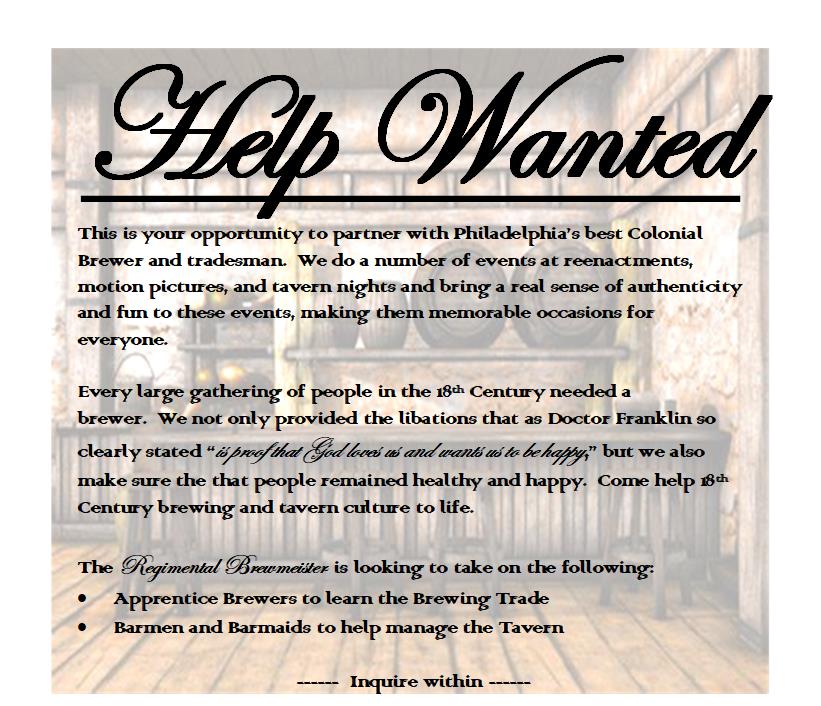
The Regimental Brewmeister needs to recruit one or two people to help with upcoming paid events. Most events are in the general Philadelphia area but some require travel. Brewers: Learn to brew as an 18th Century Journeyman brewer. Talk to the public about beer, brewing, and sanitation in the 18th Century. Serve samples. Tavern Keepers: …
Hire the Regimental Brewmeister
Hire the Regimental Brewmeister …
Shut up About the DSA. We need More 3rd Parties not fewer

MAGA loves to create conflicts and diversions, even when there is none really there. As we go into the election, they are up to their old tricks yet again – Name Calling and Mud Slinging. Such is the case with the pseudo-party named the Democratic Socialists of America or DSA. Let’s be clear, this is …
Continue reading “Shut up About the DSA. We need More 3rd Parties not fewer”
Is America a Capitalist Nation Anymore?

In 1776, a Scottish philosopher and economist published the seminal work on Capitalism. Adam Smith sought to offer the world an alternative to Mercantilism, a system where governments increased their wealth and power by maximizing exports and minimizing imports. In his Wealth of Nations, Smith laid out an economic system where the “unseen hand of …
Help Wanted
The Regimental Brewmeister needs to recruit one or two people to help with upcoming paid events. Most events are in the general Philadelphia area but some require travel. Brewers: Learn to brew as an 18th Century Journeyman brewer. Talk to the public about beer, brewing, and sanitation in the 18th Century. Serve samples. Tavern Keepers: …
Surviving and Thriving in a Revolutionary Time: 18th Century Brewing and Cocktails
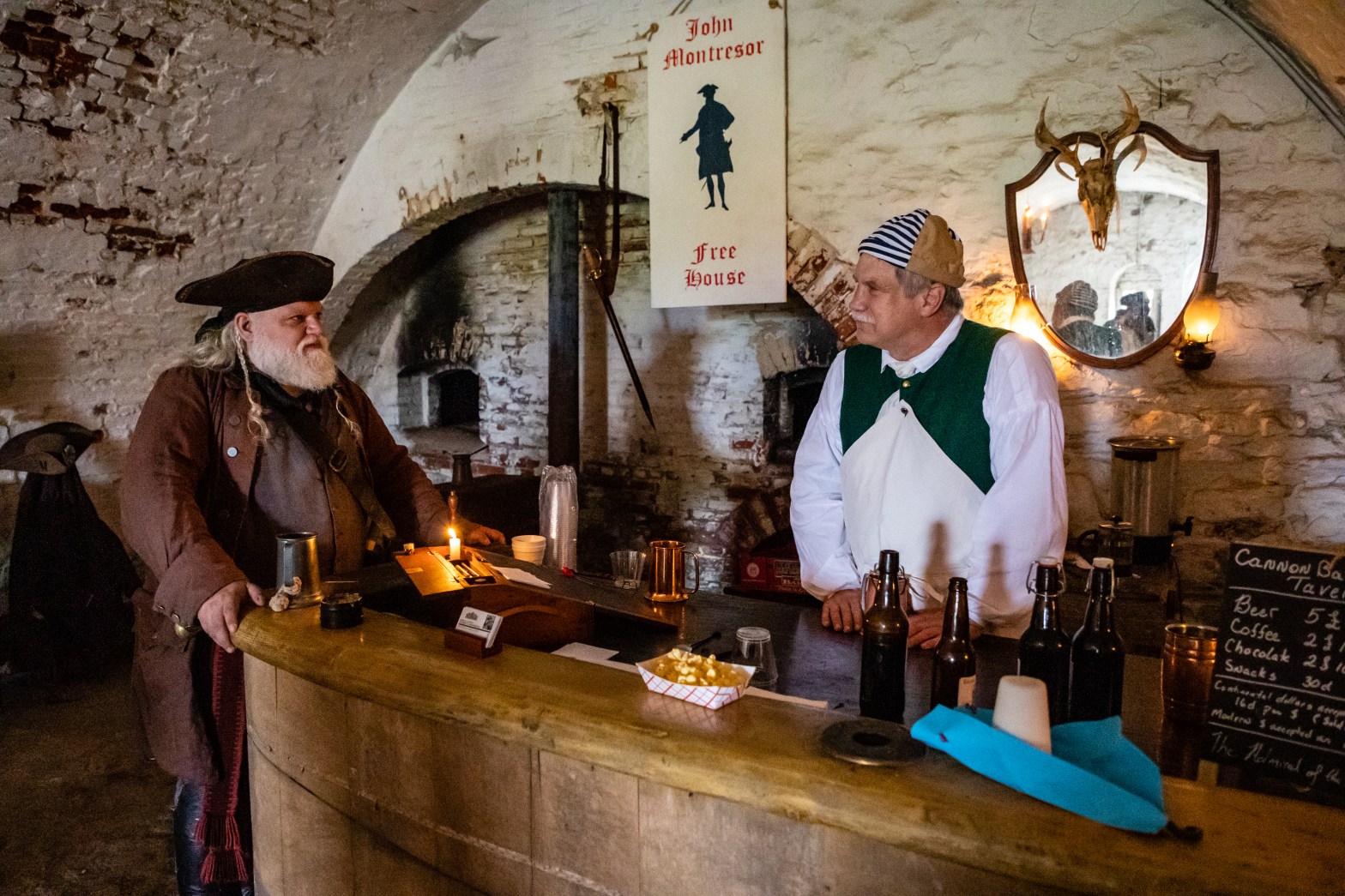
https://www.historiceastfield.org/workshops/p/18th-century-brewing Instructor: Michael Carver, the Regimental Brewmeister This one-day workshop will combine two popular programs, instruction and demonstrations on 18th century brewing and hands-on colonial cocktail building. Led by Michael Carver, the Regimental Brewmeister in period presentation, this workshop will introduce participants to the methods, brews, and experience of a brewer from 1778. You will …
Raising Spirits in Revolutionary Times: An Immersive Tavern Night

https://www.historiceastfield.org/workshops/p/tavern-night Host: Michael Carver, the Regimental Brewmeister Outside of the church, the tavern was the most important institution in most towns. Taverns were used as meeting places for political assemblies and business; places to share news, swap stories, and spread ideas; the site of travel crossroads and community-building. Strangers and neighbours alike came together in …
Continue reading “Raising Spirits in Revolutionary Times: An Immersive Tavern Night”
A Cause for Celebration
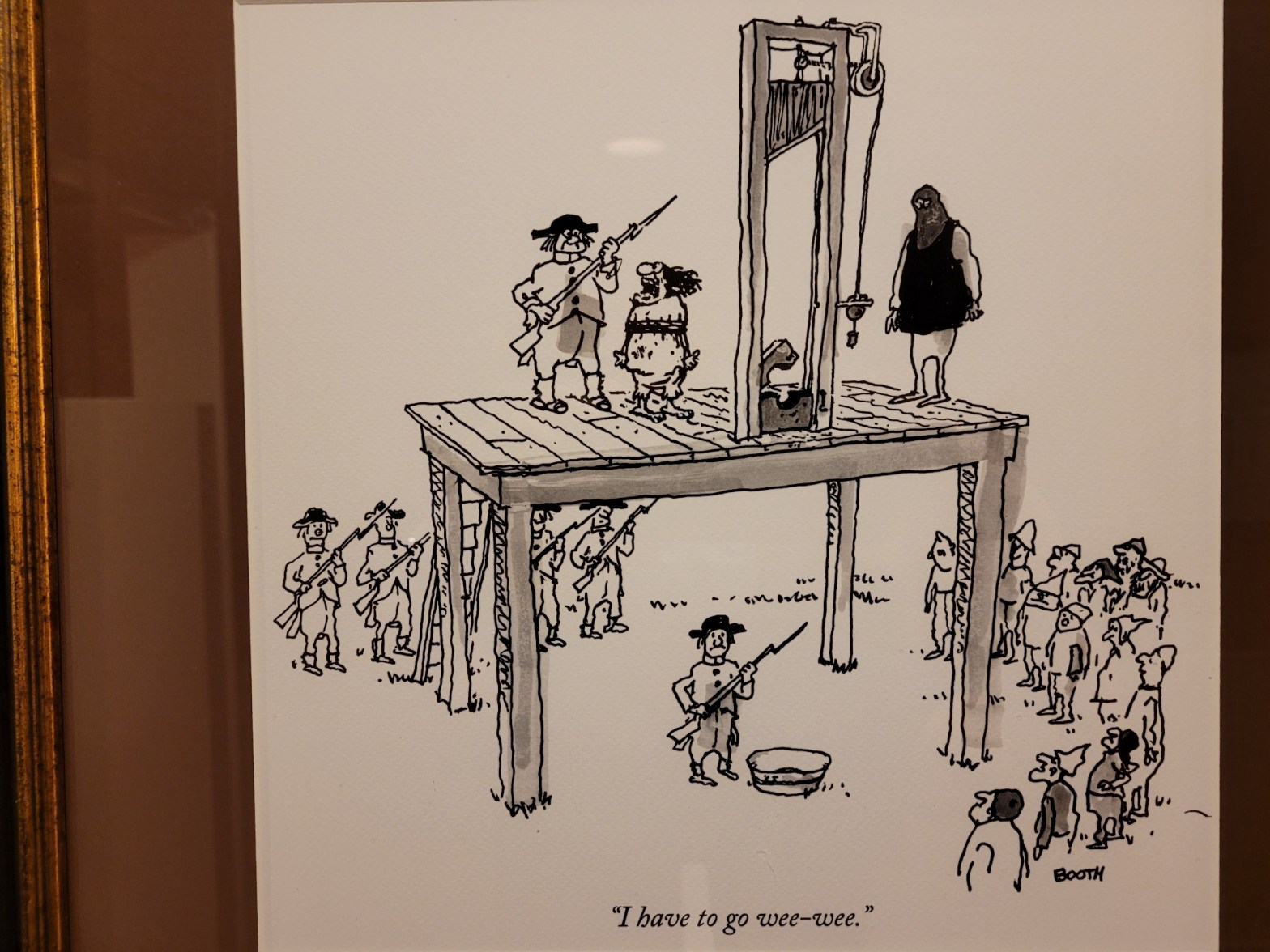
In solidarity to our American Values minded brethren at Minocqua Brewing Company in Wisconsin, the Regimental Brewmeister is committed to serve FREE BEER for a full month following the death of Donald Trump. https://www.the-independent.com/life-style/wisconsin-brewery-alcohol-permit-trump-free-beer-b3024000.html?fbclid=IwY2xjawTYPLRwZG9mAWV4dG4DYWVtAjEwAGJyaWQRMUNvUGlkb0Ewa3NRUUVtbExzcnRjBmFwcF9pZBAyMjIwMzkxNzg4MjAwODkyAAEePWVLold6u1v53aII0hCKbX6EQ-EZ_IpkqyGksrLrayZSkpfbLfcEGEybMFc_aem_fnbCa9aXVp9wfG_KXGvk9g In to have the Regimental Brewmeister at your site or event? You can hire me. https://colonialbrewer.com/yes-you-can-hire-me-for-your-event-or-site/

