When reenacting or acting as a historical interpreter, its good to have a few historical dates and stories to share. This series will publish a few.
Consider the common phrase “Mums the Word.”
“Mum” in this context has nothing to do with your mother. The phrase is generally considered to mean: telling someone to keep quiet about something; it is not to be shared. “Mum” in this context refers to “mmm”, humming sound one makes with a closed mouth which was actually a word back in the 14th century. So, “mum” refers to someone unwilling or unable to speak. But the term wasn’t just an old English word; it was also an old English holiday tradition.
In the Middle Ages, mumming was a holiday activity, sort of like caroling but with silence. Mummers would show up in disguises at people’s homes, where they were invited in to dance or play games. The only catch was they couldn’t say anything other than “mmm.” Over time, the act of mumming became “miming.”
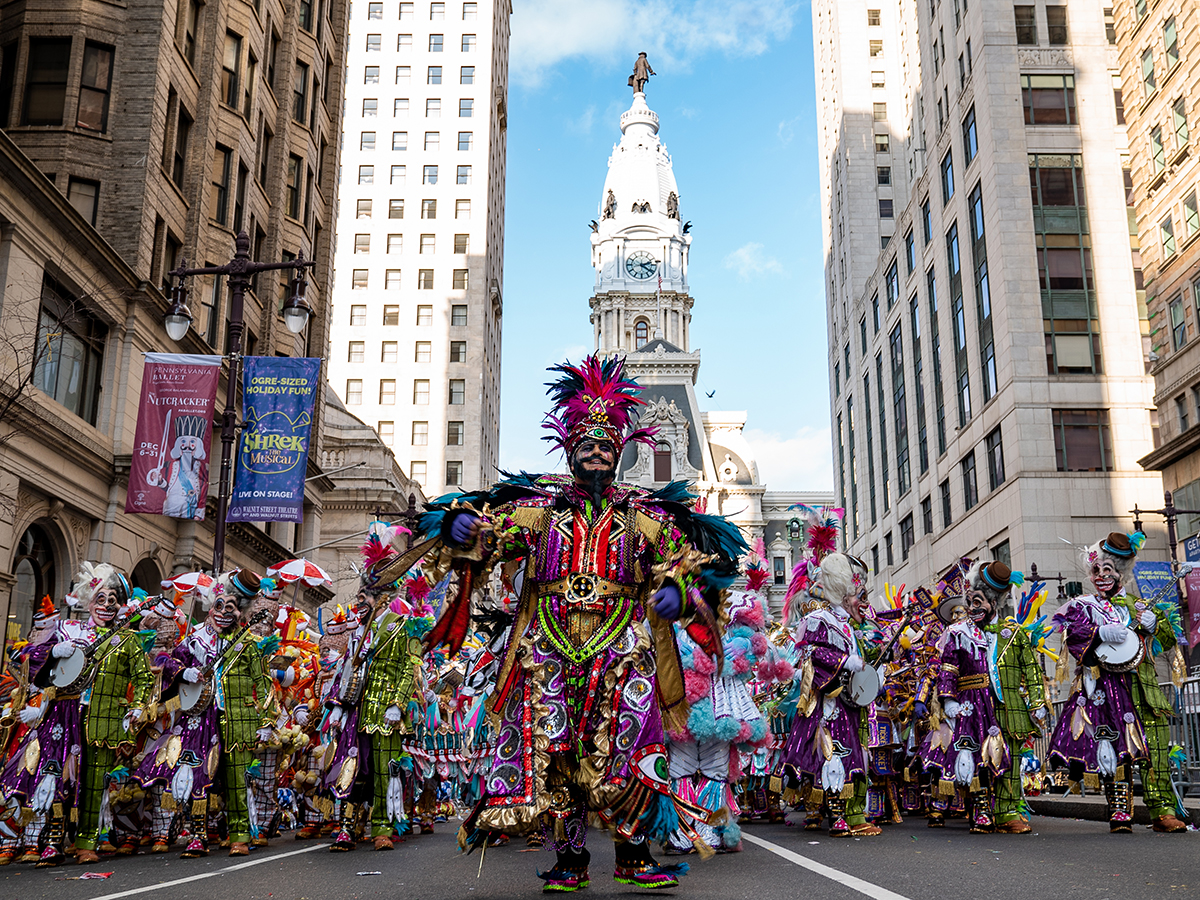
Since they were disguised, mummers took on a mischievous role, getting away with things they couldn’t while unmasked. This, of course, caused great consternation with the church. Henry V went so far as to threaten potential mummers with imprisonment in 1418. But the practice of mumming survived and even today, we see Mummers in our great city of Philadelphia.

The phrase “mum’s the word,” as it’s used now didn’t come into play until the 1700s, though a notable variant can be found in Shakespeare’s Henry VI, Part 2, written in 1592. The line is, “Seal up your lips and give no words but mum.” Shakespeare didn’t mention the flamboyant costumes and dances…
Want the Regimental Brewmeister at your Site or Event?
 Michael Carver -- Historical Interpreter/Reenactor