
The shift from superstition to scientific study of meteorology began when proper measuring instruments became available in the mid-17th century. By the early 18th century, Daniel Fahrenheit produced accurate mercury thermometers calibrated to a standard scale that ranged from 32 to 96 degrees (i.e., from the melting point of ice to body temperature). Early work …
Author Archives: Michael Carver
Colonial Spymaster (#3) — Ottendorf or Book Cypher
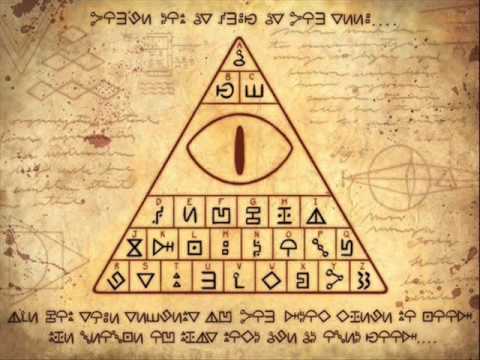
The Ottendorf Cypher, or Book Cypher, is a cyphertext is made up of numbers in groups of 3, and these numbers correspond to positions in a book (or other type of text). Most often the numbers refer to Line, Word, and Letter. To encode a message, the encoder needs only to find the word at …
Continue reading “Colonial Spymaster (#3) — Ottendorf or Book Cypher”
Colonial Spymaster (#2) — Caesar Cypher
The Caesar cypher is one of the earliest known and simplest cyphers. It is a type of substitution cipher in which each letter in the plaintext is ‘shifted’ a certain number of places down the alphabet. For example, with a shift of 1, A would be replaced by B, B would become C, and so …
Why I March with the Color Guard

“THESE are the times that try men’s souls. The summer soldier and the sunshine patriot will, in this crisis, shrink from the service of their country; but he that stands it now, deserves the love and thanks of man and woman….” Thomas Paine, The Crisis (19 December 1776) So, I just had a stupid argument …
Colonial Spymaster (#1) — Codes and Cyphers in the Continental Army
Going into the Revolution, Americans were at a huge disadvantage to the European powers when it came to cryptography, many of which had been using secret offices where sensitive letters were opened and deciphered by public officials for centuries. It was not uncommon for the messages of Revolutionary leaders and American diplomats to be intercepted …
Continue reading “Colonial Spymaster (#1) — Codes and Cyphers in the Continental Army”
Proper Salutes in the British Army

In 1740, the “French salute”, or greeting another by kissing them on the cheek, started to become fashionable in London. With the Seven Years War (AKA French and Indian War), the “French salute” quickly became controversial, being called unEnglish. Encouraged instead was the “old English” way of “pulling off a Hat. For the British, removing your …
Historical Tidbits

When reenacting or acting as a historical interpreter, its good to have a few historical dates and stories to share. This series will publish a few. September 22, 1776 – Nathanial Hale is executed as a spy on Long Island without trial. “My only regret is that I have but one life to give to …
Historical Tidbits
When reenacting or acting as a historical interpreter, its good to have a few historical dates and stories to share. This series will publish a few. September 21, 1776 — Great Fire of New York erupted destroying 10 to 25 percent of buildings in the city. The British Army accused revolutionaries of deliberately setting the …
Is This the Way it Was Really Done? My Policies on Historical Accuracy.

Okay, we are not LARPing. I know there are some out there who are gung-ho for the fantasy or mythical reality of the American Revolution but we are trying to teach history so historical accuracy is a must. At my events, I strive to be as accurate as possible with the following caveats: When being …
Continue reading “Is This the Way it Was Really Done? My Policies on Historical Accuracy.”
Historical Tidbits
When reenacting or acting as a historical interpreter, its good to have a few historical dates and stories to share. This series will publish a few. September 20, 1777 Massacre at Paoli On the evening of September 20, 1777, near Paoli, Pennsylvania, General Charles Grey and nearly 5,000 British soldiers launch a surprise attack …

