

When reenacting or acting as a historical interpreter, its good to have a few historical dates and stories to share. This series will publish a few. January 6, 1777 1st Encampment at Morristown Remnants of the American forces (2,000 – 4,000 troops) after the battles of Trenton and Princeton are billeted in homes and structures …
Author Archives: Michael Carver
Are you a Yankee Doodle Dandy?

We all know the song … “Yankee Doodle went to town.” They teach it to our children. Well, thankfully not! The British sang Yankee Doodle to berate the Americans during the Revolutionary War. It not the nice little dittle we all sang as kids, when you get to the later verses, it quite profane. A …
Historical Tidbits
When reenacting or acting as a historical interpreter, its good to have a few historical dates and stories to share. This series will publish a few. January 5, 1777 Battle of Princeton Preparing to crush Washington’s Army at Assunpink Creek, Cornwallis ordered reinforcements brought down to his position at Trenton. This left only a small …
“Beer” Recipe: Battle of the Bees Mead

Bees played a small role in the Revolutionary War on two notable occasions. The first is “The Battle of the Bees” that occurred Oct. 3, 1780 at McIntyre’s Farm, in Mecklenburg County, North Carolina. Loyalists, led by Capt. John Doyle, were traveling down Beattie’s Ford Road with 60 wagons. Their mission: to plunder area farms …
Historical Tidbits
When reenacting or acting as a historical interpreter, its good to have a few historical dates and stories to share. This series will publish a few. January 1, 1776 Norfolk burnt Four British warships in the Elizabeth River opened fire on Norfolk, Virginia. This was not a retaliation by the British or even part …
Historical Tidbits
When reenacting or acting as a historical interpreter, its good to have a few historical dates and stories to share. This series will publish a few. December 31, 1775 — Patriot forces under Colonel Benedict Arnold and General Richard Montgomery attempted to capture the British-occupied city of Quebec and with it win support for the …
Historical Tidbits
When reenacting or acting as a historical interpreter, its good to have a few historical dates and stories to share. This series will publish a few. December 26, 1776 – 2400 Continental Soldiers, having crossed the Delaware the night before, marched to Trenton and engaged 1400 Hessian soldiers under the command of Col Johann Rhall. …
SinterKlaas
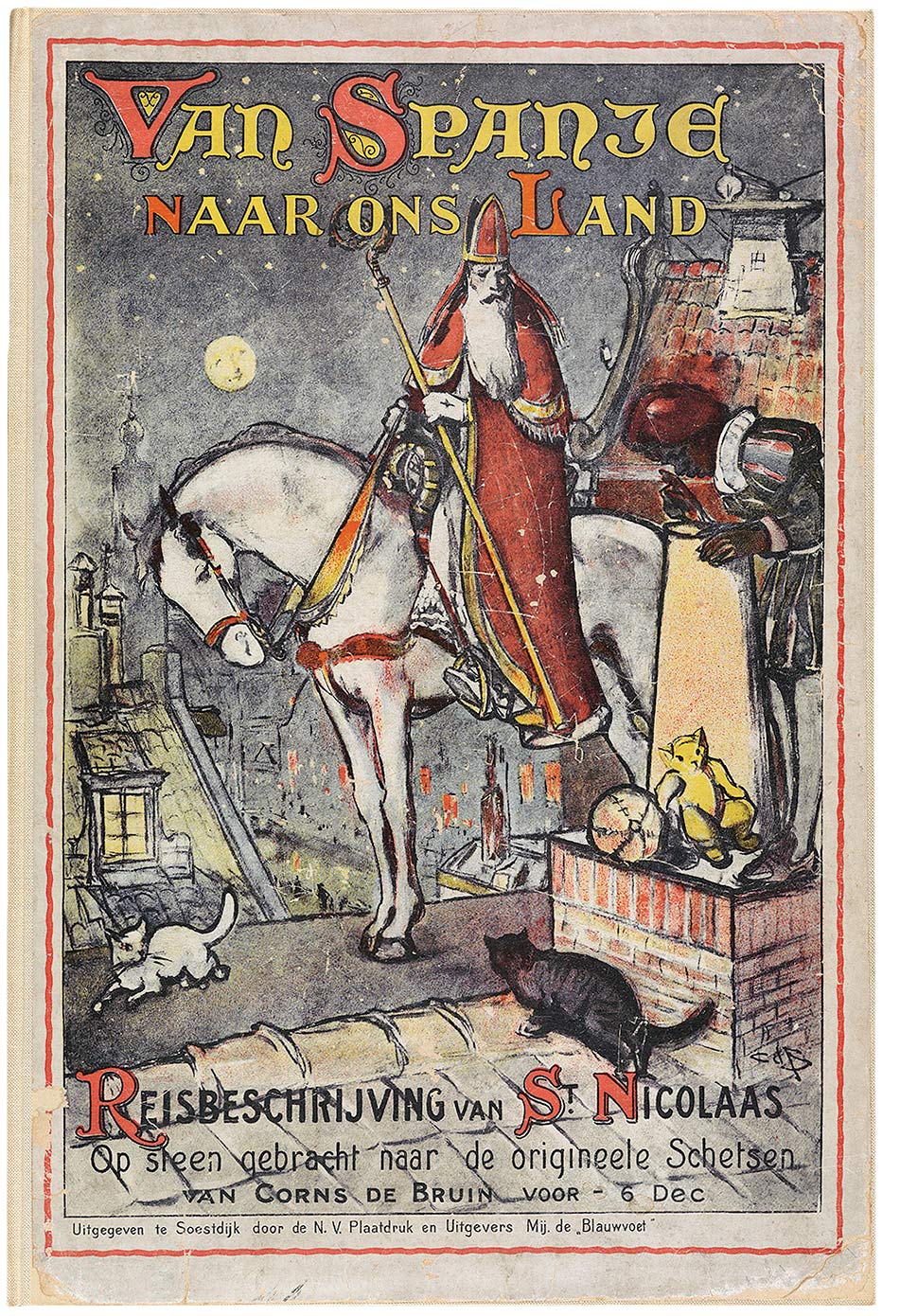
During the American War of Independence, the inhabitants of New York City, formerly New Amsterdam), celebrated the tradition of Sinterklaas as symbol of the city’s non-English past. In the 1770s the New York Gazetteer noted that the feast day of “St. a Claus” was celebrated “by the descendants of the ancient Dutch families, with their usual festivities.” Sinterklaas is …
Apple Jack
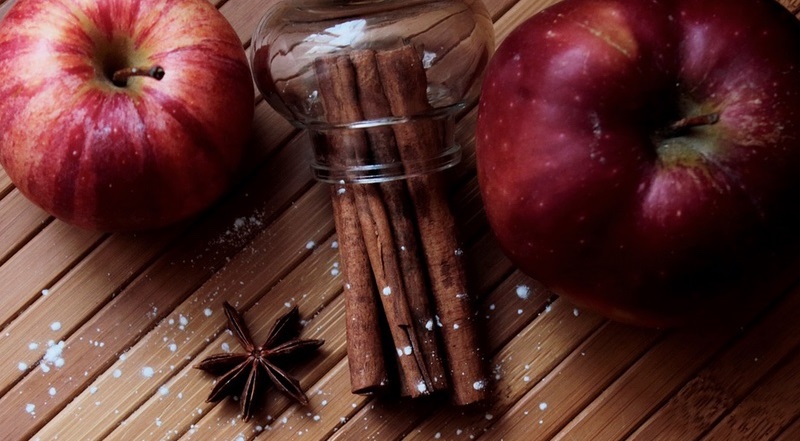
Applejack is a uniquely American type of apple brandy which was widely produced during the 1700’s in North America. It was made by placing hard cider in wooden barrels and exposing them to freezing temperatures during winter. The water in the hard cider froze in the top of the barrel and could easily be removed. …
Historical Tidbits
When reenacting or acting as a historical interpreter, its good to have a few historical dates and stories to share. This series will publish a few. December 19, 1732 – Benjamin Franklin first published Poor Richard’s Almanac.
 Michael Carver -- Historical Interpreter/Reenactor