
The shift from superstition to scientific study of meteorology began when proper measuring instruments became available in the mid-17th century. By the early 18th century, Daniel Fahrenheit produced accurate mercury thermometers calibrated to a standard scale that ranged from 32 to 96 degrees (i.e., from the melting point of ice to body temperature). Early work …
Category Archives: Ideas
Historical Tidbits

When reenacting or acting as a historical interpreter, its good to have a few historical dates and stories to share. This series will publish a few. September 25, 1789 Bill of Rights On September 25, 1789, the first Congress of the United States adopted 12 amendments to the U.S. Constitution–the Bill of Rights–and sent them …
Historical Tidbits — ANTIFEDERALIST papers
When reenacting or acting as a historical interpreter, its good to have a few historical dates and stories to share. This series will publish a few. September 25, 1787 – a first of a series of fifteen essays arguing AGAINST the formation of a new US Constitution were published. The authors of these ANTIFEDERALIST papers …
Continue reading “Historical Tidbits — ANTIFEDERALIST papers”
Colonial Spymaster (#2) — Caesar Cypher
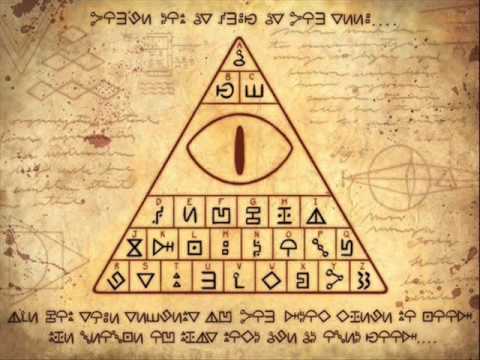
The Caesar cypher is one of the earliest known and simplest cyphers. It is a type of substitution cipher in which each letter in the plaintext is ‘shifted’ a certain number of places down the alphabet. For example, with a shift of 1, A would be replaced by B, B would become C, and so …
Historical Tidbits — HMS Serapis captured by John Paul Jones
When reenacting or acting as a historical interpreter, its good to have a few historical dates and stories to share. This series will publish a few. September 23, 1779 HMS Serapis captured by John Paul Jones On September 23, the Bonhomme Richard engaged the Serapis and the smaller Countess of Scarborough, which were escorting the …
Continue reading “Historical Tidbits — HMS Serapis captured by John Paul Jones”
Colonial Spymaster (#1) — Codes and Cyphers in the Continental Army
Going into the Revolution, Americans were at a huge disadvantage to the European powers when it came to cryptography, many of which had been using secret offices where sensitive letters were opened and deciphered by public officials for centuries. It was not uncommon for the messages of Revolutionary leaders and American diplomats to be intercepted …
Continue reading “Colonial Spymaster (#1) — Codes and Cyphers in the Continental Army”
Historical Tidbits — Nathanial Hale is executed as a spy
When reenacting or acting as a historical interpreter, its good to have a few historical dates and stories to share. This series will publish a few. September 22, 1776 – Nathanial Hale is executed as a spy on Long Island without trial. “My only regret is that I have but one life to give to …
Continue reading “Historical Tidbits — Nathanial Hale is executed as a spy”
Historical Tidbits — Great Fire of New York
When reenacting or acting as a historical interpreter, its good to have a few historical dates and stories to share. This series will publish a few. September 21, 1776 — Great Fire of New York erupted destroying 10 to 25 percent of buildings in the city. The British Army accused revolutionaries of deliberately setting the …
Continue reading “Historical Tidbits — Great Fire of New York”
Joseph Priestley Invented Timeline Charts in 1765
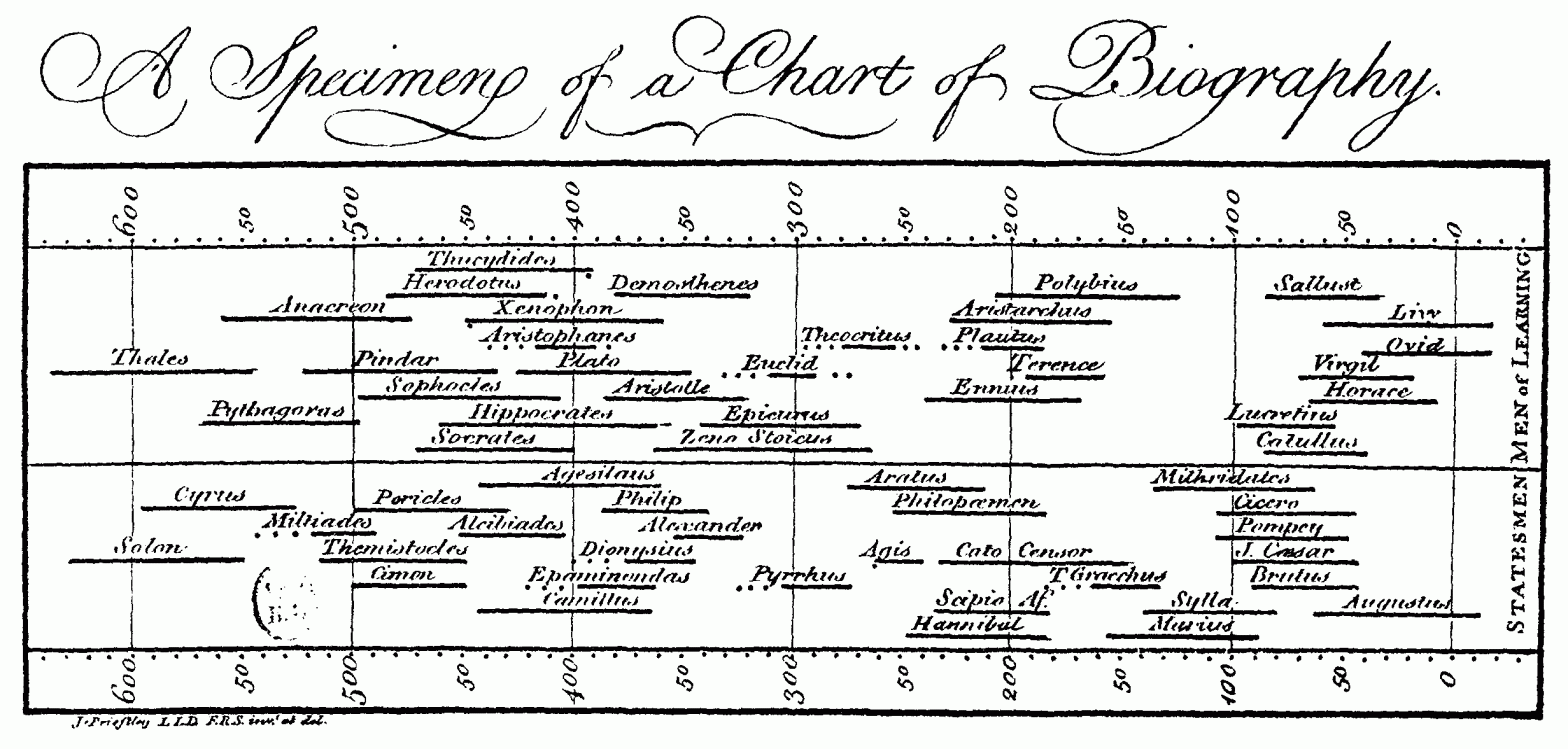
Joseph Priestley, as you will no doubt remember, was a theologian, and a chemist best known for his pioneering work isolating elements such as oxygen. Chemist are accustomed to working with things you cannot readily see (atoms and molecules, energy, electron states, etc.). It was only natural that when Priestly was teaching history at the …
Continue reading “Joseph Priestley Invented Timeline Charts in 1765”
William Playfair Changed the Way We Look at Facts and Figures in 1786
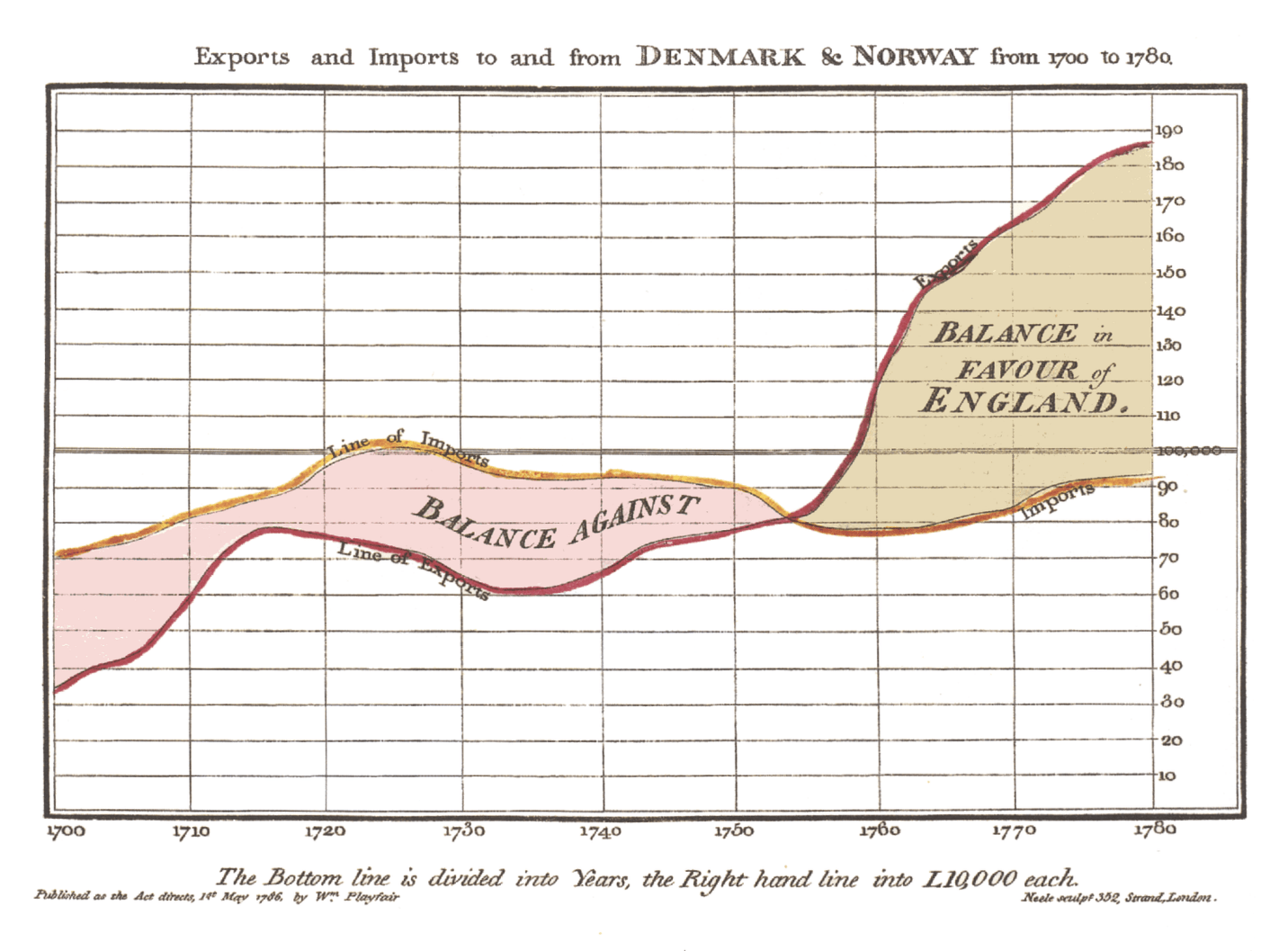
The bar chart, the pie chart, and the line graph were invented by a man who was, himself, something of a statistical outlier. William Playfair was a boundary-thwarting, Enlightenment-era, near-criminal rascal and 18th century academics actually looked down their noses at anything that resembled a picture arguing that “Readers were accustomed to persuasion by rhetorical …
Continue reading “William Playfair Changed the Way We Look at Facts and Figures in 1786”
 Michael Carver -- Historical Interpreter/Reenactor