
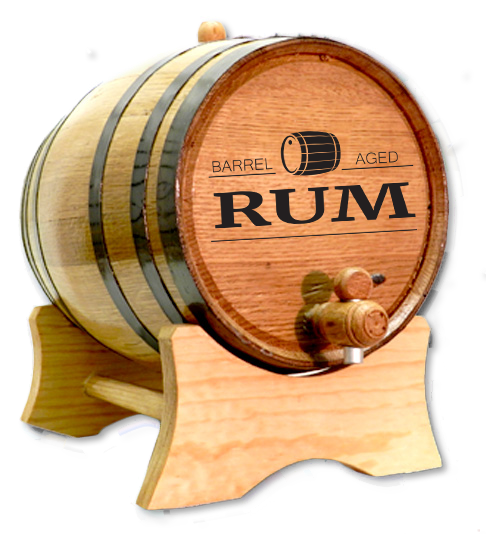
Rum’s origin lies in the 17th century Caribbean Islands. The first distillation of rum took place on the sugarcane plantations, located on the island of Barbados. Slaves from the plantations discovered that by fermenting molasses, a byproduct of refining sugarcane, they could create alcohol. Then by distilling this alcoholic drink, they could create a concentrated …
Category Archives: Ideas
Basic Colonial Brewing #17 — Make an 18th Century Toast
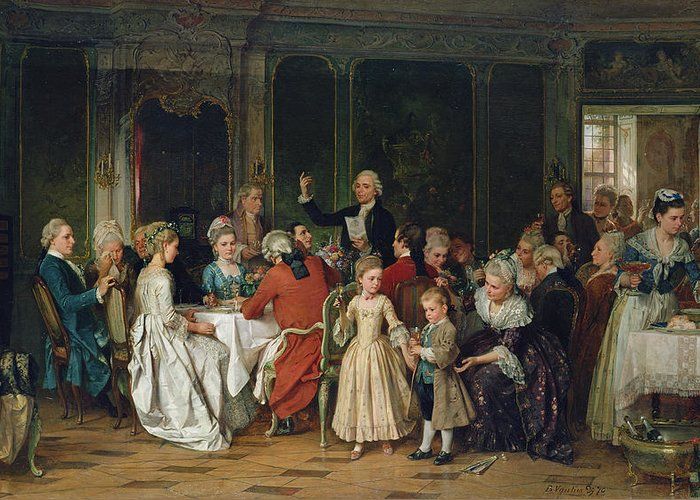
“To drink at a table without drinking to the health of someone special, should be considered drinking on the sly, and as an act of incivility.” Throughout history, toasting began after a meal and could last for hours. Toasts would solidify the bonds of groups, not only through the competitive element of drinking, but by …
Continue reading “Basic Colonial Brewing #17 — Make an 18th Century Toast”
A New Name for the New Nation

On September 9, 1776, the Second Continental Congress formally renamed our nation the United States of America. This replaced the term United Colonies, which had been in general use. In a declaration dated September 9, 1776, the delegates wrote: “That in all continental commissions, and other instruments, where, heretofore, the words ‘United Colonies’ have been used, the …
Historical Tidbits — Battle of Eutaw

When reenacting or acting as a historical interpreter, its good to have a few historical dates and stories to share. This series will publish a few. September 8, 1780 Battle of Eutaw After receiving reinforcements, Major General Nathanael Greene of the Continental Army resumes offensive action against Lieutenant Colonel Alexander Stewart and the British soldiers …
“Run Away!” – Revolutionary Deserters

One of the fundamental problems with the Continental Army was that the State Legislatures were reluctant to establish a European-style professional army with long-term enlistments for fear of a strong military leader seizing the government. Without a professional attitude, soldiers were much more likely to be casual about remaining in ranks for the full term …
Historical Tidbits — New London Burnt
When reenacting or acting as a historical interpreter, its good to have a few historical dates and stories to share. This series will publish a few. September 6, 1780 New London Burnt and Fort Griswold taken In September 1781, one of the British Army’s newest generals — Benedict Arnold — was eager to prove himself …
Historical Tidbits — Grey’s Raid
When reenacting or acting as a historical interpreter, its good to have a few historical dates and stories to share. This series will publish a few. September 5, 1778 Grey’s Raid — British incursion into New Bedford and Fair Haven As part of British operations in the American Revolutionary War, Major General Charles Grey raided …
I have Begun Planning for 2024

Hire the Regimental Brewmeister It’s reached that time of the year where I start planning for 2024 and I am hoping to include you in the mix of organizations I support next year. I am emailing you today in the hopes that you will consider inviting either the Regimental Brewmeister or the Colonial Surveyor to …
Historical Tidbits — DeGrasse enters the Chesapeake
When reenacting or acting as a historical interpreter, its good to have a few historical dates and stories to share. This series will publish a few. September 5, 1781 DeGrasse enters the Chesapeake with the French Fleet When Adm. François-Joseph-Paul, comte de Grasse, arrived in the West Indies from France in April 1781, he had …
Continue reading “Historical Tidbits — DeGrasse enters the Chesapeake”
Historical Tidbits — 1st Continental Congress
When reenacting or acting as a historical interpreter, its good to have a few historical dates and stories to share. This series will publish a few. September 4, 1774 1st Continental Congress The First Continental Congress, which was comprised of delegates from the colonies, met at Carpenters Hall in Philadelphia in 1774 to devise an …
Continue reading “Historical Tidbits — 1st Continental Congress”
 Michael Carver -- Historical Interpreter/Reenactor