Colonial Spymaster (#4) — Polybius Cypher

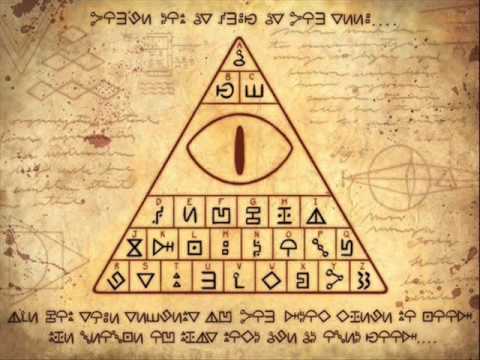
The Polybius checkerboard, is a device invented by the ancient Greeks Cleoxenus and Democleitus, and made famous by the historian and scholar Polybius, a Greek historian noted for his work The Histories, which covered the period of 264–146 BCE.  Polybius was well known to the Founding Fathers of the United States and was influential on …

Early Meteorology — Predicting the Weather 18th Century Style: scientific beginnings in England

The shift from superstition to scientific study of meteorology began when proper measuring instruments became available in the mid-17th century. By the early 18th century, Daniel Fahrenheit produced accurate mercury thermometers calibrated to a standard scale that ranged from 32 to 96 degrees (i.e., from the melting point of ice to body temperature).  Early work …

Colonial Spymaster (#3) — Ottendorf or Book Cypher

The Ottendorf Cypher, or Book Cypher, is a cyphertext is made up of numbers in groups of 3, and these numbers correspond to positions in a book (or other type of text).  Most often the numbers refer to Line, Word, and Letter.  To encode a message, the encoder needs only to find the word at …

Colonial Spymaster (#1) — Codes and Cyphers in the Continental Army

Going into the Revolution, Americans were at a huge disadvantage to the European powers when it came to cryptography, many of which had been using secret offices where sensitive letters were opened and deciphered by public officials for centuries. It was not uncommon for the messages of Revolutionary leaders and American diplomats to be intercepted …

Proper Salutes in the British Army

In 1740, the “French salute”, or greeting another by kissing them on the cheek, started to become fashionable in London.  With the Seven Years War (AKA French and Indian War), the “French salute” quickly became controversial, being called unEnglish. Encouraged instead was the “old English” way of “pulling off a Hat. For the British, removing your …