
There remains a stubborn perception that somehow Noah Webster wrote the first American dictionary. This is actually not true. There were many dictionaries written in the 18th Century and the premier edition was written by Samuel Johnson. In June 1746, Samuel Johnson signed the contract with a group of booksellers in London to write A …
Category Archives: Ideas
Benedict Arnold was not Alone in his Treason

Colonel Rudolphus Ritzema was an American officer in the New York Line during the American Revolutionary War, and later changed sides, serving as a lieutenant colonel in a British regiment. On June 30, 1775, Ritzema was appointed lieutenant colonel of the 1st New York Regiment. In July he seized British armaments in New York City. On November 28, 1775 he was …
Continue reading “Benedict Arnold was not Alone in his Treason”
Historical Tidbits — Indemnity Act

When reenacting or acting as a historical interpreter, its good to have a few historical dates and stories to share. This series will publish a few. June 29, 1767 The Indemnity Act –reduced taxes on the British East India Company when they imported tea into England. This allowed them to re-export the tea to the colonies more …
Spruce was NEVER a Substitute for Hops
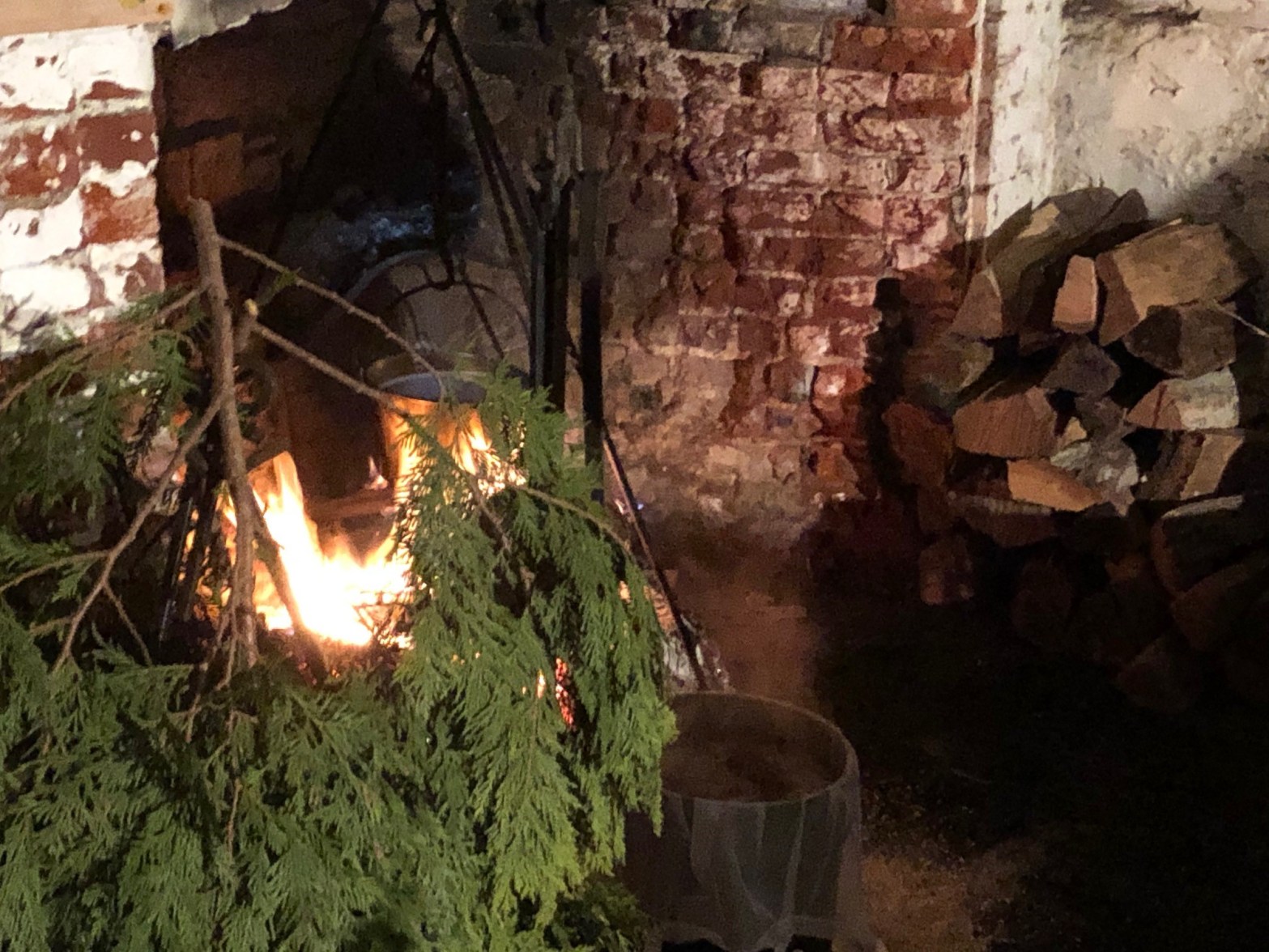
There is a persistent myth that Spruce was added to beer in lieu of hops. Let me set the record straight, Spruce Beer is NOT Gruit! Gruit ale is an herbed beer, originating in the Low Countries (Netherlands, Flanders, and Rhineland Germany) and common in the 10th to 15th centuries. It was largely displaced by …
Historical Tidbits — Attack on Sullivan’s Island
When reenacting or acting as a historical interpreter, its good to have a few historical dates and stories to share. This series will publish a few. June 28, 1776 Attack on Sullivan’s Island In early 1776, the British organized an expedition for operations in the southern colonies. Delayed by logistical concerns and bad weather, the …
Continue reading “Historical Tidbits — Attack on Sullivan’s Island”
Spy vs Spy: George Washington’s and King George’s Spies (#18)
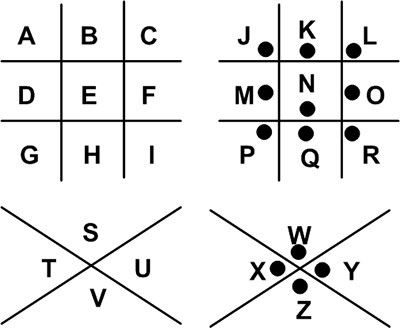
The Other Spy Ring — Mersereau Ring Because of the AMC Series TURN, everybody knows about the Culper Ring but there was another spy ring operating in New York at the same time — The Mersereau Ring. Like the Culper Ring, the Mersereau Ring operated throughout the New Brunswick and New York regions that gathered …
Continue reading “Spy vs Spy: George Washington’s and King George’s Spies (#18)”
Historical Tidbits — Molly Pitcher
When reenacting or acting as a historical interpreter, its good to have a few historical dates and stories to share. This series will publish a few. June 28, 1778 Molly Pitcher “Molly Pitcher” was not a single historical figure, but a composite folk hero inspired by the actions of different people, most of them women …
Brewing Jargon of 18th Century
Its always frustrating to start a conversation and realize that the audience you are speaking to has no idea what the terms you are using mean. I assure you I have not relapsed into a more comfortable language (like Dutch or German) but am in fact speaking English when I give my beer talks. What …
Spy vs Spy: George Washington’s and King George’s Spies (#17)
“Q” — Benjamin Talmadge In the James Bond films, the spymaster is never known by their name, only their codename. In 1777, America’s master spy was Benjamin Talmadge. Major Benjamin Tallmadge was an American Continental Army officer who oversaw the Culper Spy Ring during the American Revolution. In November 1778, Gen. George Washington directed Tallmadge …
Continue reading “Spy vs Spy: George Washington’s and King George’s Spies (#17)”
Edmund Halley, the famous astronomer. also designed the world’s first diving bell

Although best known for his proof that comets follow regular orbits around the sun, Edmond Halley was also an inventor. Halley invented and tested one of the world’s first submersible. In this diving bell as many as four men could descend beneath the surface of water and spend hours observing life on the bottom or …
Continue reading “Edmund Halley, the famous astronomer. also designed the world’s first diving bell”

