Basic Colonial Brewing #18 — Proof your Whiskey, Sir

When it comes to arcane historical terms for spirits and other alcohol, proof is one of the frustrating ones.  In our modern vernacular, with the blessing of modern analytical chemistry as support, we simply think of “proof” as two times the alcohol by volume (ABV).  But why is this measure even a thing?  After all, …

Basic Colonial Brewing #17 — Make an 18th Century Toast

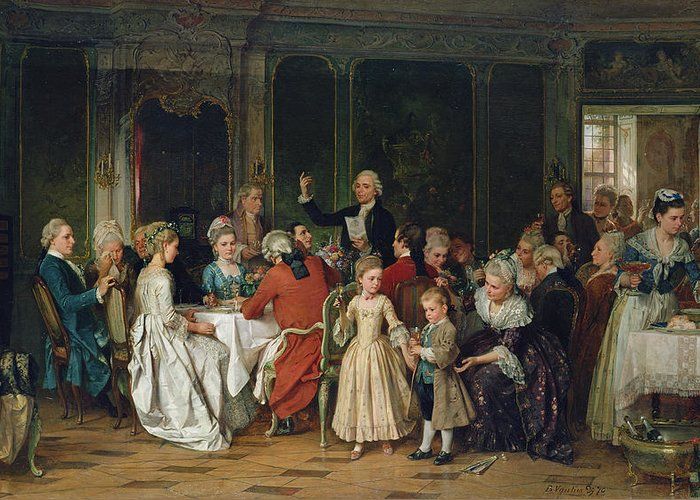
 “To drink at a table without drinking to the health of someone special, should be considered drinking on the sly, and as an act of incivility.” Throughout history, toasting began after a meal and could last for hours.  Toasts would solidify the bonds of groups, not only through the competitive element of drinking, but by …

Basic Colonial Brewing #16 — Making Sense of the Beer Menu

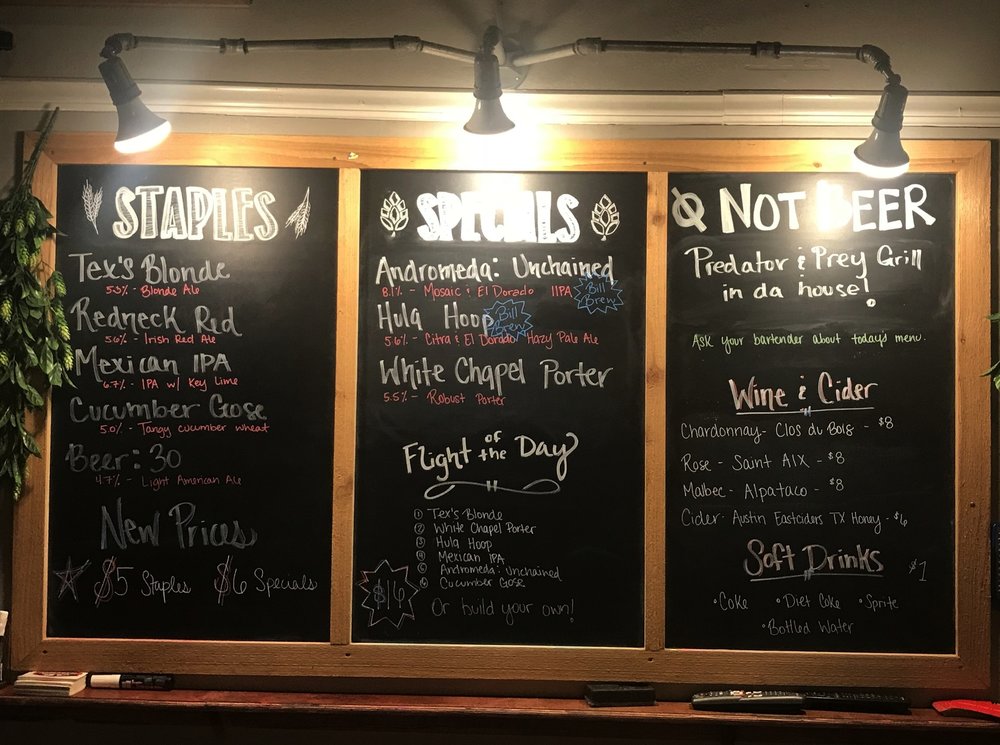
I am going to deviate from my normal focus on the 18th Century to discuss some brewing terminology that seems to be confusing people in craft brew pubs.  The other day, my wife and I visited a brewery and her questions about the beer menu prompted me to clarify some jargon that are too often …

Beer Recipe: Flippen Pompkin Ale

When the British imposed the Stamp Act of 1765, John Hancock helped lead the opposition in urging a boycott of British-made goods. Far from an act of patriotism, Hancock, a smuggler of tea, rum, and wine, used these boycotts earn obscene profits. But the boycotts did impact the Crown and eventually lead to the repeal …

Basic Colonial Brewing #15 — Necessary Anachronisms in Colonial Brewing

One question I frequently get asked at reenactments is “is that the really the way beer was made in the 1770’s?”  For the most part, the answer is “yes” but there are some very necessary exceptions.  Not all “Colonial Beers” are good and some of the methods used in the 18th Century were unsafe by …

Beer Recipe: Nightingale on a Stone Wall

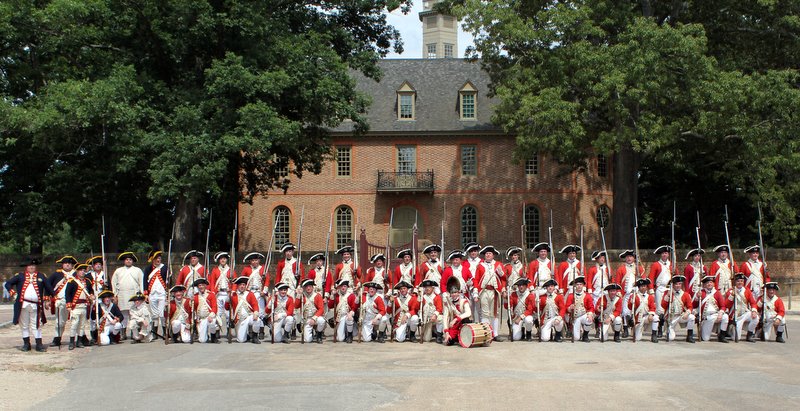
The British army punished its soldiers mercilessly. The purpose was to inspire terror by setting an example. Soldiers were frequently whipped leading to the derisive moniker “bloody backs” by which Redcoat soldiers were frequently known. The most common offence was drunkenness, which could merit 100 lashes. The sentence was carried out in front of the …

The Yeast Ring

This year, I am adding a somewhat archaic bit of brewing equipment to the gear brought out by the Regimental Brewmiester.  The yeast ring or gjarkrans is a piece of traditional brewing gear from medieval Sweden and Denmark.  This tool resembles a complicated wreath of small pieces of whittled wood.  Yeast harvested from one batch …

Beer Recipe: Common Sense Cherry Pils

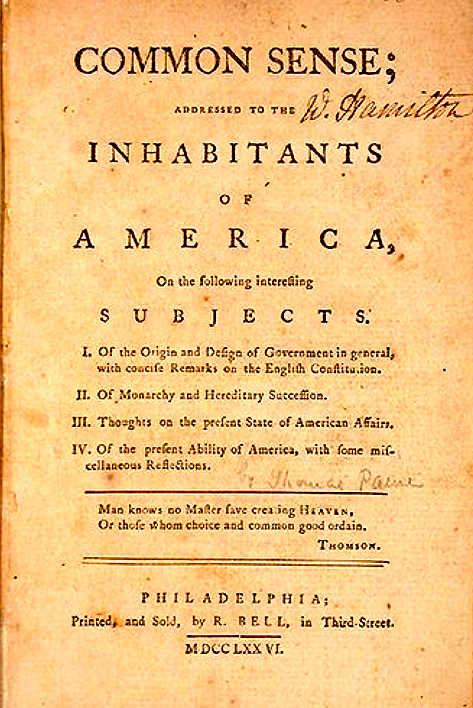
Although little used today, pamphlets were an important medium for the spread of ideas in the 16th through 19th centuries. Before the era of radio communication and television, when you wished to convey a message to a large audience, you published it. Originally published anonymously, “Common Sense” not only advocates independence but explains how the …

Basic Colonial Brewing #13 — Keeping Track of Time

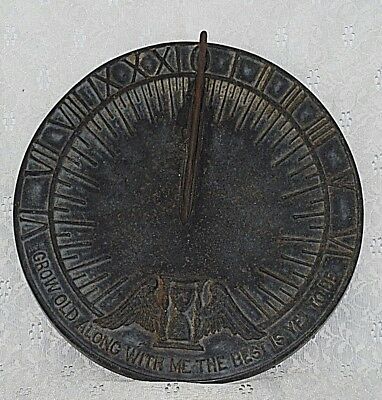
I have a pretty good internal clock but like all brewers, keeping track of time, especially when talking to the public can be a challenge. Boil and mash times are relatively long and it is easy to get distracted. It is, therefore, important to objectively measure not just experience and guess about time. Unfortunately, like …

Beer Recipe: Act of Parliament — Small Beer

In the days before proper sanitation, drinking water could be very dangerous. There are many waterborne parasites (like the amoebas that cause dysentery) and pathogens (like cholera) and as people formed settlements and cities, these diseases were easily spread. Fear of drinking the water was so strong that in 1620 when Puritan settlers arrived in …