
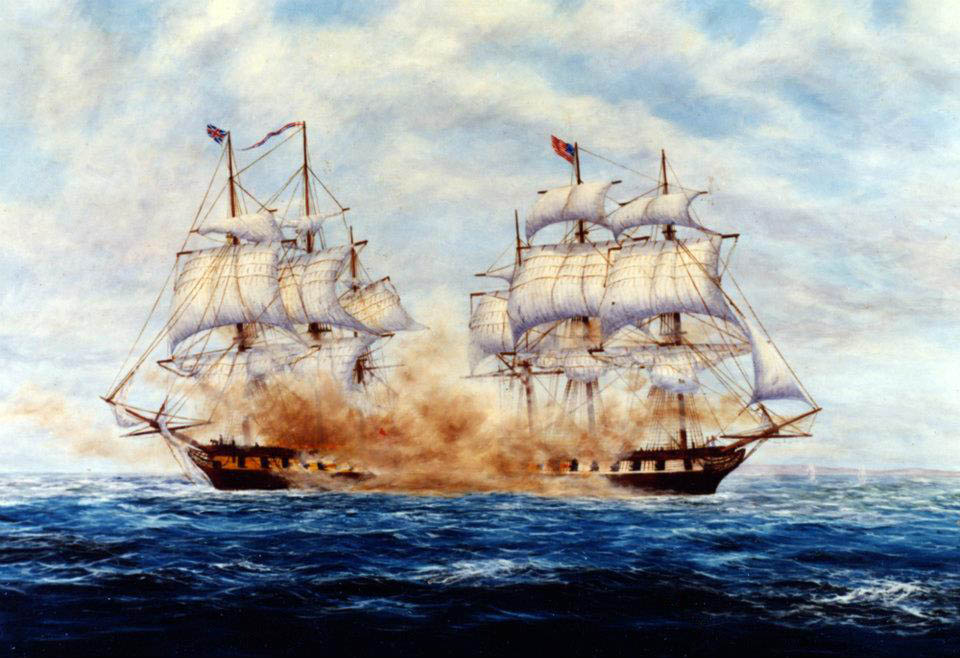
Bonhomme Richard was originally a merchant ship built at L’Orient for the French East India Company in 1765. Her design allowed her to be quickly transformed into a man-of-war in case of necessity to support the navy. She made two voyages to China, the first in 1766 and the second in 1769, was transferred briefly …
Tag Archives: Colonial Brewer
Basic Colonial Brewing #5 –Why use Copper?

Go to almost any brewery or distillery and you will see lots of gleaming copper. This is not some quaint historical holdover nor is it there for show. We use copper in brewing for real and practical purposes. The reasons for using copper were well understood by the Colonial Brewer but why it worked has …
Continue reading “Basic Colonial Brewing #5 –Why use Copper?”
Apple Jack
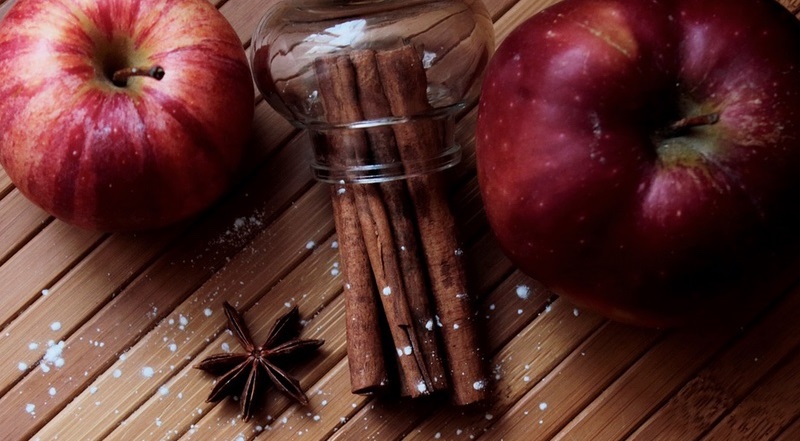
Applejack is a uniquely American type of apple brandy which was widely produced during the 1700’s in North America. It was made by placing hard cider in wooden barrels and exposing them to freezing temperatures during winter. The water in the hard cider froze in the top of the barrel and could easily be removed. …
Von Stueben Altbier
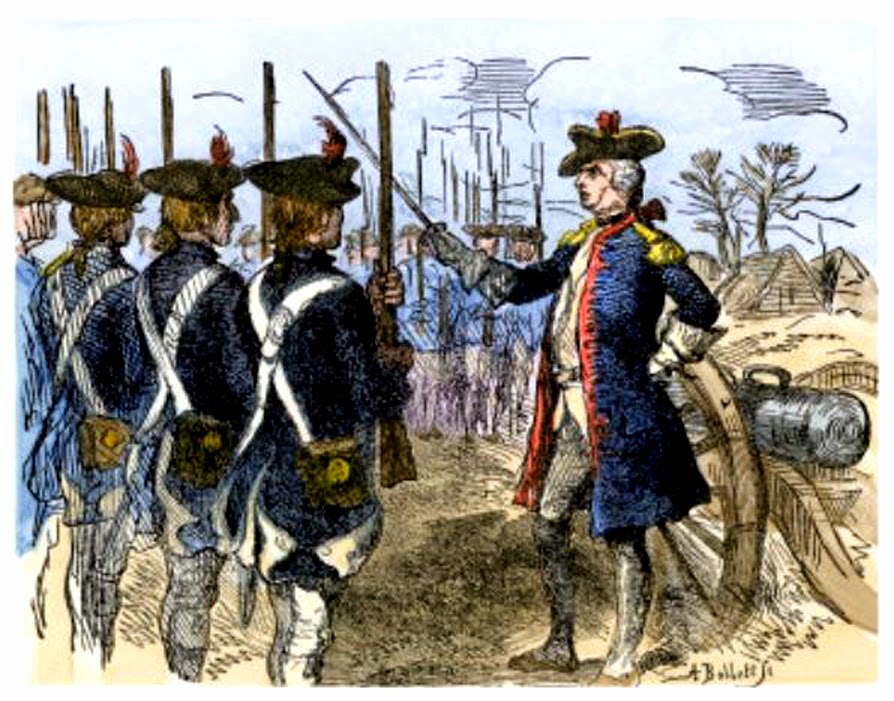
During the early American Revolutionary War, Continental Army lacked strong central command and was made up of state-run militias operating independently of each other. Each militia operated by its own rules and regulations and there was very little standardization or guidance for the duties and responsibilities of soldiers and officers. In 1777, Friedrich von Steuben …
“Beer” Recipe: Dutch East India Company Cider

The Vereenigde Oostindische Compagnie (VOC), better known as the Dutch East India Company was set up in 1602 and head-quartered in the Oost-Indisch Huis (East-India House) in downtown Amsterdam as an official colonial agency. The company was given massive financial backing and the legal power to wage war, create overseas settlements, and uphold its own …
Continue reading ““Beer” Recipe: Dutch East India Company Cider”
Punchbowl Junto
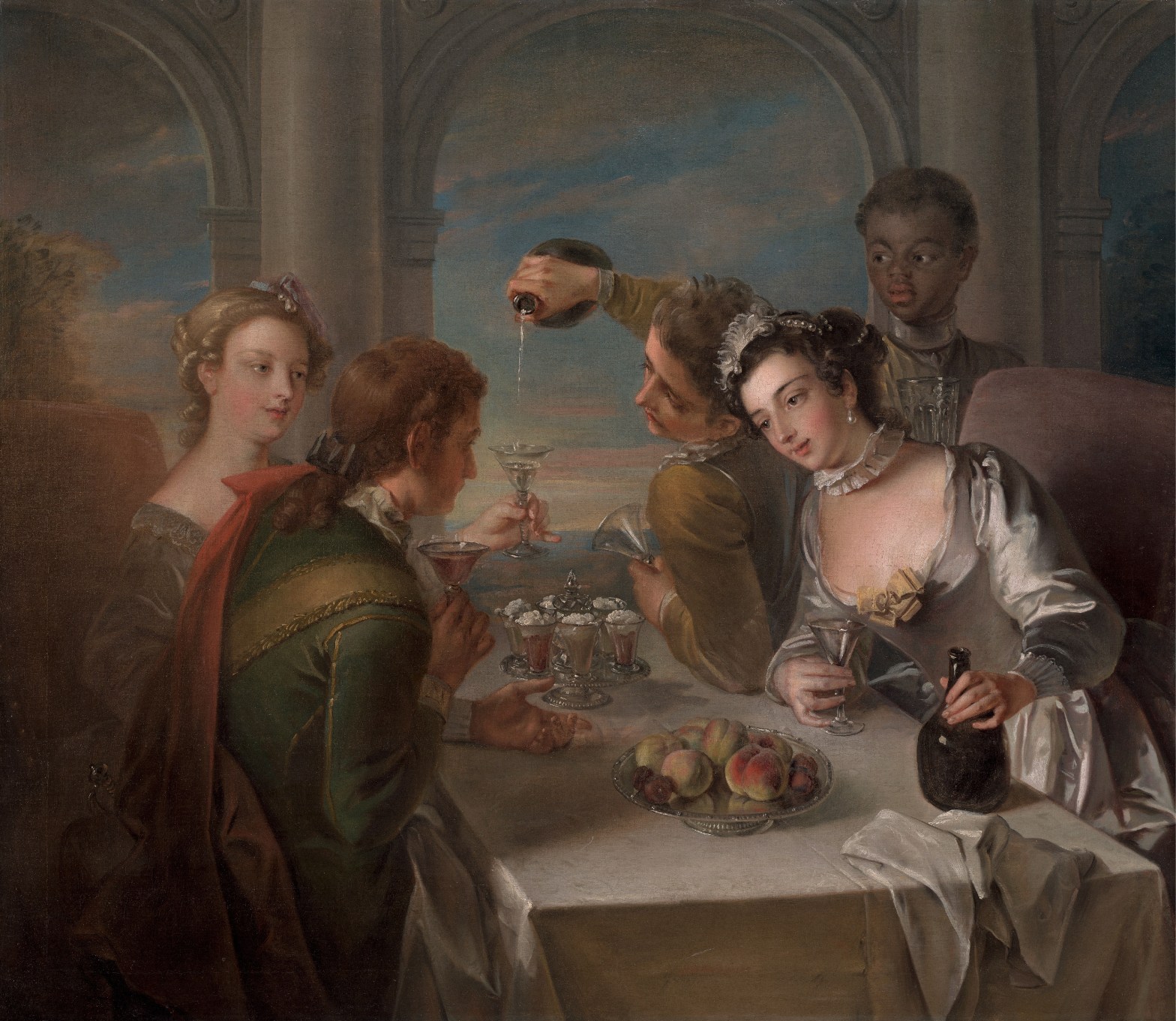
In 2020, I tried to start a Jeffersonian Dinner program at Fort Mifflin. We had one “Jeffersonian Picnic” but the stringencies of the COVID 19 pandemic prevented this program from really taking hold. This year (2025), I want to try to reboot this program with a slight simplification. I am working to launch a new …
Handbell Cocktails
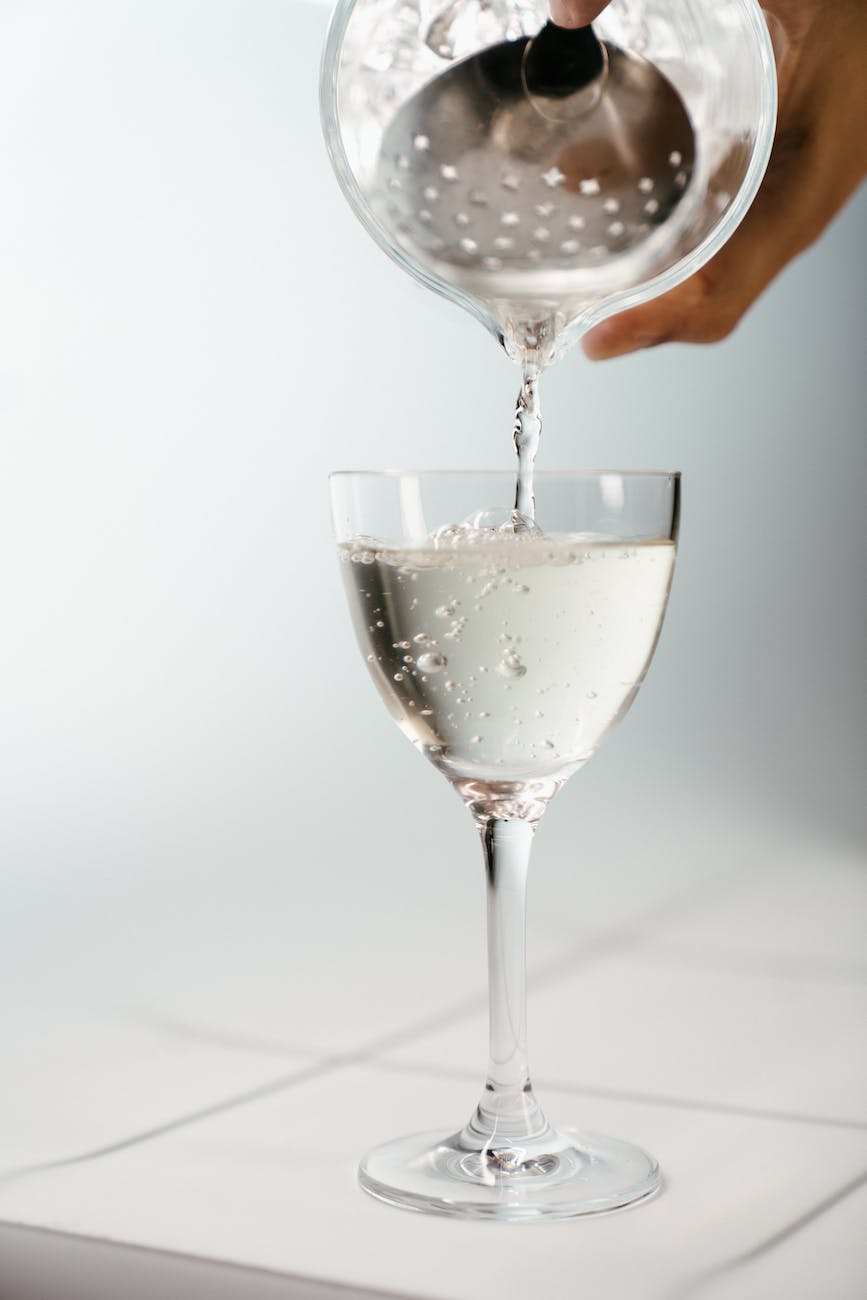
Well, I found this cool cocktail shaker. No, it’s not period correct but it’s cool. Looks like a bell. To that end, the Admiral of the Blue is adding the following “Bell Ringer” cocktails to our line-up for future Tavern Nights. You put your ice and spirits in the bell, assemble and ring the bell …
Benedict Arnold American Wild Ale

Do you consider Benedict Arnold a brilliant general or an evil traitor? Despite what you may have learned in school, the answer to this question is far from simple and highly political. Blessed with almost superhuman energy and endurance, handsome and charismatic, he was a successful apothecary and a seagoing merchant before the war. Unfortunately, …
Tom and Jerry?

So, I had this idea. I was going to add a third punch bowl to my tavern. I already have the two from David Wondrich which are very similar to those common in the late 18th and 19th Century. I wasn’t going to be picky; I just didn’t want to spend a huge sum of …
Beer Recipe — Privateer Abby Triple Ale
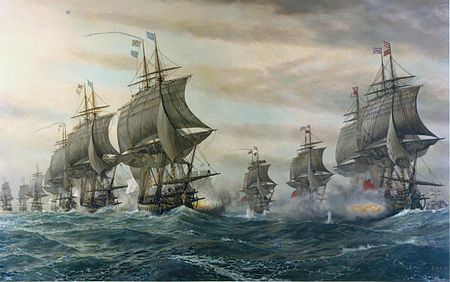
In the summer of 1775, George Washington and the fledgling Continental Army was unable to effectively lay siege to British-occupied Boston because the Royal Navy had a firm command of the sea-lanes and the harbor. All George Washington could do was observe the flow of enemy supplies into Boston harbor and wondered if intercepting a …
 Michael Carver -- Historical Interpreter/Reenactor