

When reenacting or acting as a historical interpreter, its good to have a few historical dates and stories to share. This series will publish a few. September 16, 1779 Failed Siege of Savannah The Siege of Savannah was also known as the Second Battle of Savannah. The year before, the city had been captured by …
Monthly Archives: September 2022
Early Meteorology — Predicting the Weather 18th Century Style: old wives tales and superstitions
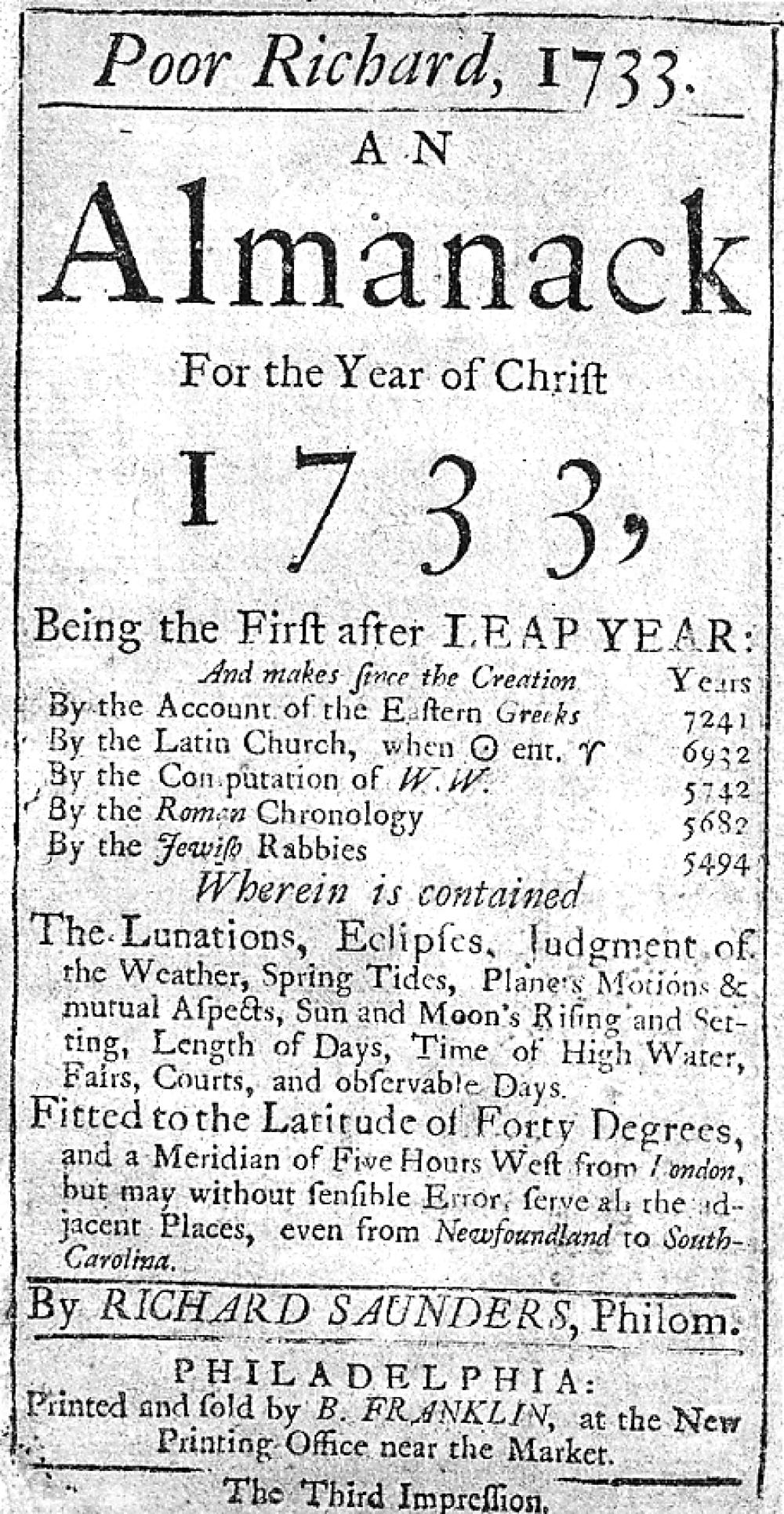
In the 18th century, families relied on almanacs to help them make many weather and seasonal decisions, such as when they should plant their crops or travel. However, almanacs only gave a long-term idea of what the weather might be based on weather in the past. Furthermore, in an age where all travel, especially by …
Blowing Smoke Up Someone’s Arse‡
Maybe I’m just having a bad day but after several government meetings, the term “Blowing smoke up someone’s ass” has been used way too much. Just to set the record straight, this was not always a simple figure of speech indicating someone was being an insincere flatterer. Tobacco smoke enemas became a mainstream medical practice …
“And the Rockets’ Red Glare” – Rockets were originally used AGAINST the British in the 18th Century!

Missiles and missile rocket technology is a mainstay in the modern military. In fact, most modern fighter aircraft have dispensed entirely with guns and typically are armed with various offensive and defensive rocket powered munitions. While we are all familiar with the Chinese invention of fireworks, it was actually the INDIANS who turned these interesting …
Historical Tidbits
When reenacting or acting as a historical interpreter, its good to have a few historical dates and stories to share. This series will publish a few. September 13, 1759 — Battle of Quebec, also called Battle of the Plains of Abraham, was decisive defeat of the French commanded by Marquis de Montcalm by a British …
Historical Tidbits
When reenacting or acting as a historical interpreter, its good to have a few historical dates and stories to share. This series will publish a few. September 13, 1788 – The US Congress chooses New York City as the Federal Capital under the new US Constitution. Through the American Revolution the Continental Congress met in …
Fort Mifflin will have a Newspaper at Siege Weekend
This year for Cannonball Tavern I made up a period newspaper with news as it would have been published in March of 1777. I plan to produce souvenir newspapers this year Siege Weekend. The news will be reproduced for the time period (October 1777) as will most of the ads but if you want to …
Continue reading “Fort Mifflin will have a Newspaper at Siege Weekend”
Basic Colonial Brewing #17 — Make an 18th Century Toast
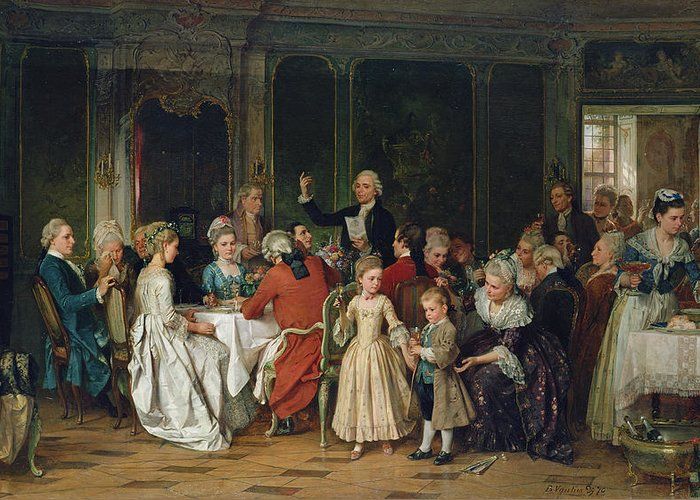
“To drink at a table without drinking to the health of someone special, should be considered drinking on the sly, and as an act of incivility.” Throughout history, toasting began after a meal and could last for hours. Toasts would solidify the bonds of groups, not only through the competitive element of drinking, but by …
Continue reading “Basic Colonial Brewing #17 — Make an 18th Century Toast”
INVASION!

Well, yesterday at Chadds Ford, I was asked “How come we never see you in red?” Perhaps we should address that. The Regimental Brewmeister is less active as a soldier of His Majesty’s Army that in years gone by. Part of that is my focus on keeping the Army supplies with Spruce Beer and part …
Camp Hill and Fort Washington, PA

Following the September 11, 1777 Battle of Brandywine, the British Army occupied Philadelphia. Camp Hill was one of three adjacent hills outside the city held by General George Washington and 11,000 Continental troops, beginning November 2, 1777. The others were Militia Hill, to the west, now part of Fort Washington State Park; and Fort Hill, …
 Michael Carver -- Historical Interpreter/Reenactor