Colonial Spymaster (#14) — Hidden Compartments

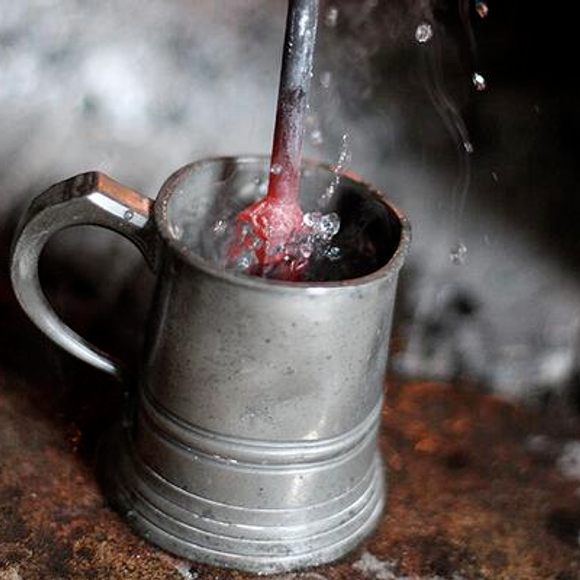
Spies sometimes need to transport things in secret through enemy territory. Simply refusing to comply with searches at border crossings or military checkpoints will immediately raise suspicion to they must find a way to allow themselves to be searched while keeping the messages or other contraband safe. To accomplish this, they often employ the smugglers’ …

Historical Tidbits

When reenacting or acting as a historical interpreter, its good to have a few historical dates and stories to share. This series will publish a few. October 6, 1777                Fort Montgomery and Fort Clinton taken On October 6, 1777, the British Army, led by Henry Clinton, attacked Forts Montgomery and Clinton, supported by cannon fire …

Colonial Spymaster (#15) — Exploiting Potential Turncoats

All spying tools and techniques have little worth unless you have a reliable source of information.  A great deal of useful information can be acquired passive observation.  Troop counts and movements, rumors, and observations of the comings and goings in the enemy camp can give you insights on what they plan to do but the …

October 1666, King Charles II Granted an Audience to Two Men Who Would Build a Huge Fur Trading Empire in North America and Eventually Lock England in a World War with France.

When Jacques Cartier sailed up the St. Lawrence River in 1535 in search of the Northwest Passage, he met 50 canoes filled with Micmac Indians, who signaled a desire to trade by waving furs on sticks. This began the very fruitful trade between Canada’s First Peoples and the Europeans, first the French and later the …

Thomas Jefferson was Obsessed with Getting a Moose Shipped to Europe

On May 17, 1785, Jefferson became the United States’ second-ever minister to France, succeeding the equally-famous Benjamin Franklin. As his nation’s top diplomat in Paris, he met many of France’s top leaders and thinkers, including Georges-Louis Leclerc, Comte de Buffon, a well-regarded naturalist. Buffon, like many European elites at the time, believed that Europe was …

Colonial Spymaster (#12) — Disguises

If you are routinely going places where the enemy discusses, either intentionally or unintendedly, matters of military or political significance, you may wish to remain anonymous.  To do this, spies employ disguises.  The most common disguise is to simply change your clothes.  Sometimes soldiers sent on reconnaissance missions would wear civilian clothes such as when …

Historical Tidbits

When reenacting or acting as a historical interpreter, its good to have a few historical dates and stories to share. This series will publish a few. October 4, 1777                Battle of Germantown After taking the American capital, British General Sir William Howe positioned two brigades and a contingent of Hessians troops in Germantown.   Much like …

Every Wonder Why We Call it a “Duffle” Bag?

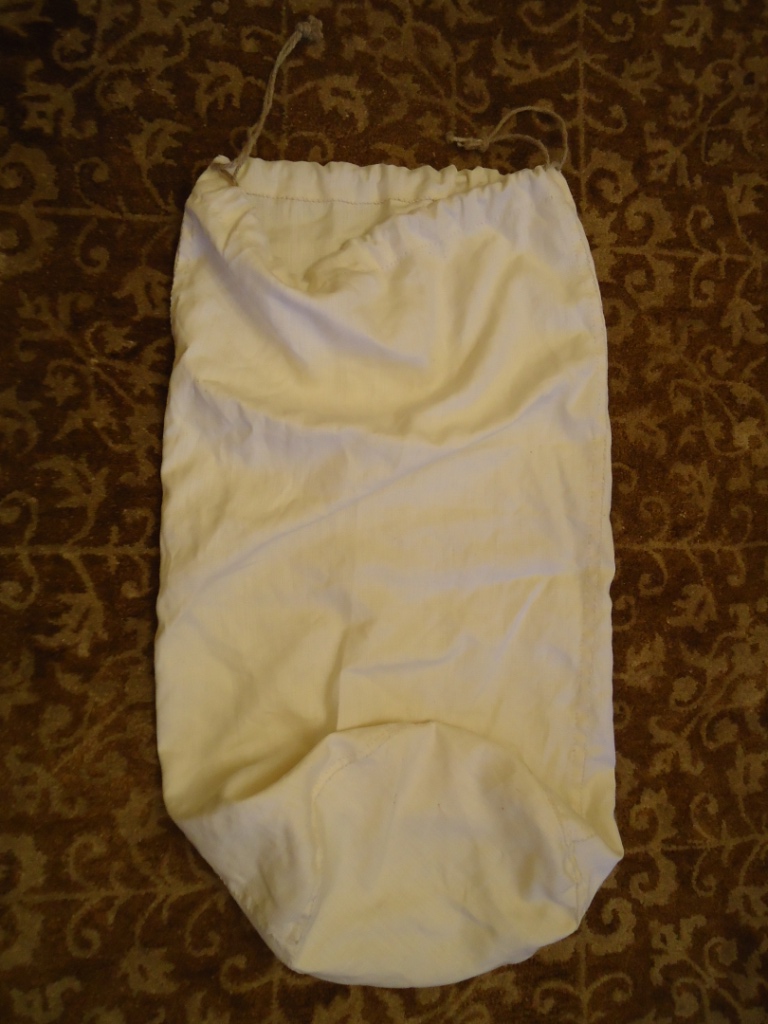
If you make your tent out of ordinary “canvas” you are going to get wet in the rain.  Canvas is a stout cloth, probably named after cannabis (Latin: “hemp”), made by tightly weaving material, mostly cotton, wool, and linen. This definition has not been that precise forever since the word canvas has come to signify …