

Following the September 11, 1777 Battle of Brandywine, the British Army occupied Philadelphia. Camp Hill was one of three adjacent hills outside the city held by General George Washington and 11,000 Continental troops, beginning November 2, 1777. The others were Militia Hill, to the west, now part of Fort Washington State Park; and Fort Hill, …
Monthly Archives: September 2023
Historical Tidbits — Battle of Brandywine

When reenacting or acting as a historical interpreter, its good to have a few historical dates and stories to share. This series will publish a few. September 11, 1777 Battle of Brandywine The eleventh of September was greeted with a heavy fog. Washington received reports of different contents about the movements of the British troops. …
Continue reading “Historical Tidbits — Battle of Brandywine”
Historical Tidbits — Annapolis Convention
When reenacting or acting as a historical interpreter, its good to have a few historical dates and stories to share. This series will publish a few. September 11, 1786 — Meeting of Commissioners to Remedy Defects of the Federal Government (AKA the Annapolis Convention) convened at Mann’s Tavern in Annapolis, Maryland. Twelve delegates from five …
Continue reading “Historical Tidbits — Annapolis Convention”
Historical Tidbits — BATTLE OF BRANDYWINE
When reenacting or acting as a historical interpreter, its good to have a few historical dates and stories to share. This series will publish a few. September 11, 1777 — BATTLE OF BRANDYWINE: General Sir William Howe and General Charles Cornwallis launch a full-scale British attack on the Patriot outpost at Brandywine Creek near Chadds …
Continue reading “Historical Tidbits — BATTLE OF BRANDYWINE”
Basic Colonial Brewing #17 — Make an 18th Century Toast
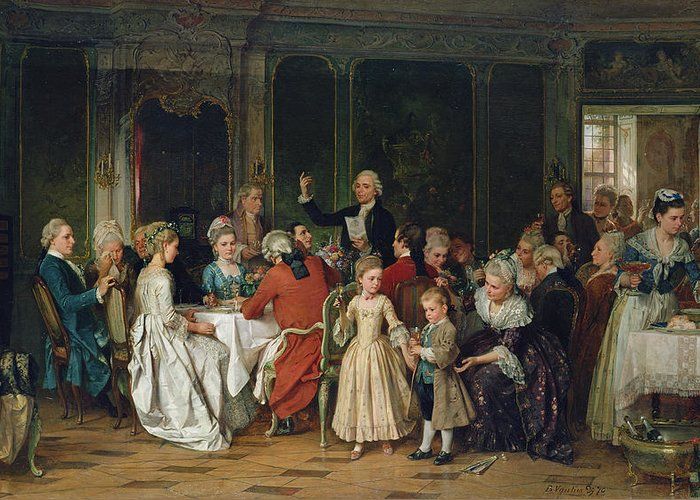
“To drink at a table without drinking to the health of someone special, should be considered drinking on the sly, and as an act of incivility.” Throughout history, toasting began after a meal and could last for hours. Toasts would solidify the bonds of groups, not only through the competitive element of drinking, but by …
Continue reading “Basic Colonial Brewing #17 — Make an 18th Century Toast”
Making Rum
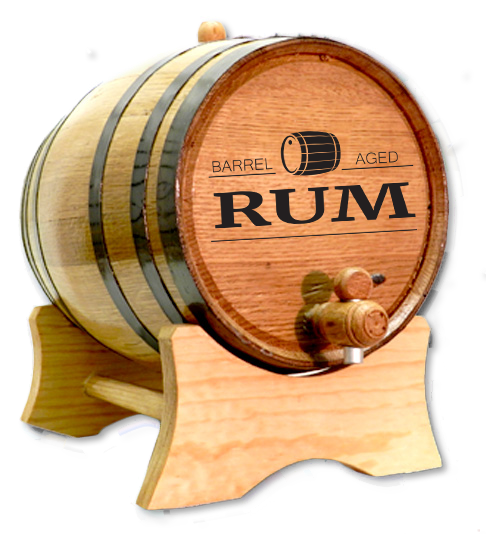
Rum’s origin lies in the 17th century Caribbean Islands. The first distillation of rum took place on the sugarcane plantations, located on the island of Barbados. Slaves from the plantations discovered that by fermenting molasses, a byproduct of refining sugarcane, they could create alcohol. Then by distilling this alcoholic drink, they could create a concentrated …
A New Name for the New Nation

On September 9, 1776, the Second Continental Congress formally renamed our nation the United States of America. This replaced the term United Colonies, which had been in general use. In a declaration dated September 9, 1776, the delegates wrote: “That in all continental commissions, and other instruments, where, heretofore, the words ‘United Colonies’ have been used, the …
UPCOMING EVENT
Saturday, September 910am – 4pmHistoric Rittenhouse Town6034 Wissahickon AvenuePhiladelphia, PA 19144 In order to finance some of his scientific projects, David Rittenhouse made topographic surveys for roads, rivers, and various properties as City Surveyor of Philadelphia in 1774. The most significant and widely known of his field work dealt with laying out boundaries and jurisdictional …
“Run Away!” – Revolutionary Deserters

One of the fundamental problems with the Continental Army was that the State Legislatures were reluctant to establish a European-style professional army with long-term enlistments for fear of a strong military leader seizing the government. Without a professional attitude, soldiers were much more likely to be casual about remaining in ranks for the full term …
Historical Tidbits — Battle of Eutaw
When reenacting or acting as a historical interpreter, its good to have a few historical dates and stories to share. This series will publish a few. September 8, 1780 Battle of Eutaw After receiving reinforcements, Major General Nathanael Greene of the Continental Army resumes offensive action against Lieutenant Colonel Alexander Stewart and the British soldiers …
 Michael Carver -- Historical Interpreter/Reenactor