
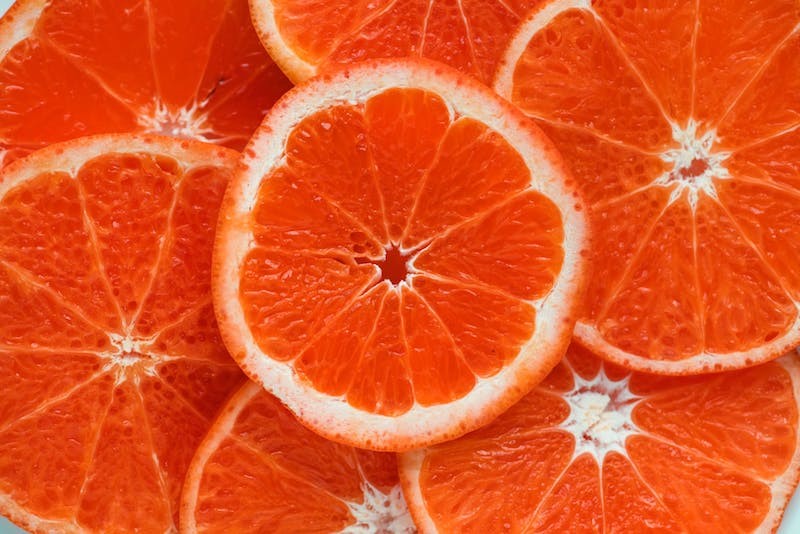
In 1499 the Spanish sent an expedition to the Caribbean island of Curaçao in an attempt to cultivate Seville oranges. Oranges were vital to naval operations in the region as they were used to fight scurvy. The Seville oranges, however, struggled under the island’s harsh equatorial sun, arid climate, and infertile soil eventually evolving into a small, bitter, and inedible green citrus. The fruit from these trees were initially unusable.
When the Dutch conquered Curaçao in 1634, they had a different aim than the Spanish. In Spain, the Alhambra Decree of 1492 led to the mass expulsion of both Muslims and Jews. A large number of these refugees made their way to the Netherlands where despite a nation Protestant religion, religious toleration was a critical part of not only the economics of the country but its social identity. These refugees, however, put a strain on the church and the republic struggled with controlling anti semitic crimes (against BOTH Jews and Muslims). Efforts were made to find these people new homes. Curaçao, like the 20th Century British Mandate of Palestine, was seen as a place to send Jews to get them out of the country.
The story of the migration of Jewish settlers from the Iberian Peninsula to the southern Caribbean is a multi-stage immigration saga, each stage of which was fueled by Dutch offerings: from Spain and Portugal to Holland, where the Dutch promised religious freedom, and from there to the Caribbean, where the Dutch dangled economic opportunity and land. Despite all the support these settlers got from the Netherlands, farming on Curaçao was incredibly difficult and most of these Jews returned to occupations they had had in Spain and Holland, ranging from sailing and banking to importation and business of all varieties. One Jewish family, the Seniors, founded a global business making use of the too-bitter-to-eat oranges the Spanish initially brought to the island.
Mordechai Senior was born in Amsterdam in 1620 to a family that had escaped Spanish Inquisition and persecution. He and his family were vintners and soon discovered that the dried peels of those bitter Laraha oranges that had evolved from the original Seville oranges brought by Spain in 1499 could be stomped like grapes releasing enticing fragrance and juice which could be fermented then distilled into an interesting orange liqueur.
The process, begins with hand-harvesting the Laraha oranges from trees growing on the eastern side of Curaçao. The fruits are then peeled and sun dried for five days. The dried peels are combined with spices, such as cardamom and cloves, then added to the thumper of a rum still in which a second distillation of sugarcane spirit is made, much in the same fashion as genevere or gin. After distillation, sugar is added to the distillate. The resulting liqueur is then filtered, and bottled. It takes about 17 days from harvest to bottle (plus the time to ferment the sugarcane and distill it a first time).
Modern Curaçao comes in five colors — blue, green, red, orange, and clear — but this is a 20th Century marketing addition. In the early 1900’s the color was added to distinguish Curaçao from Triple Sec which as a similar but inferior flavor, The original spirit was placed in wine barrels so it had a ruddy brown color.
Curaçao is a fitting example of the impact of immigration and agricultural reclamation that displaced peoples have achieved over the centuries. Whether Oliebollen[1] made by Jews celebrating Hanukkah in 16th Century Holland, or sweet liqueur distilled from oranges too bitter to eat. Spanish Jews expelled by Isabella found ways of reinvigorating life in their new Dutch and Caribbean homes.
To all my Dutch friends as we enter this holiday season, L’chaim[2] and Vrolijke Feestdagen[3]!
[1] Literally “oil balls” or “oil cakes.” Sweet fried dumplings sold by street vendors in Amsterdam evolved from Sufganiyah which are a traditional Channukah dish. Today, Oliebollen are enjoyed universally in the Netherlands as a New Year’s tradition.
[2] Hebrew – “To Life”
[3] Nederlanders – “Happy Holidays”
Want to have the
Regimental Brewmeister
at your site or event?
You can hire me.
https://colonialbrewer.com/yes-you-can-hire-me-for-your-event-or-site/
 Michael Carver -- Historical Interpreter/Reenactor