Basic Colonial Brewing: More on Decoctions

Brewers today have access to highly-modified malts.  We also have modern tools like thermometers which were prohibitively expensive luxuries not available to brewers in the 18th Century.  This means the process of extracting sugars from the grains through mashing were far less efficient in 1770 than they are today.  Decoction is a method to overcome …

Freedom Means NOTHING Unless You Also Embrace Tolerance

Tolerance implies no lack of commitment to one’s own beliefs. Rather it condemns the oppression or persecution of others. John F Kennedy As Americans we focus a lot on our Constitutional Freedoms.  Frankly, we are far more enthralled with these than most of the rest of the world for in the time since our Revolution, …

US Marines in the American Revolution — A Marine Lieutenant Dies

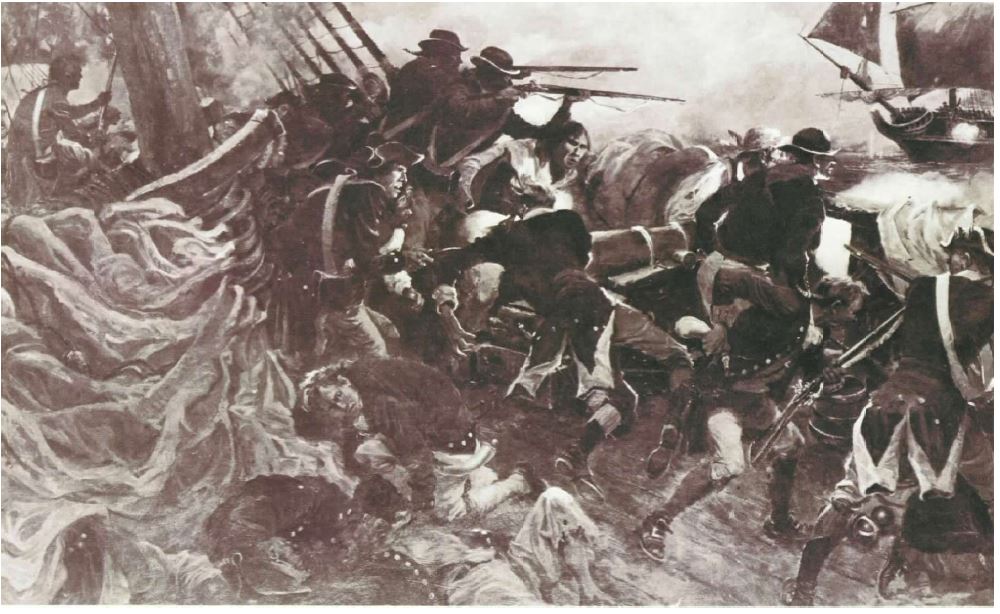
6 April 1776 The voyage northward following the raid on New Providence was routine. An hour into the midnight watch on 6 April 1776, however, the situation changed ; two unidentified sails were sighted to the southeast. All hands were called to quarters as the distance closed, and it became clear that one of the …

Could one of our Founding Fathers have been a Jew?

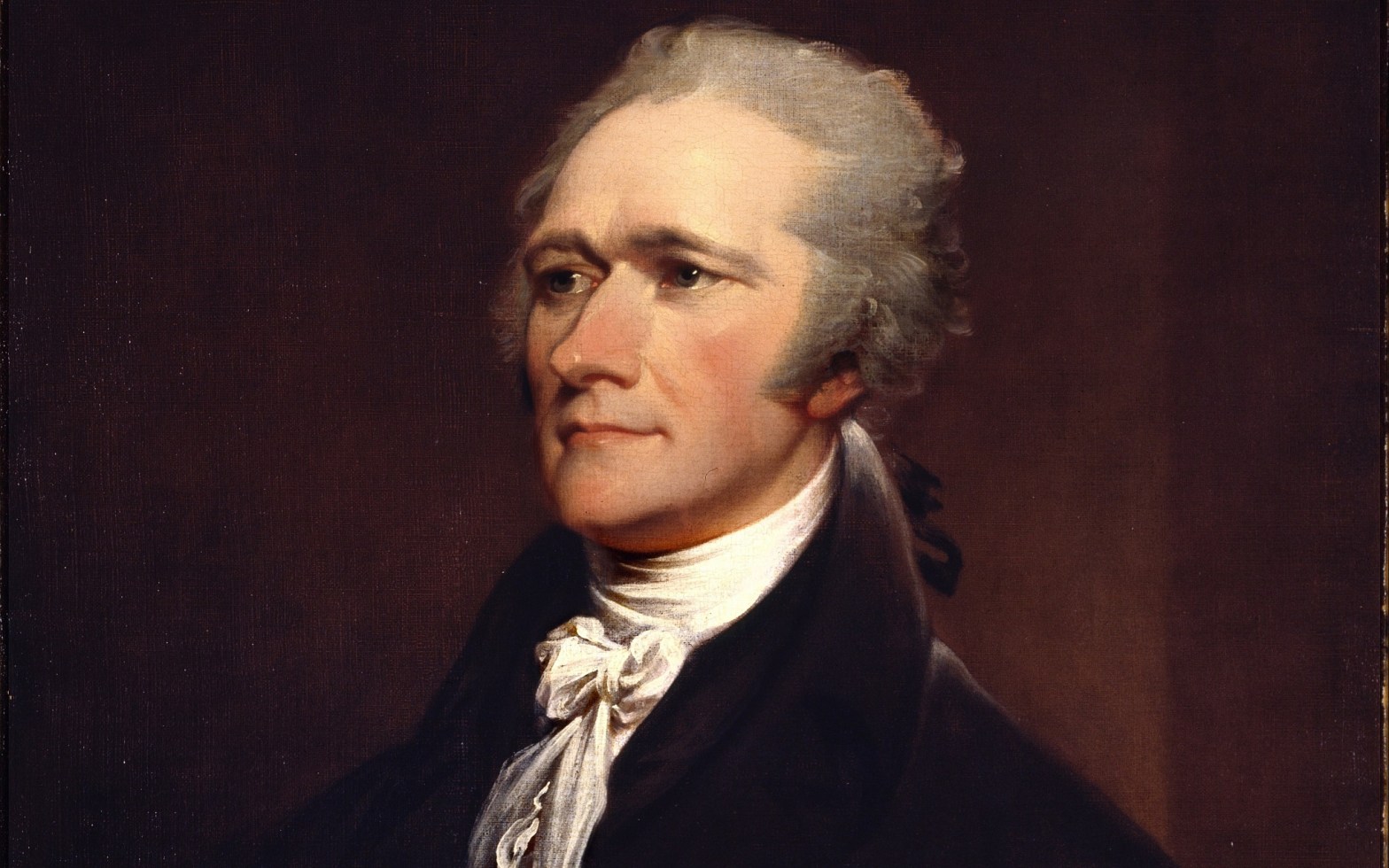
While writing the blog on Chanukah in Colonial America, I came across some lectures and articles by Andrew Porwancher, a professor at the University of Oklahoma, who has an interesting hypothesis.  It seems that while researching the early life of Alexander Hamilton, Porwancher uncovered some interesting facts. Alexander Hamilton is the son of Rachel Faucette …

Historical Tidbits — SUGAR ACT

When reenacting or acting as a historical interpreter, its good to have a few historical dates and stories to share. This series will publish a few. April 5, 1764 – SUGAR ACT Sugar Act, also called Molasses Act, the Plantation Act or the Revenue Act, was passed by Parliament in an attempted to curb the …

Not the First Library but Perhaps the Best

In 1727, Benjamin Franklin and several friends established a “club of mutual improvement” called the Junto which met in a Philadelphia alehouse each Friday evening. There they held lively discussions of politics, morals and philosophy. Eventually, they left this ale-infused atmosphere for a quieter meeting place in the home of one of the wealthier members. …

Historical Tidbits — Congress establishes the US Mint

When reenacting or acting as a historical interpreter, its good to have a few historical dates and stories to share. This series will publish a few. April 2, 1792       Congress establishes the US Mint in Philadelphia. On April 2, 1792 Congress passed the Coinage Act, establishing the first national mint in the United States. In …