
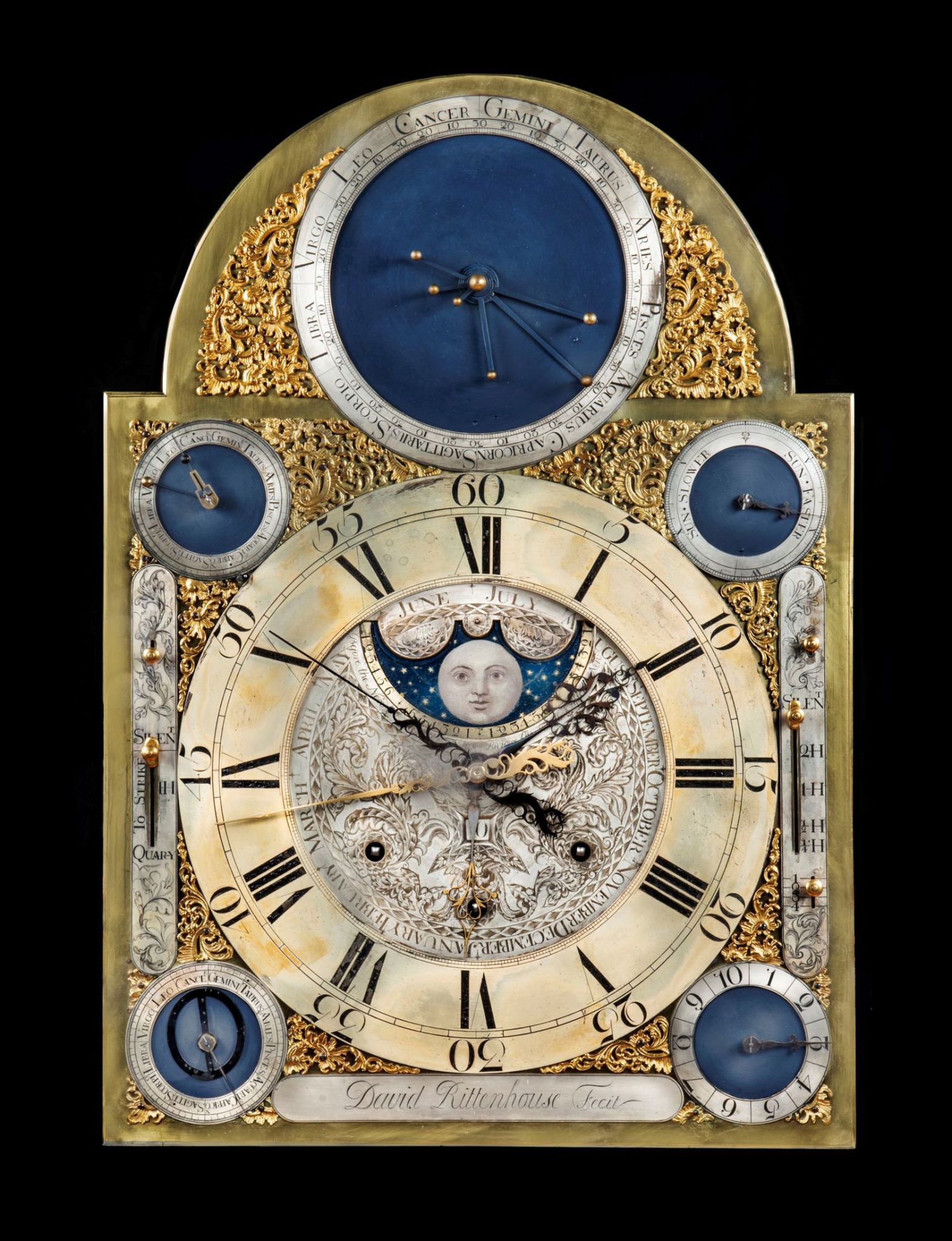
Clocks of the 18th Century were not reasonably good at keeping time. Most major cities had a public clock either in a church or civic building that was the “official time” but since these timepieces often lost or gained a few minutes every day, they had to be reset constantly. To do this, people used the only reliable time standard of the era, the sun.
Noon was when the sun reached its zenith but since the sun rises because of the rotation of the earth, cities in the east experienced this zenith earlier than those in the west. This 15-degree per hour rate of the sun’s trajectory across the sky is the basis for our measurement of longitude. Noon in Philadelphia is six minutes earlier than noon in Pittsburg.
Now today we consider such a difference to be unacceptable. Our speed of travel and communication means that using solar noon as a time standard would create chaos. In fact, even the early railroads traveled fast enough that allowing this time difference was a safety concern. On November 18, 1883, American railroads adopted time zones (Eastern, Central, Mountain, and Pacific) and set all clocks within each of these new “time zones” to the same time. Today we have four time zones (unless you count the Daylight Savings hold-outs) but in 1800, we had at least 144. Which adds a new meaning the Chicago tune – “Does anyone really know what time it is. Does anyone really care…”
Want to have the
Regimental Brewmeister
at your site or event?
You can hire me.
https://colonialbrewer.com/yes-you-can-hire-me-for-your-event-or-site/
 Michael Carver -- Historical Interpreter/Reenactor