

The Vereenigde Oostindische Compagnie (VOC), better known as the Dutch East India Company was set up in 1602 and head-quartered in the Oost-Indisch Huis (East-India House) in downtown Amsterdam, which still stands today. The company was first company to officially issue stocks, which peaked during the Dutch “Tulip Mania”, a craze for tulip bulbs that …
Monthly Archives: December 2025
Historical Tidbits — 1st Bank of North America established

When reenacting or acting as a historical interpreter, its good to have a few historical dates and stories to share. This series will publish a few. December 31, 1781 1st Bank of North America established Chartered May 26, 1781, by the Continental Congress under the Articles of Confederation, this enterprise was the first national and truly …
Continue reading “Historical Tidbits — 1st Bank of North America established”
Auld Lang Syne

At midnight on December 31st, throughout the English-speaking world, the song “Auld Lang Syne” is sung practically everywhere. This song — actually a poem by Robert Burns — is indelibly linked to New Year’s celebrations, but what does it mean? You’ve all seen Billy Crystal in Harry met Sally: “Does that mean that we should …
Historical Tidbits — Arnold Attacks Quebec City
When reenacting or acting as a historical interpreter, its good to have a few historical dates and stories to share. This series will publish a few. December 31, 1775 — Patriot forces under Colonel Benedict Arnold and General Richard Montgomery attempted to capture the British-occupied city of Quebec and with it win support for the …
Continue reading “Historical Tidbits — Arnold Attacks Quebec City”
Historical Tidbits — General Montgomery killed
When reenacting or acting as a historical interpreter, its good to have a few historical dates and stories to share. This series will publish a few. December 31, 1775 General Montgomery killed General Richard Montgomery launched a courageous attack on the lower city of Quebec (along the river beneath the walls) in the middle of …
Continue reading “Historical Tidbits — General Montgomery killed”
Did Jews Participate in the American Revolution? Well here are a few stories. (Jewish Pirates)

When the Spanish expelled the Jews in 1482, many came to the “New World” is search of freedom and safety. Not surprising, many turned to piracy as both a means of income and as retribution for their mistreatment in Spain. Similarly, many Jews, already heavily involved in shipping and trade, began to arm merchant ships …
Bonhomme Richard Spice Ale
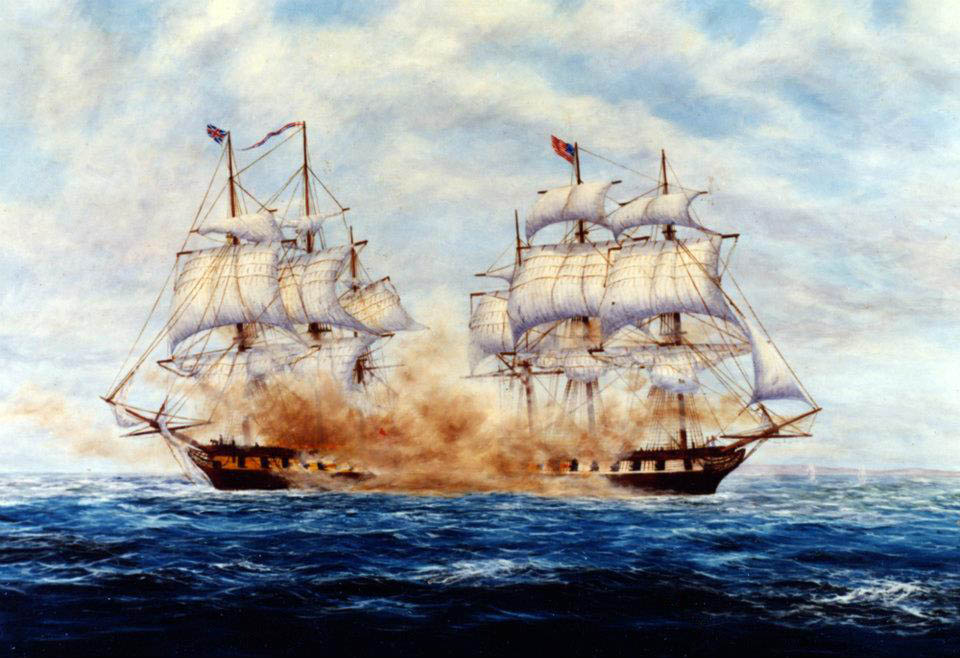
Bonhomme Richard was originally a merchant ship built at L’Orient for the French East India Company in 1765. Her design allowed her to be quickly transformed into a man-of-war in case of necessity to support the navy. She made two voyages to China, the first in 1766 and the second in 1769, was transferred briefly …
Did Jews Participate in the American Revolution? Well here are a few stories. (Moses Franks)
In 1776, as Washington was preparing in Boston to move against New York, the general requested Congress to send him $250,000 in hard coin to pay the militia whose term of service had expired. Washington’s problem was not to raise the money, but to transport it to Boston past hostile Tories. Shipping the specie by …
Historical Tidbits — Savannah taken by the British
When reenacting or acting as a historical interpreter, its good to have a few historical dates and stories to share. This series will publish a few. December 29, 1778 Savannah taken by the British In 1778, British policymakers and strategists decided to refocus their efforts on the southern colonies, where they believed the crown would …
Continue reading “Historical Tidbits — Savannah taken by the British”
And Now for Something Completely Different.

Finnish Wife Carrying Competitions Rosov Ronkainen, a notorious Finnish man from the 1800s, is known for stealing both women and food from nearby villages. He required his accomplices to go through an obstacle course while carrying something heavy on their backs to be sure they could handle the stolen bounties. Now, Finland has both a …
Continue reading “And Now for Something Completely Different.”
 Michael Carver -- Historical Interpreter/Reenactor