

Whist is a classic English trick-taking card game which was widely played in the 18th and 19th centuries. Although the rules are simple, there is scope for scientific play. Derived from the popular 17th Century trick taking game known as “Ruff and Honours,” Whist literally takes its name from the old English word whist meaning …
Author Archives: Michael Carver
Justification for Electoral College vs “Mob Rule”
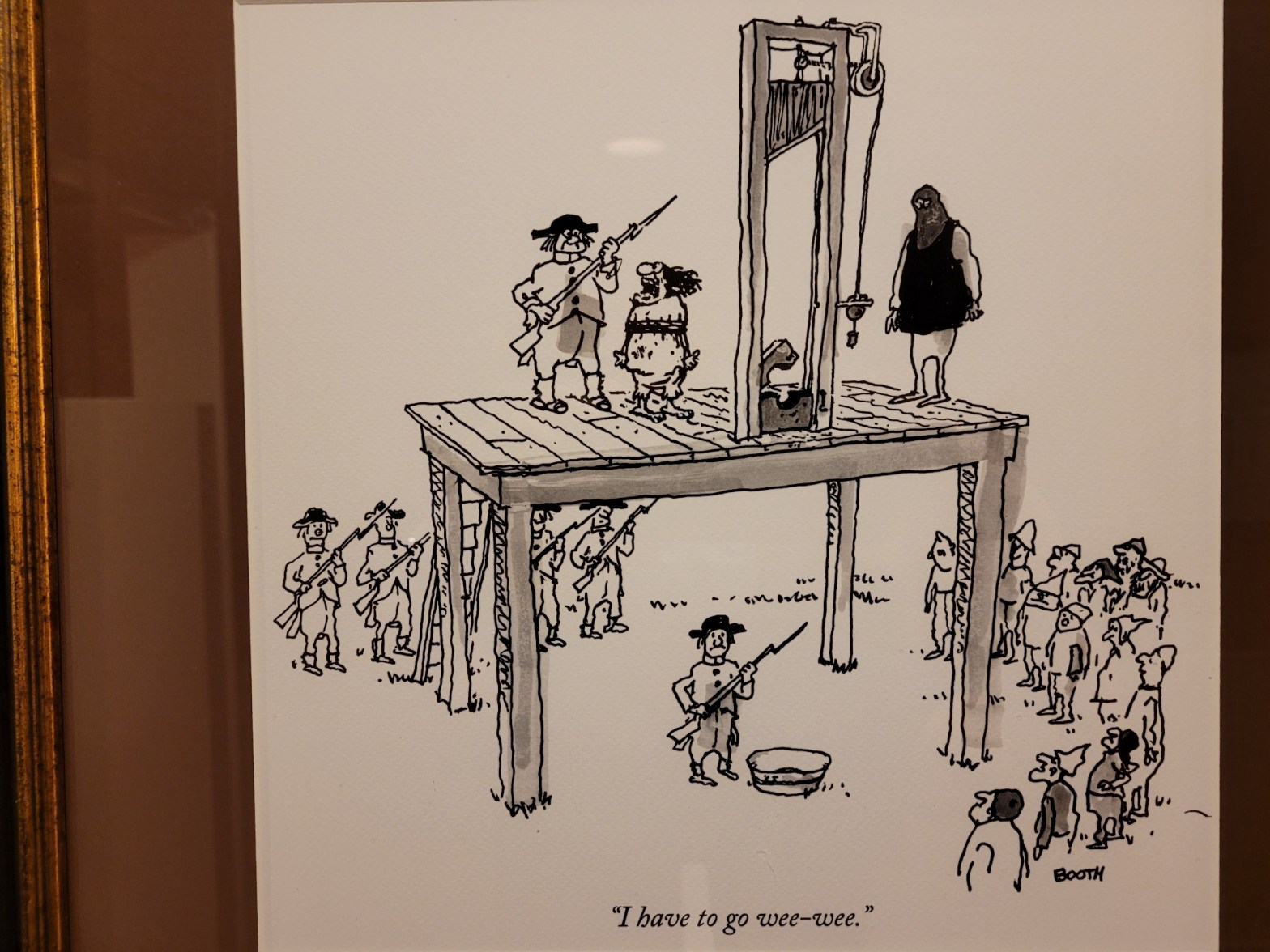
The Electoral College is undoubtedly the least appreciated element of the U.S. Constitution. Unlike most modern Americans, the authors of the Constitution did not want the public to directly elect the President or even the US Senators. Previous experiments in direct elections of state officials reinforced their arguments that pure democracy was just too dangerous. …
Continue reading “Justification for Electoral College vs “Mob Rule””
The New Guy Fawkes — the real legacy of Donald Trump
On January 6, 2021, following the defeat of U.S. President Donald Trump in the 2020 presidential election, a mob of his supporters attacked the United States Capitol Building in Washington, D.C. The mob sought to keep Trump in power by preventing a joint session of Congress from counting the electoral college votes. While still President …
Continue reading “The New Guy Fawkes — the real legacy of Donald Trump”
Historical Tidbits — New York Weekly Journal

When reenacting or acting as a historical interpreter, its good to have a few historical dates and stories to share. This series will publish a few. November 5, 1733 – The New York Weekly Journal became the first newspaper regularly published in North America. One year later, John Peter Zenger, its printer and publisher was …
Continue reading “Historical Tidbits — New York Weekly Journal”
America has a new Guy Fawkes
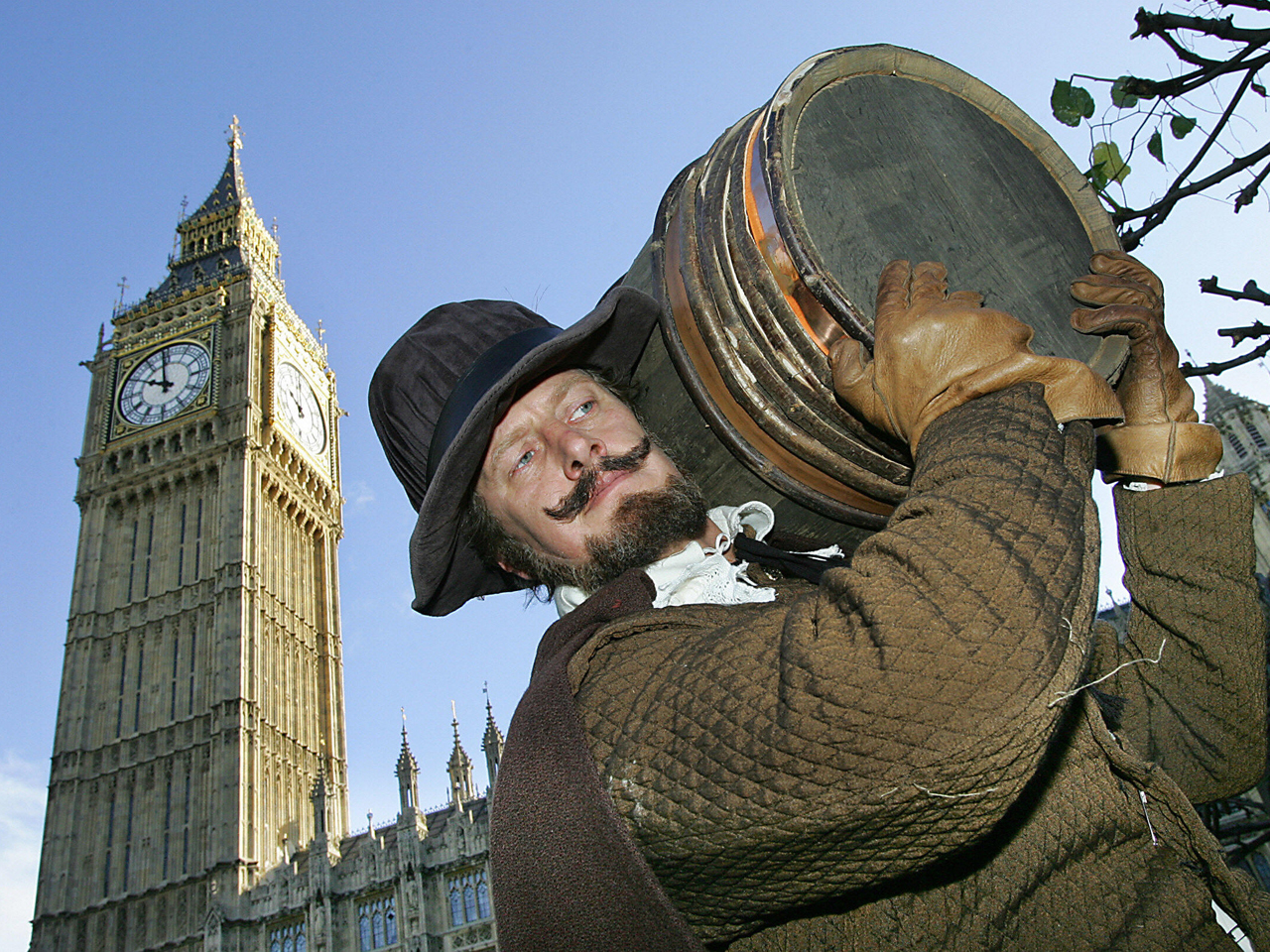
Remember, Remember, on the 5th of November Remember, Remember, on the 5th of NovemberThat some candidates deal in treason and plot.I see no reasonWhy January 6th treasonShould ever be forgot. Donald Trump, the world’s biggest chump, ’twas his intentTo stop the vote and be forever PresidentThat he lost the election he refusedFalse claims of cheating …
Historical Tidbits — When Rabbits Ruled the Netherlands
Okay, let’s be honest. For people who don’t speak either English or German, learning Dutch is confusing. For starters, many Dutch words are hard to pronounce and because, like German, you combine nouns in Dutch, you end up with words that frankly make you give out an angstschreeuw (cry of fear). Then there are the …
Continue reading “Historical Tidbits — When Rabbits Ruled the Netherlands”
Man Does Not Live on Beer Alone — Coffee
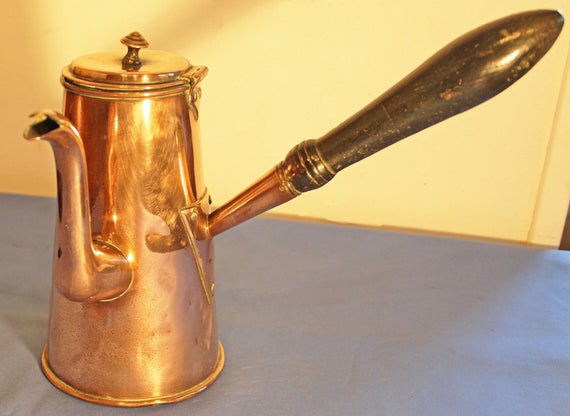
Coffee was most certainly a popular drink in the Americas in the 17th and 18th Centuries. There are records of John Smith bringing coffee to the Jamestown Colony and even trading it with the Indians, but remember, the British were not the only colonial powers. Coffee would not take on importance in the British Empire …
The Hawthorne Fence
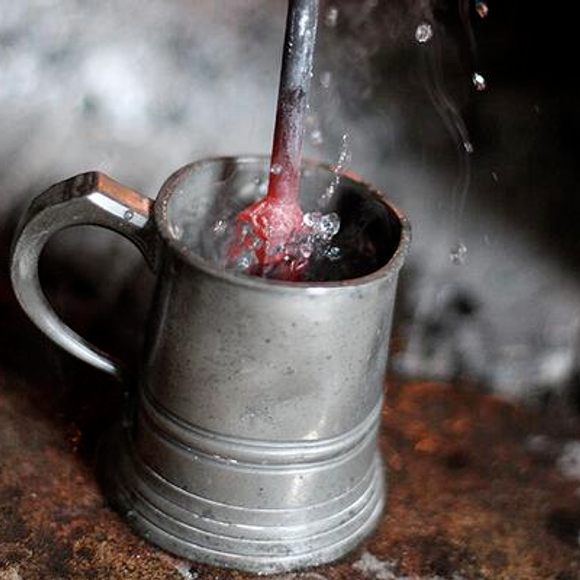
Early American settlers enjoyed fortifying their drinks. Stone fences mix hard cider and rum, shrubs mix wine with switchel, rattleskulls mix rum with beer, and the coo woo even fortifies brandy with rum. Rum, whiskey, and other spirits were staple goods produced to help farmers ship bulky products like corn and sugar to distant markets. …
American Historical Mythology
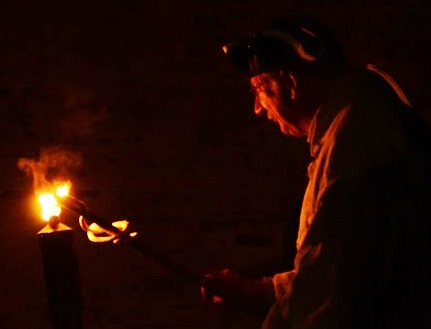
If you hang around Fort Mifflin very long you will, no doubt, be regaled with stories of the supernatural and the pseudoscience that supports its existence. These are all good fun but let’s be clear, SOME people actually believe these things and even though the scientifically minded dismiss THESE beliefs, they are quick to then …
That Insignificant Dutch Colony of New Amsterdam becomes New York City
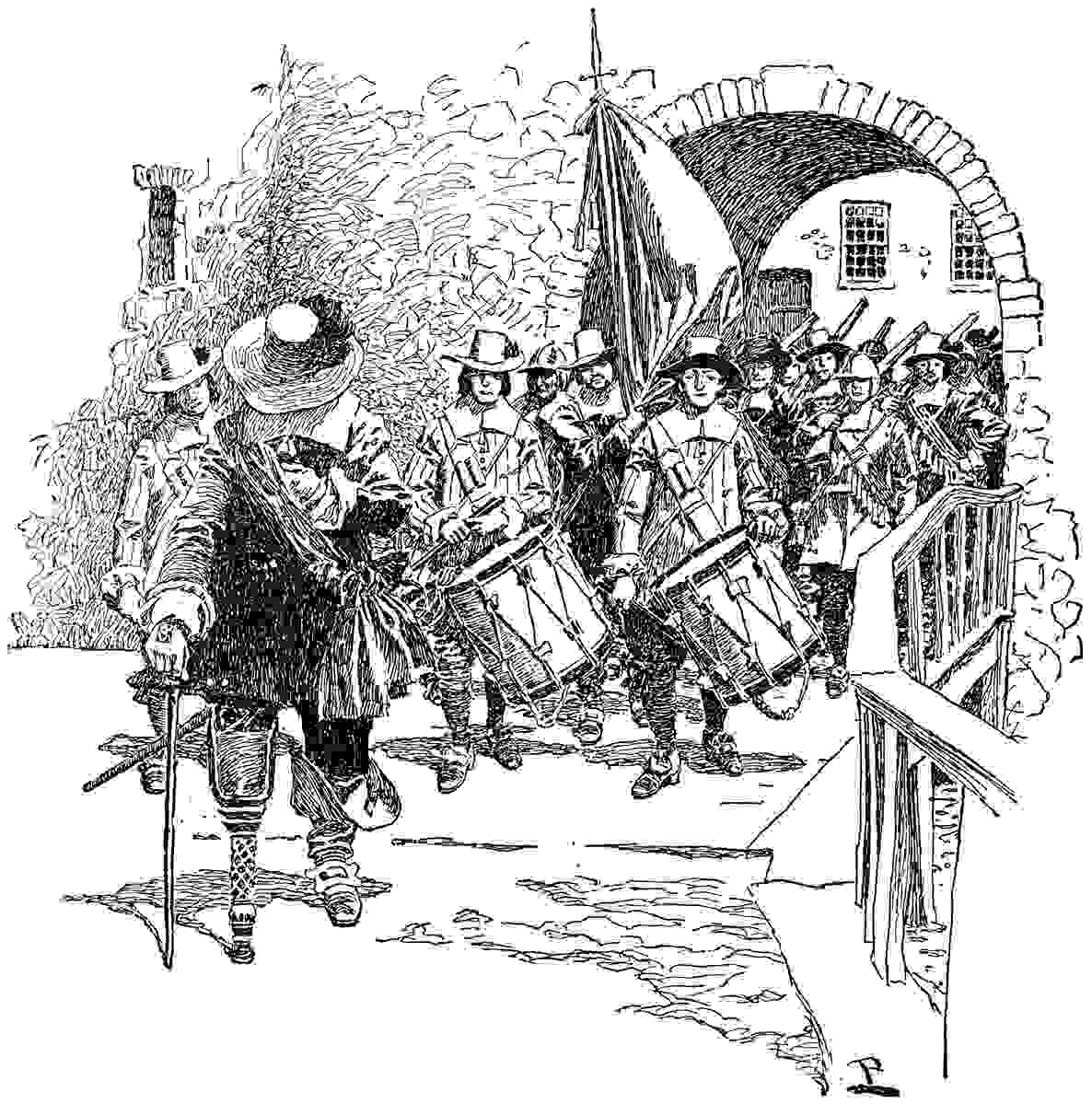
Wall Street was not always just the New York Stock Exchange, in the 1600’s, it got its name because it WAS THE CITY WALL protecting the Dutch West India Company’s colony of New Amsterdam. In the 1600s, the English and the Dutch were major commercial rivals (Dutch West India Company vs English East India Company). …
Continue reading “That Insignificant Dutch Colony of New Amsterdam becomes New York City”
 Michael Carver -- Historical Interpreter/Reenactor