

Gunpowder that was of vital to the success of the American soldiers in the American Revolution. Bunker Hill was lost not because of overwhelming British superiority but rather because the militia entrenched on Breeds Hill ran out of ammunition. In all of England, including the colonies, making black powder was legally a Crown monopoly. While …
Author Archives: Michael Carver
Making Matchcord

Despite what you may have learned watching Saturday Morning Cartoons, cannon are not fired by lighting a fuse like you see on a firecracker which slowly burns down to the charge. Well, they are but the fuse is generally a pile of loose gunpowder or a gunpowder impregnated quil that burns very rapidly to fire …
“Beer” Recipe — Black Cider
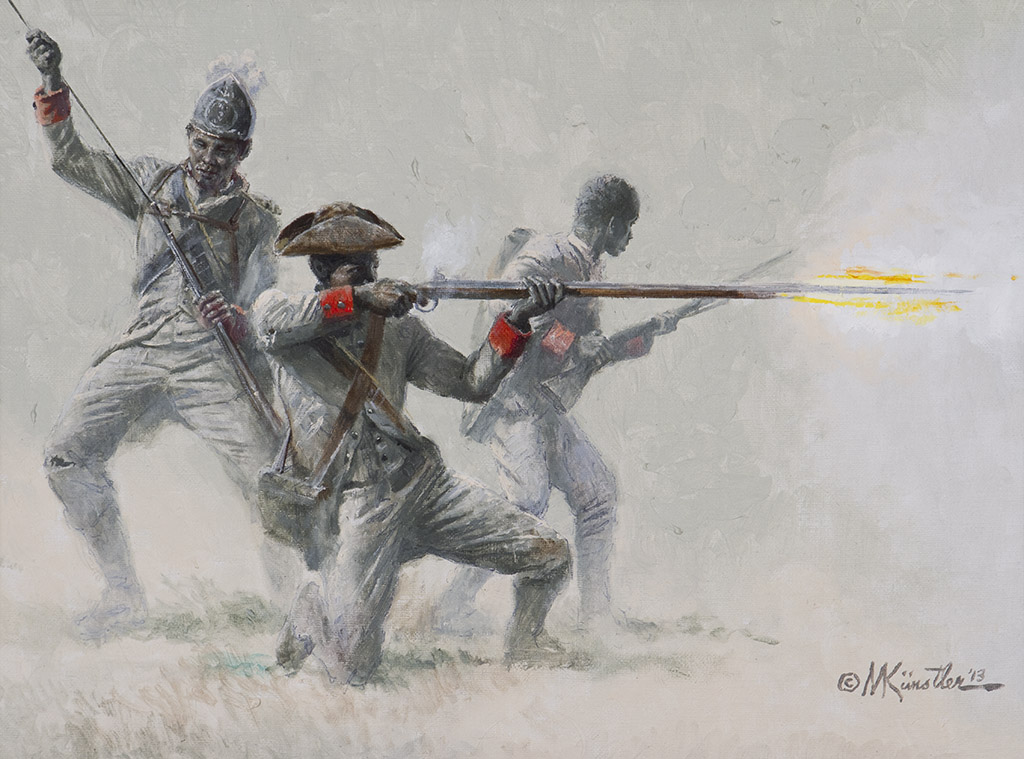
One of the biggest atrocities of the Revolutionary War was committed not by our enemies the British or even the Hessians, it was committed within our hallowed halls and ultimately enshrined in the Constitution and that atrocity was slavery. Eighteenth Century white men all felt that they were morally and intellectually superior to men of …
The definition of insanity is doing the same thing over and over again and expecting a different result
Well, we are in an election year and already the nutcases are gaining ground. Sure, the GOP espouses ideals that are antiquated but at least two of the candidates have not yet been indited and none are currently facing court dates. That should be a prerequisite for office and those who would nominate a criminal, …
Historical Tidbits — Battle of Cowpens

When reenacting or acting as a historical interpreter, its good to have a few historical dates and stories to share. This series will publish a few. January 17, 1780 Battle of Cowpens Shortly after sunrise, the American rifleman encountered the lead elements of Colonel Balastre Tarleton’s British Legion, the 7th Regiment of Foot, 71st Regiment …
Benjamin Franklin was born on 17 Milk Street in Boston, Massachusetts Bay Colony, on January 17, 1706.

Benjamin Franklin was born on January 17, 1706 in the city of Boston in a small house on 17 Milk Street, across the street from the Old Meeting House. His father was Josiah Franklin, a chandler (soap and candle maker). Josiah Franklin, emigrated from England in 1682. He had seven children with his first wife, …
Historical Tidbits — Cook Crosses Antarctic Circle
When reenacting or acting as a historical interpreter, its good to have a few historical dates and stories to share. This series will publish a few. January 17, 1773 – HMS Resolution, under the command of James Cook, became the first vessel to cross the Antarctic Circle. The Royal Society and the government were eager …
Continue reading “Historical Tidbits — Cook Crosses Antarctic Circle”
GOP vs Founding Fathers
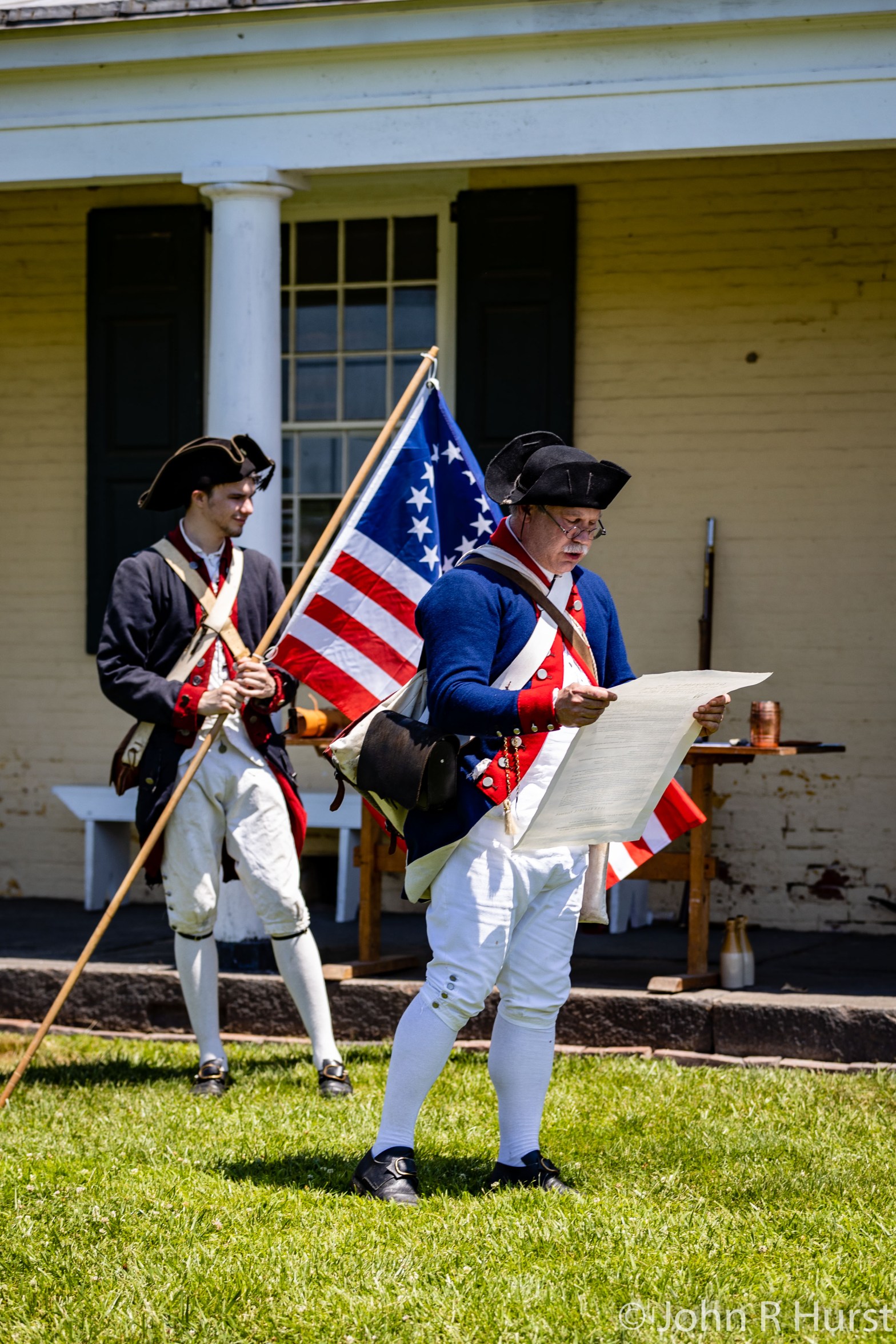
Round 6 — The Right to Keep and Bear Arms Well folks, this is an election year. This guarantees we will disagree on many things but please heed this bit of advice – wear boots! The Republican Party likes to claim that they are “originalist” and that they know the intentions that the Founding Fathers …
The Scourge of Slavery (#15) — The Fugitive Slave Act Denies States the Right to Outlaw Slave Recovery
There were actually two Fugitive Slave Acts. The first. passed by Congress in 1793 and the second in 1850 (and repealed in 1864). The 1793 law enforced Article IV, Section 2, of the U.S. Constitution in authorizing any federal district judge to decide without a jury trial the status of an alleged fugitive slave. The second Fugitive Slave Act …
The Kieve

The Regimental Brewmeister uses a 1 barrel brewery set up including a 30-gallon kieve (aka keeve) and a 30 gallon kühlschipp.(AKA koelschip). As we strive for ever increasing levels of authenticity to both the beer and our experience brewing, this new equipment takes us back to the basics of 18th Century zymology. In our previous …

