

When you visit the Philadelphia State House (AKA Independence Hall), you will be told the story of the Liberty Bell and it multiple recastings before being hung in the tower behind the hall. You will no doubt hear the bells (now the Centennial Bell) as it chimes on the hour and of course most photos …
Author Archives: Michael Carver
Basic Colonial Brewing #1 — The Importance of Beer in the 1700’s Colonial America
Today we think of beer as a luxury item, something to enjoy during our leisure times and beverage known and imbibed for its intoxicating properties. This was not always true. In fact, beer was once considered the most healthy drink to give to children and vital to survival. To understand this, you must first understand …
Continue reading “Basic Colonial Brewing #1 — The Importance of Beer in the 1700’s Colonial America”
Talk on Colonial Brewing
Last night we met at the Blue Ball Barn in Wilmington (Alapocas Run State Park, 1914 W Park Dr, Wilmington, DE 19803) and I gave a talk on Colonial Brewing. Attached is the presentation deck for those who either could not attend or did attend but wanted a copy. Presentation is posted here: https://colonialbrewer.com/wp-content/uploads/2024/01/alapocas-run-state-park-colonial-brewing-talk.pdf Want to …
Historical Tidbits — Common Sense

When reenacting or acting as a historical interpreter, its good to have a few historical dates and stories to share. This series will publish a few. January 10, 1776 – Common Sense, a fifty-page pamphlet by Thomas Paine, was published. It sold over 500,000 copies in America and Europe, influencing both the authors of the …
Winning the War with Beer
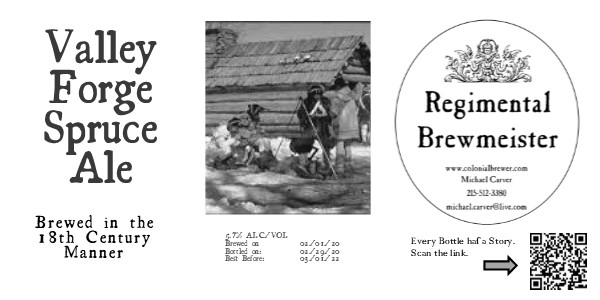
More 18th Century soldiers died of malnutrition and disease than by the hands of their enemies. For the British, each soldier was an investment of a nation’s time and resources so keeping them “fit for duty” was not just a humanitarian concern, it was protecting the nations investment. Getting soldiers trained and transported North America …
Becoming a Colonial Brewer

In 1994, I became interested in the someone rebellious and definitely an anachronistic hobby of home-brewing. Brewing beer at home became legal (again) in 1979 so by the time I got involved it was a weird mix of semi-commercial home-brew supply stores that sold malt, yeast, and hops in various forms plus a hodgepodge of …
The Scourge of Slavery (#14) — Outlawing Slavery
When does slavery end? That is not a simple question. Slavery was “abolished” several times: 1807 – Britain passes Abolition of the Slave Trade Act, outlawing British Atlantic slave trade. 1808 the Migration or Importation Clause (Article I, section 9) of the US Constitution (ratified in 1787) allowed Congress to end the importation of slaves …
Continue reading “The Scourge of Slavery (#14) — Outlawing Slavery”
UPCOMING EVENT — A Talk on Colonial Brewing
Alapocas Run and Wilmington State ParksBlue Ball Barn1914 W Park Dr, Wilmington, DE 19803January 10, 20246:30 pm – 8:00 pm This program will be a little different from our ordinary brewing demos. I am going to not start a fire and we have plenty of beer that has been previously brewed. At the Blue Ball Barn, I …
Continue reading “UPCOMING EVENT — A Talk on Colonial Brewing”
What Language is that written in? Understanding 18th Century Handwriting
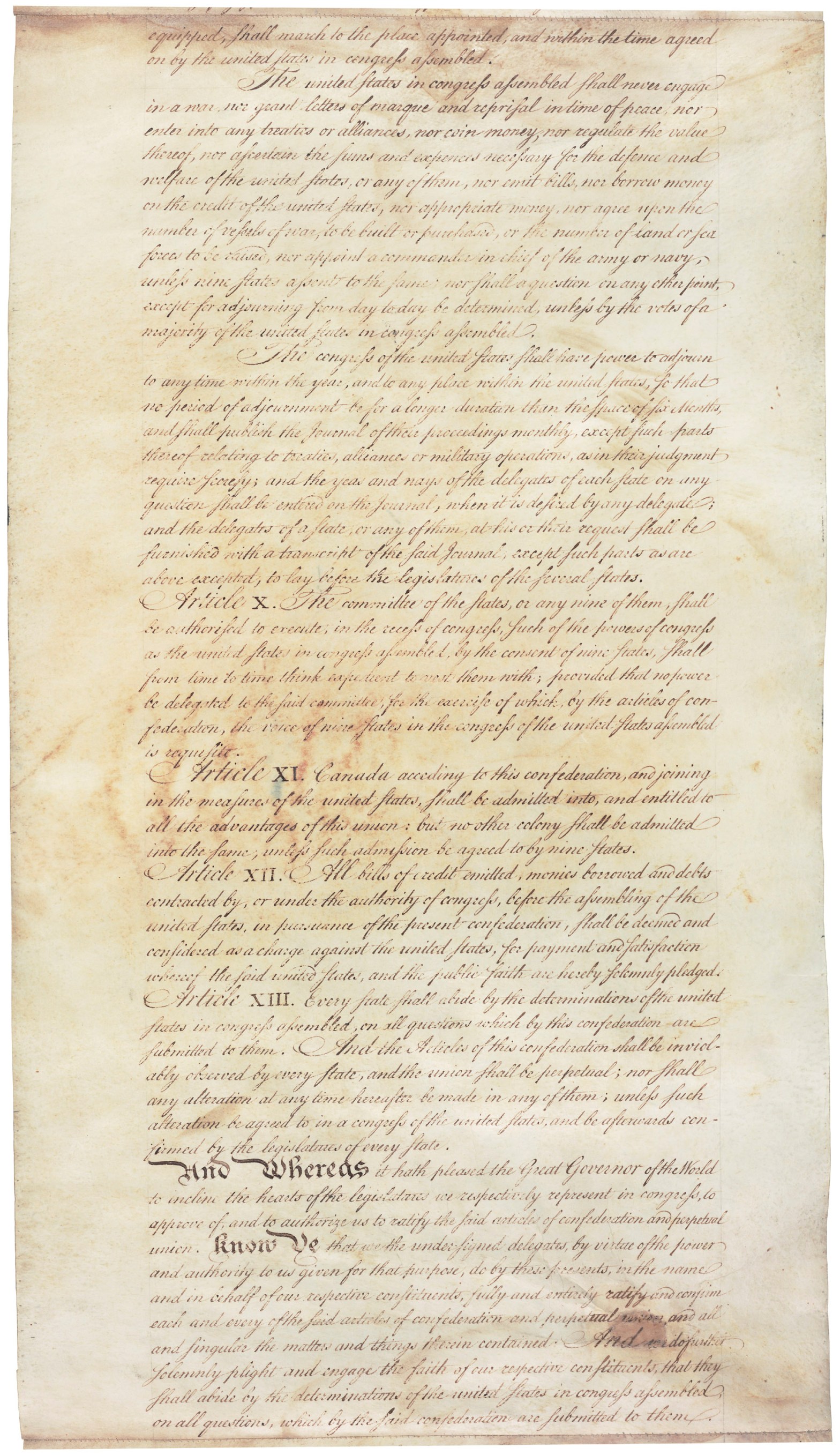
Several years ago, I was giving tours at Independence Hall when one of the guests approached me outside Congress Hall to ask questions about the Articles of Confederations (BTW, volunteers love to be asked questions, that’s why we do this so don’t hold back. If you ask us a question that we don’t know the …
Continue reading “What Language is that written in? Understanding 18th Century Handwriting”
Poor Richard’s Almanack
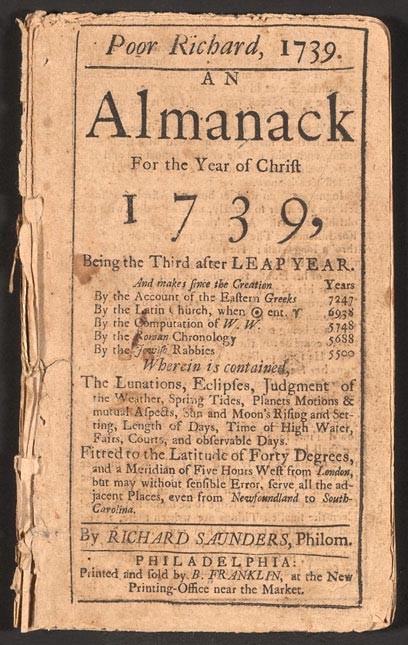
Poor Richard’s Almanack, which Franklin began publishing at the end of 1732, espoused his greatest life goals: the making of money and the promotion of virtue. It became, in the course of its twenty-five-year run, America’s first great humor classic. The fictional Poor Richard Saunders and his nagging wife, Bridget, helped to define what would …

