
Punch was introduced from the Indian subcontinent to England by employees of the East India Company in the late 17th century. The original drink was named paantsch from Hindi पाँच (pāñć), meaning “five,” as the drink was frequently made with five ingredients: alcohol, sugar, juice from either a lime or a lemon, water, and spices …
Author Archives: Michael Carver
Historical Tidbits — Siege Fort Mifflin

When reenacting or acting as a historical interpreter, its good to have a few historical dates and stories to share. This series will publish a few. November 16, 1777 Siege Fort Mifflin On September 22, Howe succeeded in achieving an uncontested crossing of the Schuylkill River and four days later occupied Philadelphia. Having taken the city, …
Historical Tidbits — Fort Washington taken by British
When reenacting or acting as a historical interpreter, its good to have a few historical dates and stories to share. This series will publish a few. November 16, 1776 Fort Washington taken by British After winning a major victory on Long Island the British began to move against Manhattan in mid-September. Unwilling to abandon New York …
Continue reading “Historical Tidbits — Fort Washington taken by British”
Martha Washington’s Shrub

In the drink world, a shrub is a concentrated syrup that combines fruit, sugar, and vinegar. Apple cider vinegar is the most common base for shrubs, and herbs and spices are often added to create interesting flavor combinations. By the 18th Century, making shrub with no vinegar was considered passé but vinegar shrubs will make …
Hire the Regimental Brewmeister for your Event or Site
Add excitement and authentic color to your special event, or create one for your site, with Philadelphia’s best Colonial Brewer and tradesman. Whether it is a reenactment, motion picture, a tavern night for a private event, or other endeavor, I can bring can bring a real sense of authenticity and fun to your event and …
Continue reading “Hire the Regimental Brewmeister for your Event or Site”
Historical Tidbits — Articles of Confederation
When reenacting or acting as a historical interpreter, its good to have a few historical dates and stories to share. This series will publish a few. November 15, 1777 – Articles of Confederation, the first US Constitution, is passed on this date in 1777. Two days later, the Continental Congress sent the Articles to the …
Continue reading “Historical Tidbits — Articles of Confederation”
Hot Toddy
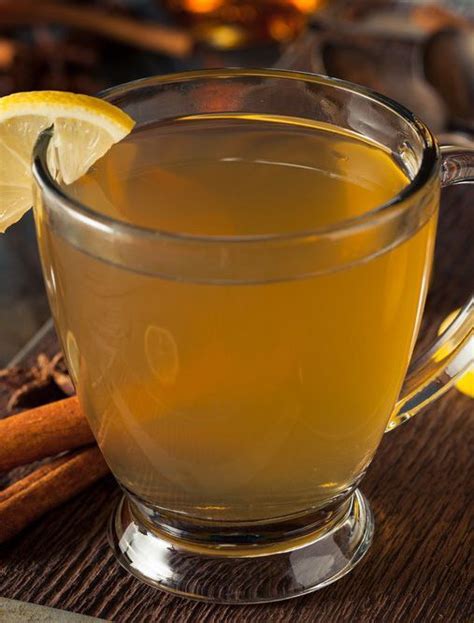
The traditional hot toddy formula is simple: Start with a hot cup of tea, add lemon and honey, then a bit of whiskey. This is certain to make even the worst cold feel just a little better. The toddy is believed to have been invented in Scotland sometime in the eighteenth century. It was a …
The Scourge of Slavery (#7) — Lord Dunmore Weaponizes Slavery
Between the 17th and 19th centuries, enslaved Africans and African Americans in British North America and the United States staged hundreds of revolts. Slave uprisings were daring, desperate, and inevitably doomed. The first known slave rebellion in one of England’s American colonies took place in Gloucester County, Virginia in 1663. The Servants Plot, as it was known, …
Continue reading “The Scourge of Slavery (#7) — Lord Dunmore Weaponizes Slavery”
Switchel

Switchel or “Haymaker’s Punch” is a drink made of water mixed with vinegar, and often seasoned with spices like ginger. It is usually sweetened with molasses or brown sugar. Switchel originated in New England, and it became a popular summer drink in the American Colonies in the late 17th century. By the 19th century, it …
How the British Perceived the American Revolution

The American revolution was a matter of great interest for the people in Britain. The British press weighed in on economics, military success and failures, the morality of the revolution, and more, through the press and private correspondence. As the British enjoyed one of the freest press systems in the world, not everyone felt obliged …
Continue reading “How the British Perceived the American Revolution”
 Michael Carver -- Historical Interpreter/Reenactor