

Surveying was a family business for Thomas Jefferson. Both he and his father Peter Jefferson were land surveyors for the King of England. Although Thomas Jefferson didn’t continue to survey as a profession, the skills he acquired as a surveyor were a solid foundation for his subsequent success. In the early 18th century, much of …
Author Archives: Michael Carver
Historical Tidbits — British Evacuate Philadelphia

When reenacting or acting as a historical interpreter, its good to have a few historical dates and stories to share. This series will publish a few. June 18, 1778 British evacuate Philadelphia After almost nine months of occupation, 15,000 British troops under General Sir Henry Clinton evacuate Philadelphia. The British position in Philadelphia became untenable …
Continue reading “Historical Tidbits — British Evacuate Philadelphia”
George Washington was a Surveyor

As a boy, George Washington strongly considered a career in the Royal Navy and studying geometry and celestial navigation. To improve his skills, he took up surveying using a set of surveyor’s instruments his father owned for his farm. Early in 1748, Washington accompanied George Fairfax and James Genn, the Royal Surveyor of Prince William …
Historical Tidbits — BATTLE OF BREED’S HILL
When reenacting or acting as a historical interpreter, its good to have a few historical dates and stories to share. This series will publish a few. June 17, 1775 – BATTLE OF BREED’S HILL (AKA Bunker Hill): 200 colonial troops under the command of William Prescott occupied Bunker Hill and Breed’s Hill constructing a strong …
Continue reading “Historical Tidbits — BATTLE OF BREED’S HILL”
The Colonial Chandler

Candles were made by either dipping a wick in molten wax or pouring that wax into a mold around the wick. By the late 1700s, many of the candles used in the American colonies were produced by commercial chandlers. Soap is a natural by-product of candle making, so many chandleries also sold soap. To make …
Historical Tidbits — Battle of “Bunker Hill”
When reenacting or acting as a historical interpreter, its good to have a few historical dates and stories to share. This series will publish a few. June 17, 1775 Battle of Bunker Hill. Well actually, Breed’s Hill… On June 13, 1775, the leaders of the colonial forces besieging Boston learned that the British were planning to send …
Continue reading “Historical Tidbits — Battle of “Bunker Hill””
The EIC and Opium, a Deadly Combination
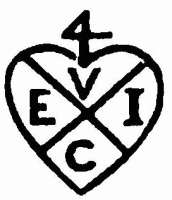
Next time you hear some politician blaming China for all the problems in the world, remember our friends in the East India Company. Unregulated, government and military backed capitalist that they were, started a WAR in order to extract a trade balance with China. Even though Europeans were eager to acquire Chinese tea, silk, and …
NO, We Didn’t All Write with Quills in the 18th Century. Some Used Pencils.
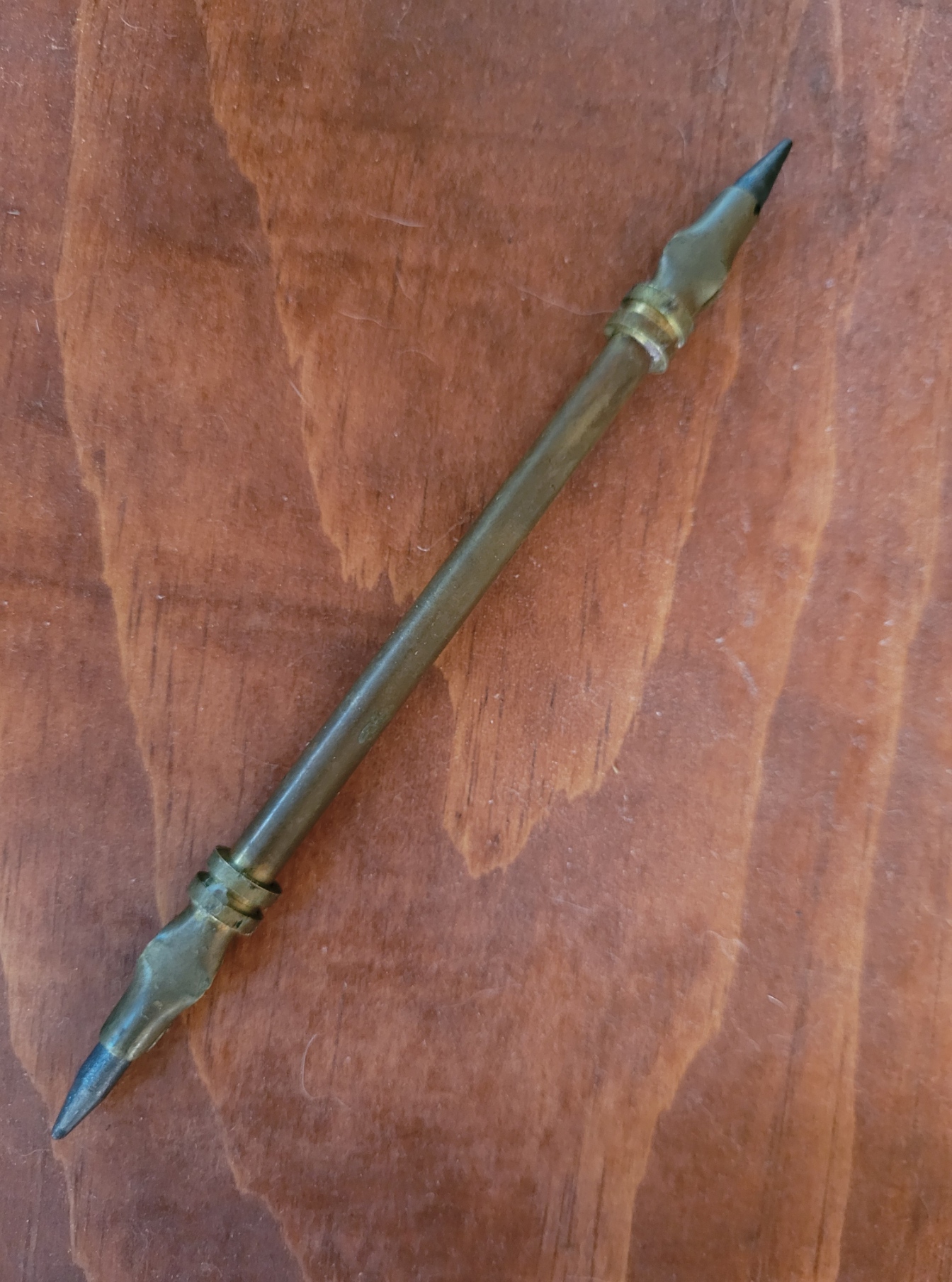
People began using pencils in Europe in the early 17th century. Graphite was discovered in England’s Lake District and it was soon discovered that this mineral made marks on paper and other surfaces that could be easily rubbed away. Early pencils were often a bit of graphite held in some sort of holder that allowed …
Continue reading “NO, We Didn’t All Write with Quills in the 18th Century. Some Used Pencils.”
In 1797 Henry Cavendish Used Small Metal Spheres to Weigh the Earth
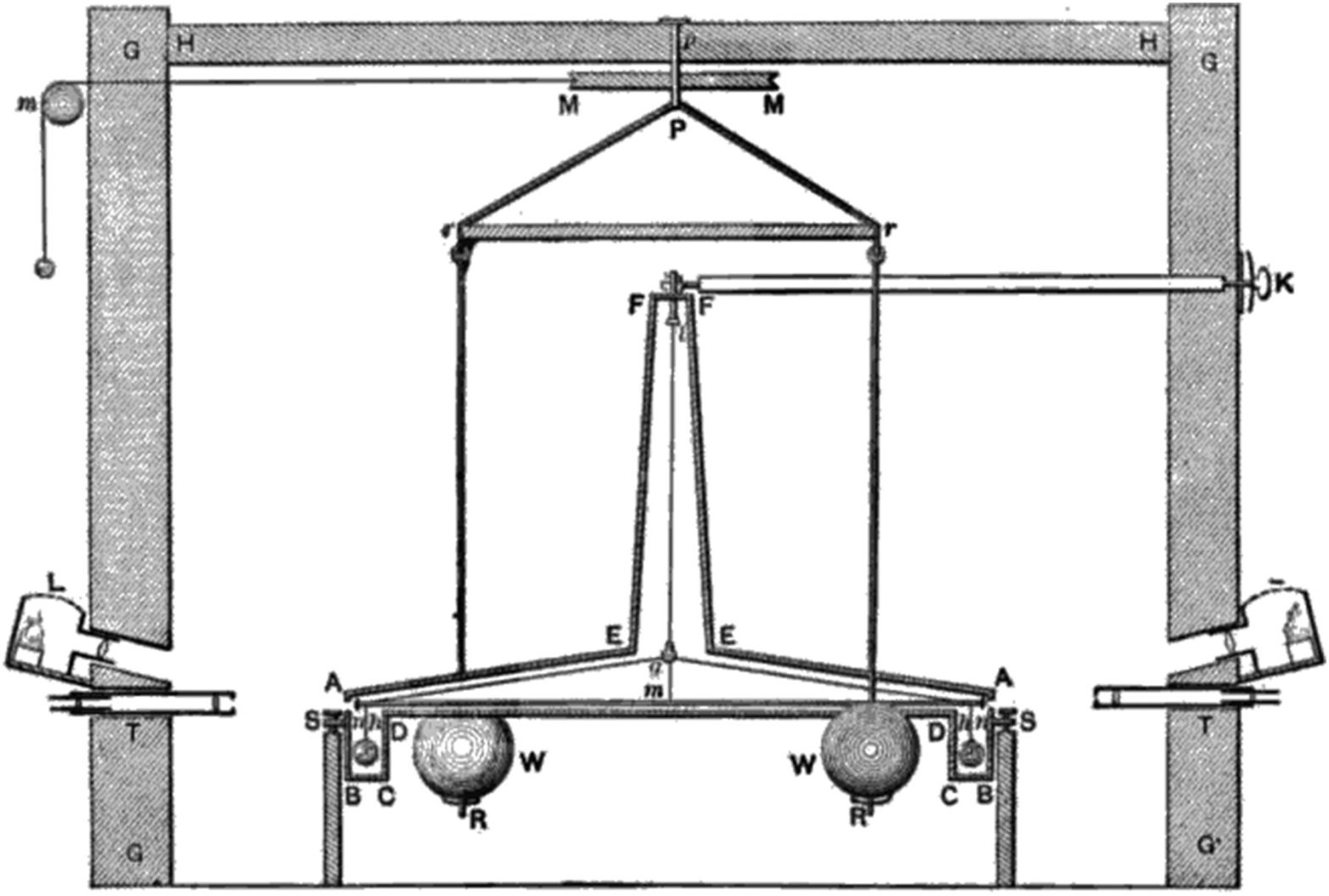
In 1768, through careful observation and lots of computations, the Royal Society was able to compute the distance of the Earth from the Sun. Armed with this information, and using Newtons universal law of gravitation (1687), it should be possible to understand the behavior of the planets. There remained, however, just one problem. How much …
Continue reading “In 1797 Henry Cavendish Used Small Metal Spheres to Weigh the Earth”
Historical Tidbits — Forty Fort
When reenacting or acting as a historical interpreter, its good to have a few historical dates and stories to share. This series will publish a few. Forty Fort was a stronghold built by settlers from Westmoreland County, Connecticut, on the Susquehanna River in Luzerne County, Pennsylvania. During the American Revolutionary War, both Connecticut and Pennsylvania …
 Michael Carver -- Historical Interpreter/Reenactor