
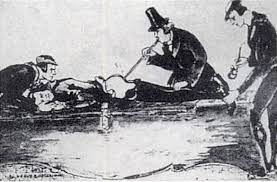
Maybe I’m just having a bad day but after several government meetings, the term “Blowing smoke up someone’s ass” has been used way too much. Just to set the record straight, this was not always a simple figure of speech indicating someone was being an insincere flatterer. Tobacco smoke enemas became a mainstream medical practice …
Author Archives: Michael Carver
Join the Regimental Brewmeister

People are always welcome to come to my events and if you come in 18th Century kit, you can be part of the program or just hang out in the tent as you see fit. However, if you are truly interested in really learning the process, teaching the public, and being the brewer, you should …
Is This the Way it Was Really Done? My Policies on Historical Accuracy.

Okay, we are not LARPing. I know there are some out there who are gung-ho for the fantasy or mythical reality of the American Revolution but we are trying to teach history so historical accuracy is a must. At my events, I strive to be as accurate as possible with the following caveats: When being …
Continue reading “Is This the Way it Was Really Done? My Policies on Historical Accuracy.”
What Language is that written in? Understanding 18th Century Handwriting
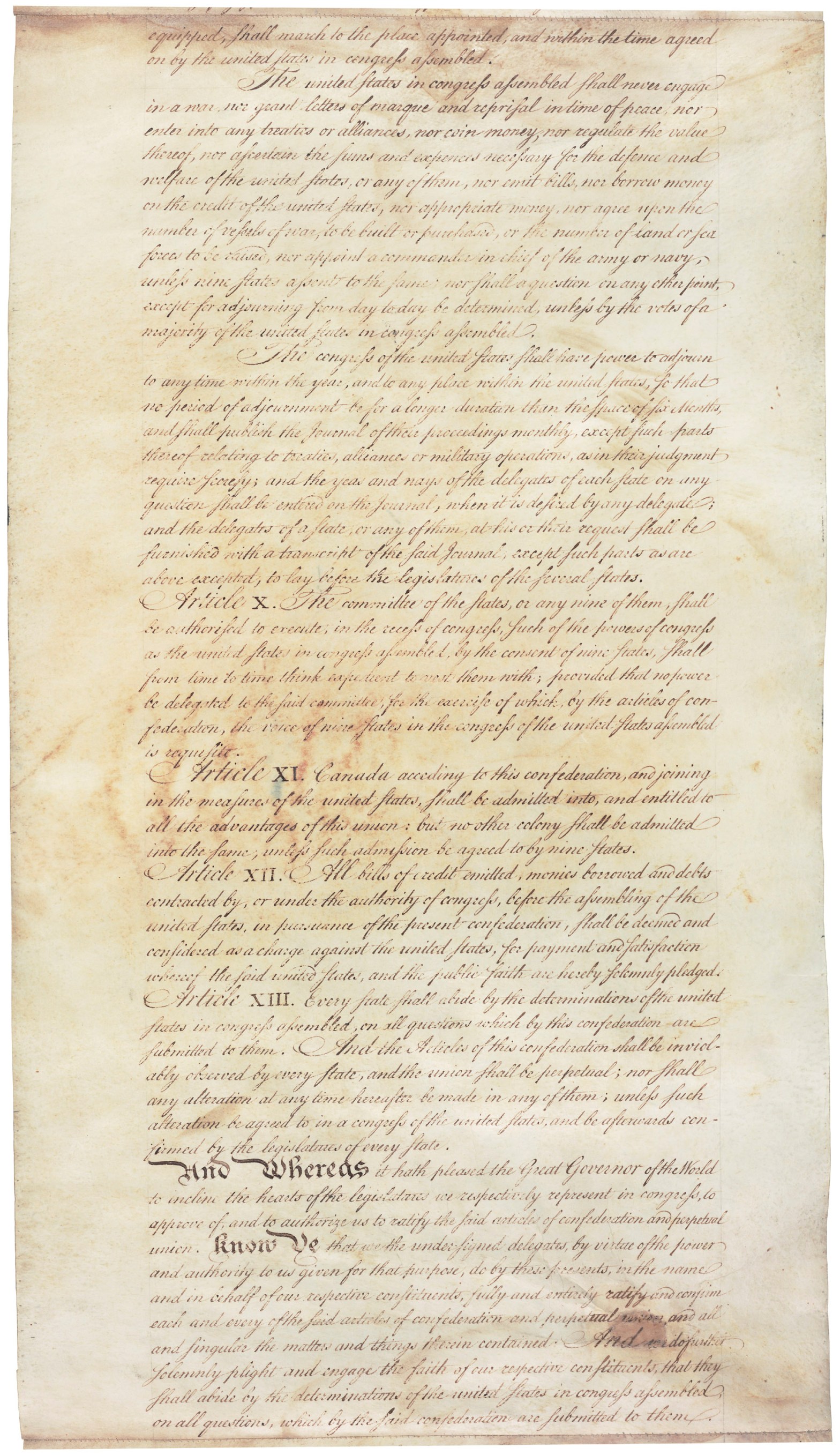
Several years ago, I was giving tours at Independence Hall when one of the guests approached me outside Congress Hall to ask questions about the Articles of Confederations (BTW, volunteers love to be asked questions, that’s why we do this so don’t hold back. If you ask us a question that we don’t know the …
Continue reading “What Language is that written in? Understanding 18th Century Handwriting”
The Star-Spangled Banner
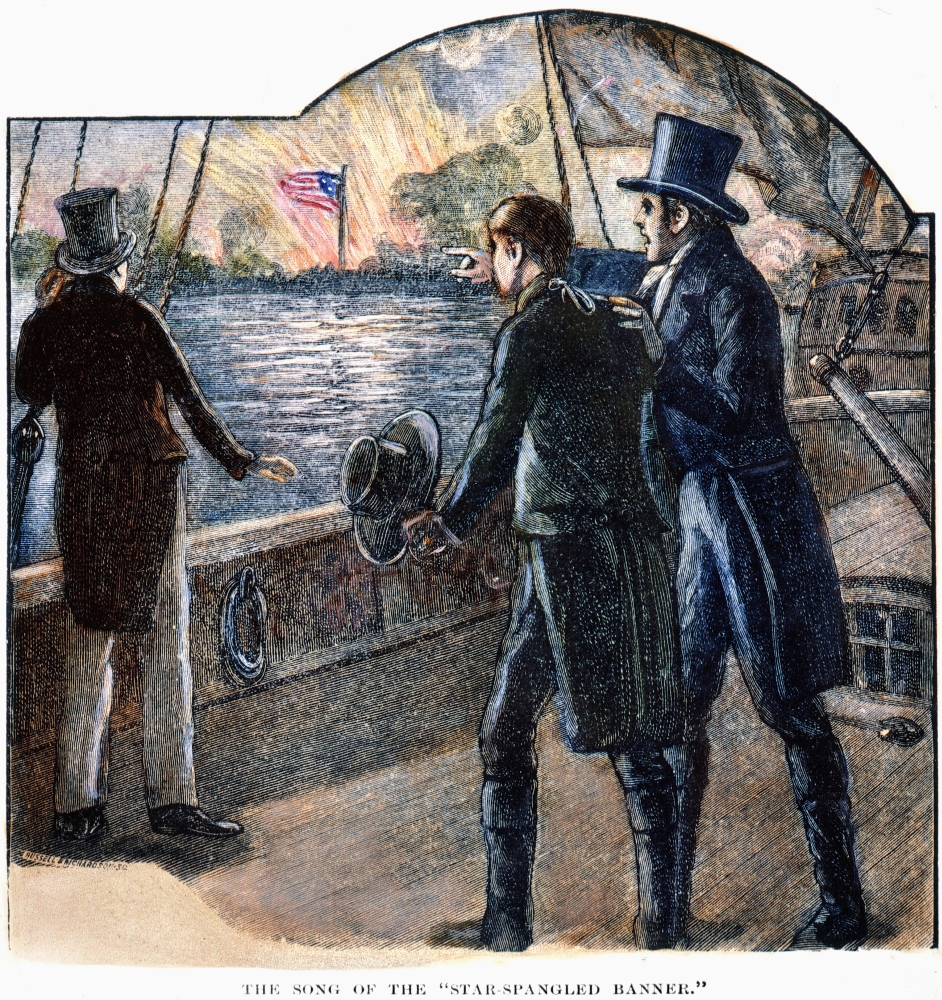
On September 14, 1814, Francis Scott Key pens a titled “The Defence of Fort M’Henry,” after he witnessed the fort being bombarded by the British during the War of 1812. Key was inspired by the sight of a lone U.S. flag still flying over Fort McHenry at daybreak, as reflected in the now-famous words of the …
Be careful what you wish for: Toasting Superstitions

Okay, I get it. Making a toast is a challenge. You must stand in front of the crowd, think on your feet and come up with something witty. It is fun but scary. Then there is the fact that some people choose not to drink – do we leave them out: of course not! But …
Continue reading “Be careful what you wish for: Toasting Superstitions”
Historical Tidbits — US Congress chooses New York City as the Federal Capital

When reenacting or acting as a historical interpreter, its good to have a few historical dates and stories to share. This series will publish a few. September 13, 1788 – The US Congress chooses New York City as the Federal Capital under the new US Constitution. Through the American Revolution the Continental Congress met in …
Continue reading “Historical Tidbits — US Congress chooses New York City as the Federal Capital”
Historical Tidbits — The Plains of Abraham
When reenacting or acting as a historical interpreter, its good to have a few historical dates and stories to share. This series will publish a few. September 13, 1759 — Battle of Quebec, also called Battle of the Plains of Abraham, was decisive defeat of the French commanded by Marquis de Montcalm by a British …
Continue reading “Historical Tidbits — The Plains of Abraham”
“And the Rockets’ Red Glare” – Rockets were originally used AGAINST the British in the 18th Century!

Missiles and missile rocket technology is a mainstay in the modern military. In fact, most modern fighter aircraft have dispensed entirely with guns and typically are armed with various offensive and defensive rocket powered munitions. While we are all familiar with the Chinese invention of fireworks, it was actually the INDIANS who turned these interesting …
Historical Tidbits — Liberty Bell Leaves Philadelphia
When reenacting or acting as a historical interpreter, its good to have a few historical dates and stories to share. This series will publish a few. September 12, 1777 Liberty Bell Leaves Philadelphia Following the Battle of Brandywine, all the bells other scrap metal in Philadelphia was hauled away so that the bronze in …
Continue reading “Historical Tidbits — Liberty Bell Leaves Philadelphia”
 Michael Carver -- Historical Interpreter/Reenactor