Brewing Up History with Regimental Brewmeister

SATURDAY, NOVEMBER 5, 2022 10 AM – 6 PMHerkimer House200 NY-169Little Falls, NY 13365 Perhaps you are an accomplished homebrewer and you want to appreciate the challenges faced by brewers in the 18th Century who brewed good beer without all the instrumentation and modern equipment we rely on, perhaps you are a history buff and …

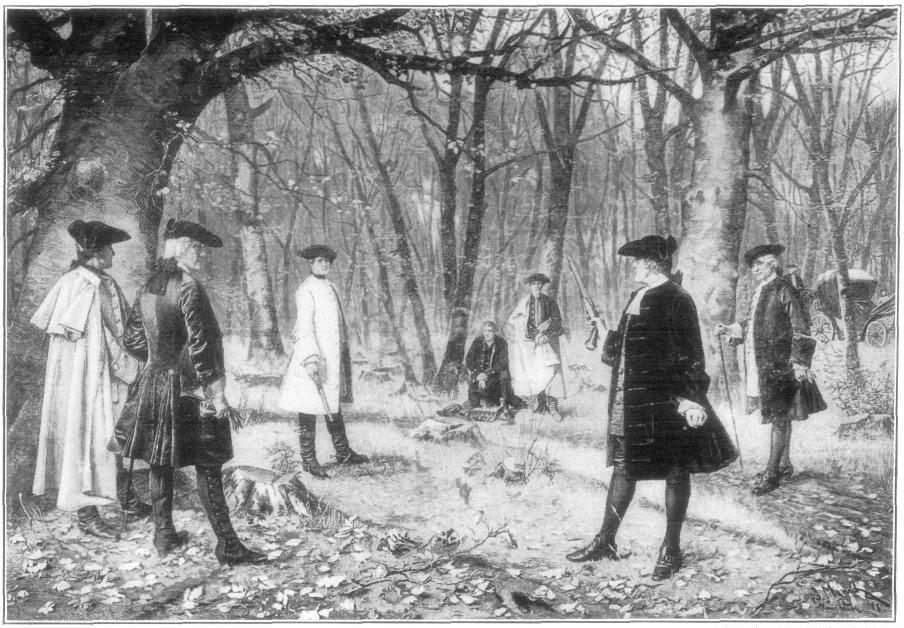
Dueling in the 18th Century

Duels have a deep history in American History.  Alexander Hamilton was the most celebrated casualty of the dueling ethic, having lost his life in an 1804 feud with Aaron Burr on the fields of Weehawken, New Jersey, but there were many more who paid the ultimate price— congressmen, newspaper editors, a signer of the Declaration …

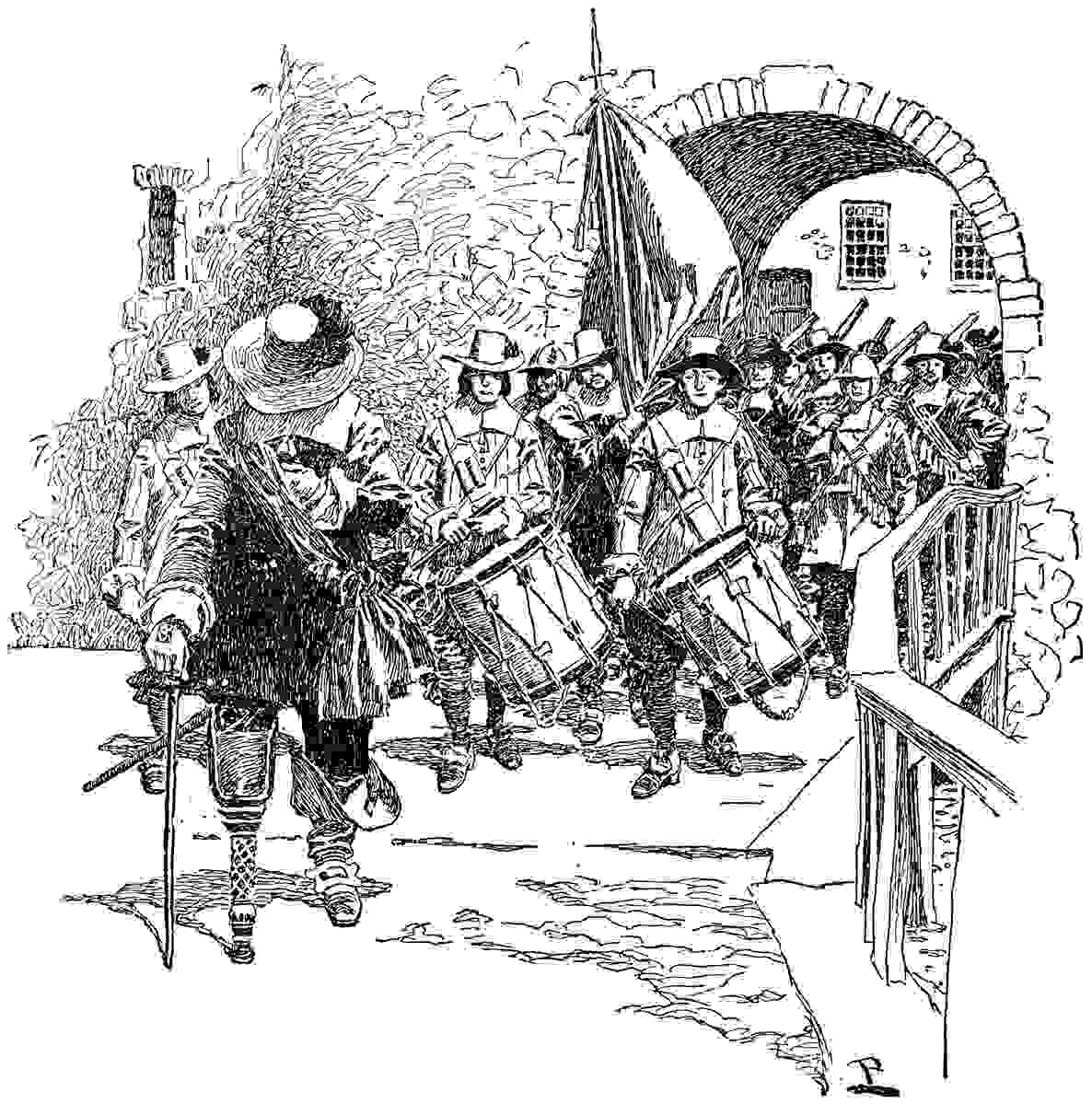
That Insignificant Dutch Colony of New Amsterdam becomes New York City

Wall Street was not always just the New York Stock Exchange, in the 1600’s, it got its name because it WAS THE CITY WALL protecting the Dutch West India Company’s colony of New Amsterdam.  In the 1600s, the English and the Dutch were major commercial rivals (Dutch West India Company vs English East India Company).  …

Mathew Hopkins — Witchfinder General under King James

In James I’s England, the witch became a powerful symbol of those hated forces that opposed the king. During the English Civil War, the “Witchfinder General,” Matthew Hopkins, was responsible for the hanging more than 300 women between 1644 and 1646. James I, linked religious subversion with political subversion, usurpation, and the attack on monarchical …

The Headless Hessian – Perhaps the Real-Life Inspiration Behind the Legend of Sleepy Hollow

Following defeats in Brooklyn and Manhattan, the American army was forced to flee into Westchester County, New York (AKA Sleepy Hollow) after having been routed by William Howe’s combined British and Hessian forces in New York City.  General Howe has sailed a formidable force up the Hudson River and landed several thousand troops behind Washington’s …

Grave Robbers

As science shifted from the “exact sciences” pushed forward by the church and based not on observation but on theological premise toward “empirical sciences” focused on observation, experimentation, and challenge, new problems arose.  Throughout antiquity, doctors need not sully themselves with knowing the form and structure of the body, they delt in elegant theories like …