
When reenacting or acting as a historical interpreter, its good to have a few historical dates and stories to share. This series will publish a few. Medical Ketchup During the 1800’s ketchup was used for medicinal purposes. Want to Buy Beer from the Colonial Brewmeister? Help us build a Tavern and Brewery. Visit our GoFundMe …
Author Archives: Michael Carver
Historical Tidbits
When reenacting or acting as a historical interpreter, its good to have a few historical dates and stories to share. This series will publish a few. September 20, 1777 Massacre at Paoli On the evening of September 20, 1777, near Paoli, Pennsylvania, General Charles Grey and nearly 5,000 British soldiers launch a surprise attack …
Early Meteorology — Predicting the Weather 18th Century Style: scientific beginnings in England

The shift from superstition to scientific study of meteorology began when proper measuring instruments became available in the mid-17th century. By the early 18th century, Daniel Fahrenheit produced accurate mercury thermometers calibrated to a standard scale that ranged from 32 to 96 degrees (i.e., from the melting point of ice to body temperature). Early work …
Making Whiskey

Whiskey’s origin lies somewhere between 1,000 and 1,200 AD when traveling monks migrating across Europe, introduced the distillation practice into Scotland and Ireland. Because of the lack of vineyards in these countries, the monasteries turned to fermenting grain mashes and then distilling them into whiskey. For the next 400 years, whiskey spread throughout the Celtic countries. …
Colonial Spymaster (#2) — Caesar Cypher
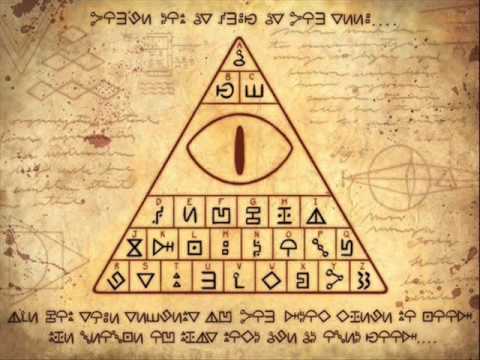
The Caesar cypher is one of the earliest known and simplest cyphers. It is a type of substitution cipher in which each letter in the plaintext is ‘shifted’ a certain number of places down the alphabet. For example, with a shift of 1, A would be replaced by B, B would become C, and so …
Basic Colonial Brewing #18 — Proof your Whiskey, Sir

When it comes to arcane historical terms for spirits and other alcohol, proof is one of the frustrating ones. In our modern vernacular, with the blessing of modern analytical chemistry as support, we simply think of “proof” as two times the alcohol by volume (ABV). But why is this measure even a thing? After all, …
Continue reading “Basic Colonial Brewing #18 — Proof your Whiskey, Sir”
Colonial Spymaster (#1) — Codes and Cyphers in the Continental Army
Going into the Revolution, Americans were at a huge disadvantage to the European powers when it came to cryptography, many of which had been using secret offices where sensitive letters were opened and deciphered by public officials for centuries. It was not uncommon for the messages of Revolutionary leaders and American diplomats to be intercepted …
Continue reading “Colonial Spymaster (#1) — Codes and Cyphers in the Continental Army”
MEXICAN Independence Day
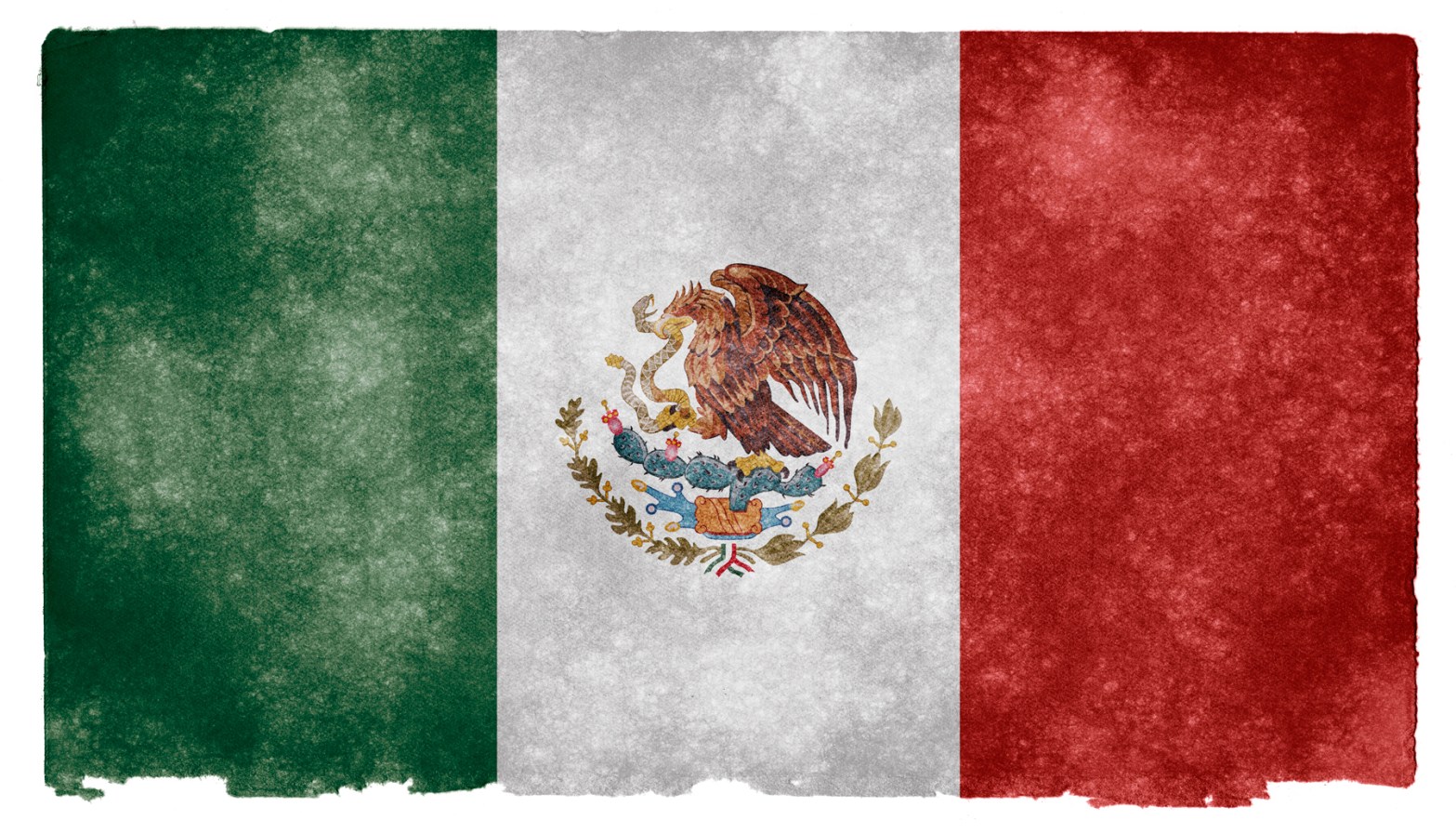
Mexico was a colony of Spain for over 300 years. The native population was oppressed, farmland and personal wealth were confiscated and only Spaniards were allowed to hold political posts. On September 16, 1810, a Catholic priest in the town of Dolores named Miguel Hidalgo y Costilla rang his church’s bell and delivered a speech …
Historical Tidbits
When reenacting or acting as a historical interpreter, its good to have a few historical dates and stories to share. This series will publish a few. September 16, 1779 Failed Siege of Savannah The Siege of Savannah was also known as the Second Battle of Savannah. The year before, the city had been captured by …
Early Meteorology — Predicting the Weather 18th Century Style: old wives tales and superstitions
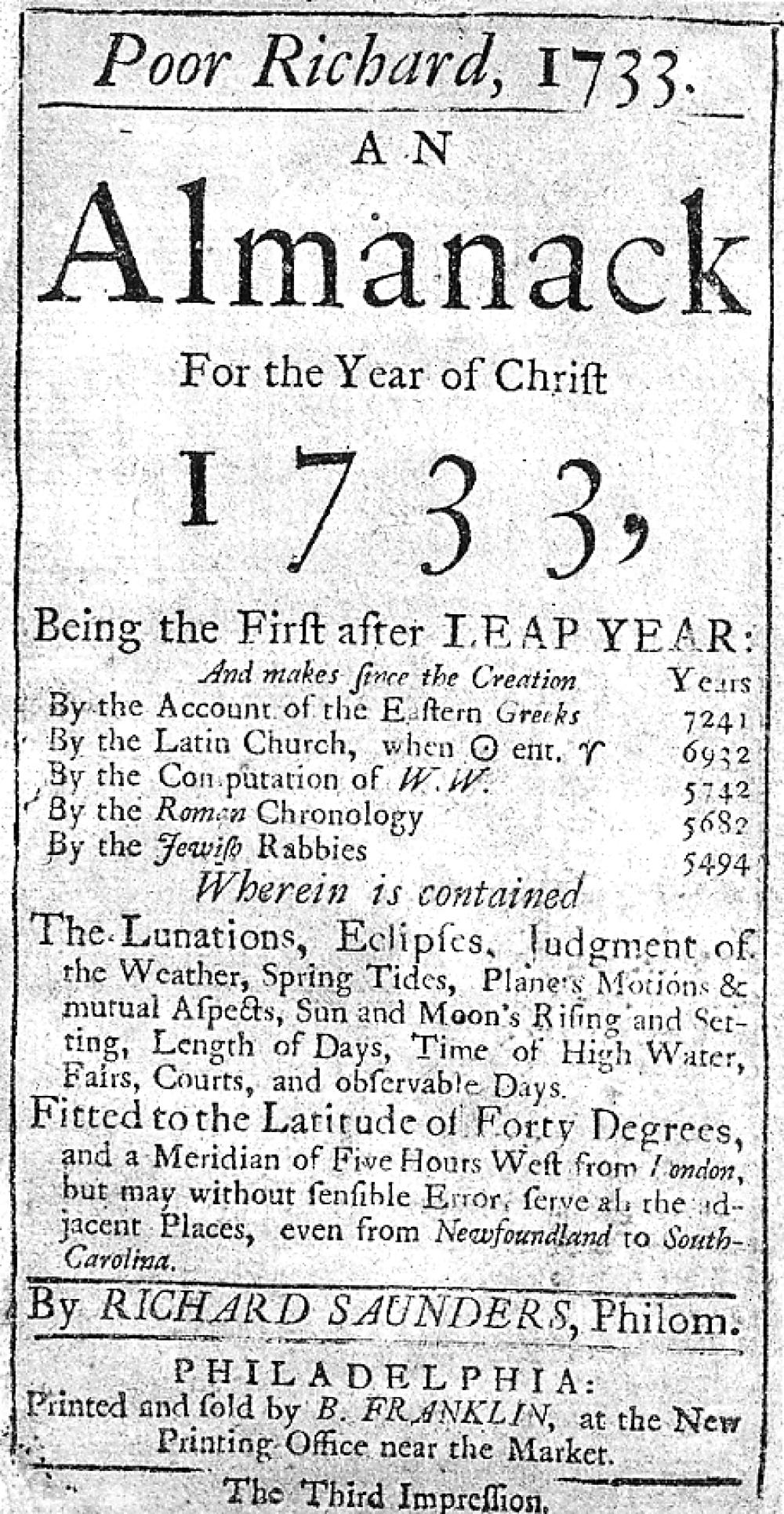
In the 18th century, families relied on almanacs to help them make many weather and seasonal decisions, such as when they should plant their crops or travel. However, almanacs only gave a long-term idea of what the weather might be based on weather in the past. Furthermore, in an age where all travel, especially by …

