

When reenacting or acting as a historical interpreter, its good to have a few historical dates and stories to share. This series will publish a few. August 31, 1786 – SHAY’S REBELLION: Enraged by high debts and Massachusetts increased efforts to collect taxes, Captain Daniel Shay (Continental Army) led an armed mob to disrupt the …
Author Archives: Michael Carver
Odessa Brewfest

The Regimental Brewmeister will be a the Historic Odessa Brewfest on September 6. Please come out!If you have ever wanted to learn to brew as it was done in 1770, I am still looking for team members. https://michaelcarver6048518.wordpress.com/wp-admin/post.php?post=61874&action=edit Want to have the Regimental Brewmeister at your site or event? You can hire me. https://colonialbrewer.com/yes-you-can-hire-me-for-your-event-or-site/
Beer Recipe: Kartoffelferienbier

Potatoes are native to the Americas and were first brought to Europe by the Spanish Conquistadors during the mid-16th century. The English buccaneer, Sir Walter Raleigh, is known to have gifted them to Queen Elizabeth as an American delicacy. Since then, potatoes have become a staple food source for many people all over the world. We …
Basic Colonial Brewing #16 — Making Sense of the Beer Menu
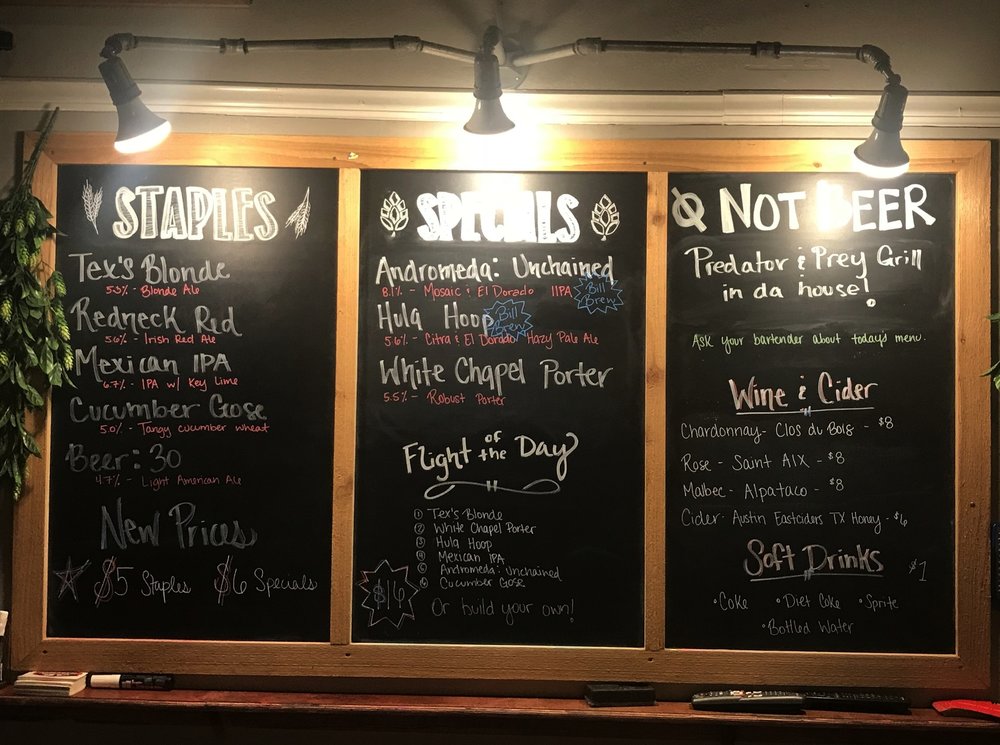
I am going to deviate from my normal focus on the 18th Century to discuss some brewing terminology that seems to be confusing people in craft brew pubs. The other day, my wife and I visited a brewery and her questions about the beer menu prompted me to clarify some jargon that are too often …
Continue reading “Basic Colonial Brewing #16 — Making Sense of the Beer Menu”
The Yeast Ring
This year, I am adding a somewhat archaic bit of brewing equipment to the gear brought out by the Regimental Brewmiester. The yeast ring or gjarkrans is a piece of traditional brewing gear from medieval Sweden and Denmark. This tool resembles a complicated wreath of small pieces of whittled wood. Yeast harvested from one batch …
Historical Tidbits — BATTLE OF BROOKLYN
When reenacting or acting as a historical interpreter, its good to have a few historical dates and stories to share. This series will publish a few. August 27, 1776 – BATTLE OF BROOKLYN – Following the evacuation of Boston by the British, General Washington relocated the Continental Army to New York City. The British landed …
Historical Tidbits — Battle of Long Island
When reenacting or acting as a historical interpreter, its good to have a few historical dates and stories to share. This series will publish a few. August 27, 1776 Battle of Long Island After the British evacuation from Boston in March, the British general Lord William Howe moved to occupy New York City under the …
Continue reading “Historical Tidbits — Battle of Long Island”
Captain Cook sailed with Spruce Beer

On August 26, 1768 Captain Cook departed England on his famous voyage aboard the Endeavor. Believing in the healthful qualities of Beer, Cook took along 4 tons of spruce beer. It didn’t last. He had to make several stops along the way to brew more including one notable stop in New Zealand. Want to have …
Historical Tidbits — British take possession of New York City
When reenacting or acting as a historical interpreter, its good to have a few historical dates and stories to share. This series will publish a few. August 26, 1776 British take possession of New York City Having defeated the Continental Army on Long Island and pursuing them into upstate New York, General Howe established a …
Continue reading “Historical Tidbits — British take possession of New York City”
Proper Salutes in the British Army

In 1740, the “French salute”, or greeting another by kissing them on the cheek, started to become fashionable in London. With the Seven Years War (AKA French and Indian War), the “French salute” quickly became controversial, being called unEnglish. Encouraged instead was the “old English” way of “pulling off a Hat. For the British, removing your …
 Michael Carver -- Historical Interpreter/Reenactor