

We are on the eve of a very important election. Much has been said about the Constitution and what is Constitutional so let’s take a few weeks and look at the foundational letters written by Madison, Hamilton, and Jay arguing for the creation of the US Constitution. The comment tab is open. Please share your …
Author Archives: Michael Carver
Tavern at Siege Weekend was Great Success
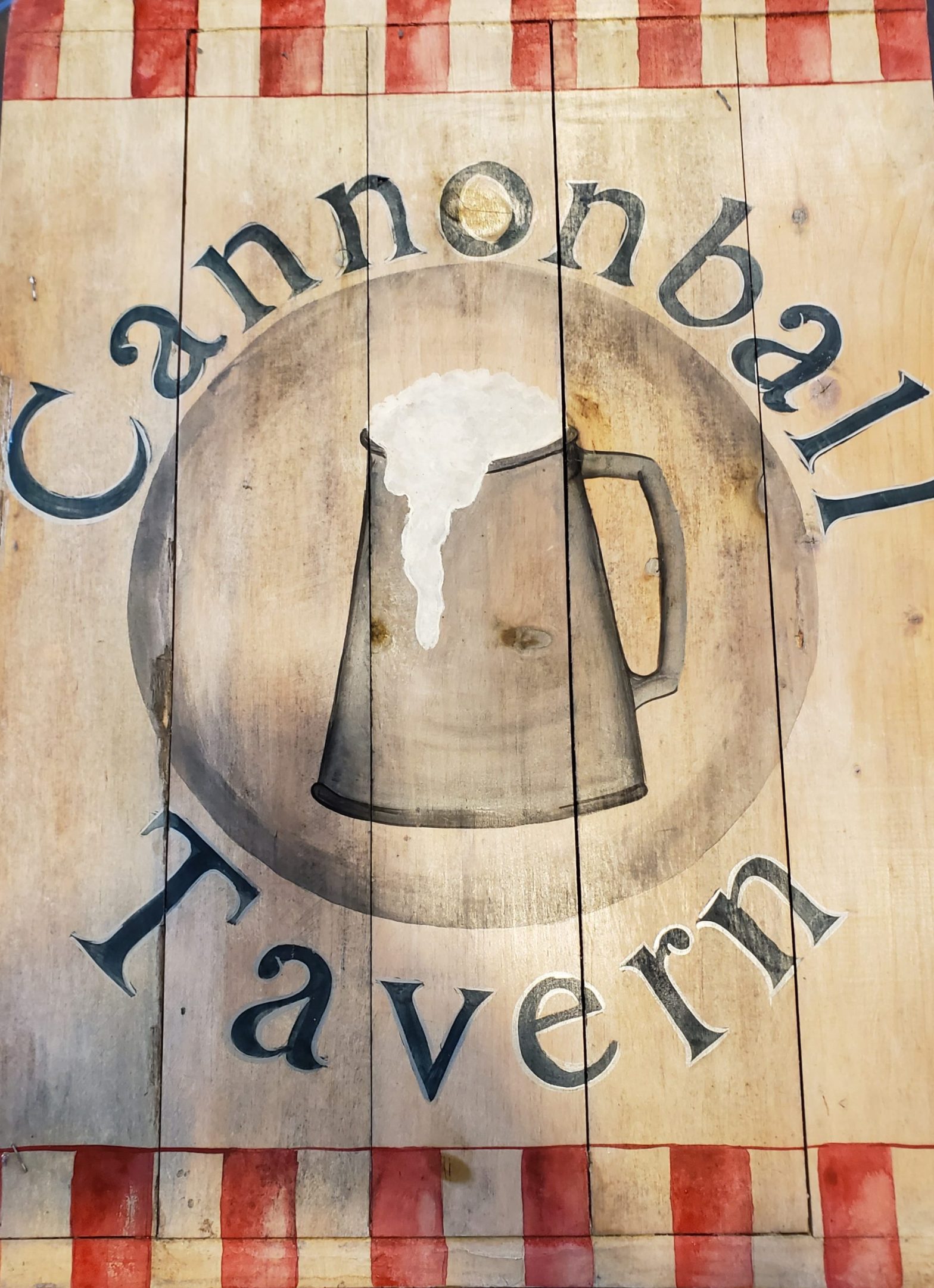
For both days of the Siege this weekend, we assembled and ran a tavern. Admittedly, it was Loyalist Country and the abiding presence of the 1NJV and various Privateers may have limited how many Continental soldiers were present but we had a great experience and I have been asked by many to ensure that this …
Continue reading “Tavern at Siege Weekend was Great Success”
Historical Tidbits

When reenacting or acting as a historical interpreter, its good to have a few historical dates and stories to share. This series will publish a few. November 16, 1776 Fort Washington taken by British After winning a major victory on Long Island the British began to move against Manhattan in mid-September. Unwilling to abandon New York …
Historical Tidbits
When reenacting or acting as a historical interpreter, its good to have a few historical dates and stories to share. This series will publish a few. November 16, 1777 Siege Fort Mifflin On September 22, Howe succeeded in achieving an uncontested crossing of the Schuylkill River and four days later occupied Philadelphia. Having taken the city, …
Antifederalist No. 46 — Where Then Is the Restraint?
This essay by “An Old Whig” (see AFP #’s Nos. 18-20, 49, 50, and 70) appeared in the Maryland Gazette and Baltimore Advertiser on Nov. 2, 1788. Let us look to the first article of the proposed new constitution, which treats of the legislative powers of Congress; and to the eighth section, which pretends to …
Continue reading “Antifederalist No. 46 — Where Then Is the Restraint?”
FEDERALIST No. 46: The Influence of the State and Federal Governments Compared
We are on the eve of a very important election. Much has been said about the Constitution and what is Constitutional so let’s take a few weeks and look at the foundational letters written by Madison, Hamilton, and Jay arguing for the creation of the US Constitution. The comment tab is open. Please share your …
Continue reading “FEDERALIST No. 46: The Influence of the State and Federal Governments Compared”
We’re Creating a Brewery and You can help

Want to Buy Beer from the Colonial Brewmeister? Help us build a Tavern and Brewery. Perhaps it the pandemic or years of working a job that while I am good at it, I really don’t love but next year, we are taking the plunge and building a new business. In 2026 America will celebrate its …
Continue reading “We’re Creating a Brewery and You can help”
Historical Tidbits
When reenacting or acting as a historical interpreter, its good to have a few historical dates and stories to share. This series will publish a few. November 15, 1777 – Articles of Confederation, the first US Constitution, is passed on this date in 1777. Two days later, the Continental Congress sent the Articles to the …
FEDERALIST No. 45: The Alleged Danger From the Powers of the Union to the State Governments.
We are on the eve of a very important election. Much has been said about the Constitution and what is Constitutional so let’s take a few weeks and look at the foundational letters written by Madison, Hamilton, and Jay arguing for the creation of the US Constitution. The comment tab is open. Please share your …
FEDERALIST No. 44: Restrictions on the Authority of the States
We are on the eve of a very important election. Much has been said about the Constitution and what is Constitutional so let’s take a few weeks and look at the foundational letters written by Madison, Hamilton, and Jay arguing for the creation of the US Constitution. The comment tab is open. Please share your …
Continue reading “FEDERALIST No. 44: Restrictions on the Authority of the States”

