Ruffles have Ridges … and so do US Coins!

When the U.S. Mint opened in Philadelphia, coins were made of copper, silver, and gold, in accordance with the Coinage Act of 1792. Because these coins were made of precious metal, their value was directly related to the amount of metal they contained.  Unfortunately, these coins were also vulnerable to a practice known as “clipping.”  Clipping …

Ridges and Other Markings on Coins were Introduced by Isaac Newton

In 1696, Sir Isaac Newton was tapped as the Warden of the Royal Mint.  These positions were, typically, considered ceremonial government honors for those citizens who had already aspired to greatness rather that real responsibilities. But Newton saw that the country had a massive counterfeit coin problem and took actions to address it.  You have …

The New Nation Needed SPECIE Coinage

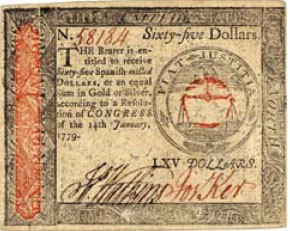
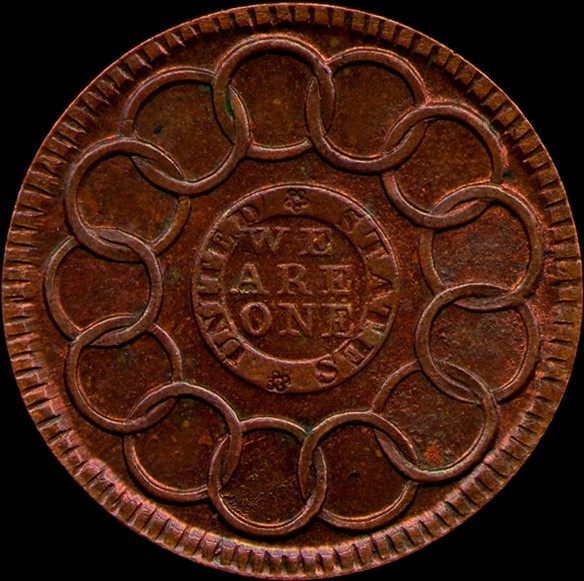
Because of a shortage of hard currency, most of the colonies issued paper currency prior to the American Revolution.  This coupled with an ongoing trade that often involved various foreign currencies, was sufficient for most trade as we had a largely barter driven economy.  When war broke out with Great Britian, the Continental Congress grappled …

Long Before the ERA, David Rittenhouse Provided Government Jobs for Women

At a time when gender roles were very strict and women generally did not work outside a few very limited industries, David Rittenhouse, the first director of the US Mint, hired women onto the production staff.  In 1795, Sarah Waldrake and Rachael Summers were hired as adjusters making the US Mint the first federal agency …

Tranquil Gardens within Independence National Historical Park

We often go to Independence National Historical Park just to see the big historic sites but its good to remember that this is also a very tranquil park (when you get away from the tourist).  Next time you are there, take some time to visit the gardens. 18th Century Garden The 18th Century Garden showcases …

Excise is defined as a “hateful tax levied upon commodities, and adjudged not by the common judges of property, but wretches hired by those to whom excise is paid.”

There remains a stubborn perception that somehow Noah Webster wrote the first American dictionary. This is actually not true.  There were many dictionaries written in the 18th Century and the premier edition was written by Samuel Johnson. In June 1746, Samuel Johnson signed the contract with a group of booksellers in London to write A …

Benedict Arnold was not Alone in his Treason

Colonel Rudolphus Ritzema was an American officer in the New York Line during the American Revolutionary War, and later changed sides, serving as a lieutenant colonel in a British regiment. On June 30, 1775, Ritzema was appointed lieutenant colonel of the 1st New York Regiment. In July he seized British armaments in New York City. On November 28, 1775 he was …

Historical Tidbits — Indemnity Act

When reenacting or acting as a historical interpreter, its good to have a few historical dates and stories to share. This series will publish a few. June 29, 1767 The Indemnity Act –reduced taxes on the British East India Company when they imported tea into England. This allowed them to re-export the tea to the colonies more …

Historical Tidbits — Customs Act

When reenacting or acting as a historical interpreter, its good to have a few historical dates and stories to share. This series will publish a few. June 29, 1767 The Commissioners of Customs Act — created a new Customs Board for the North American colonies, to be headquartered in Boston with five customs commissioners. The …