
On flag day, we should address the elephant in the room. Some of these elephants get really upset when our national symbol is publicly burned. They are fools! When our flag is retired, it should be cremated. Yes – burned; never thrown out like garbage. Sure, its just a piece of cloth but this simple …
Author Archives: Michael Carver
Historical Tidbits — Creation of Continental Army

When reenacting or acting as a historical interpreter, its good to have a few historical dates and stories to share. This series will publish a few. June 14, 1775 – The Second Continental Congress creates the Continental Army. Six companies of riflemen are then dispatched to Boston. When the American Revolutionary War broke out in …
Continue reading “Historical Tidbits — Creation of Continental Army”
A Gentleman, Scholar, Soldier and a BREWER!

Timothy Matlack (March 28, 1736 – April 14, 1829) was a brewer and beer bottler who emerged as a popular and powerful leader in the American Revolutionary War, Secretary of Pennsylvania during the war, and a delegate to the Second Continental Congress in 1780. He became one of Pennsylvania’s most provocative and influential political figures, …
Continue reading “A Gentleman, Scholar, Soldier and a BREWER!”
Burn Baby Burn
On flag day, we should address the elephant in the room. Some of these elephants get really upset when our national symbol is publicly burned. They are fools! When our flag is retired, it should be cremated. Yes – burned; never thrown out like garbage. Sure, its just a piece of cloth but this simple …
Betsy Ross DID NOT make the First Flag of the United States

There simply is no credible historical evidence — letters, diaries, newspaper accounts, bills of sale — that Betsy Ross, then known as Elizabeth Claypoole, either made or had a hand in designing the American flag in 1777. That said, her story is a very tenacious piece of fiction and popular American Myth that is constantly …
Continue reading “Betsy Ross DID NOT make the First Flag of the United States”
Spy vs Spy: George Washington’s and King George’s Spies (#3)
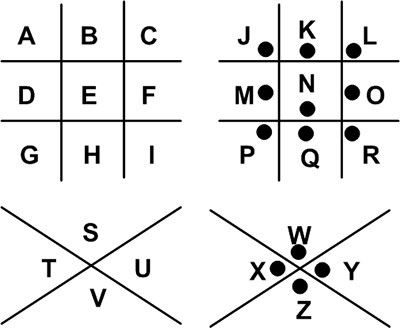
Double Agent — Major John Clark John Clark was commissioned as a first lieutenant in the 1st Continental Infantry (Pennsylvania Rifles) on January 1, 1776, and was made a major of the 2nd Pennsylvania Battalion of the Flying Camp on September 14, 1776. He originally came to the attention of George Washington during the evacuation …
Continue reading “Spy vs Spy: George Washington’s and King George’s Spies (#3)”
The Cordwainer
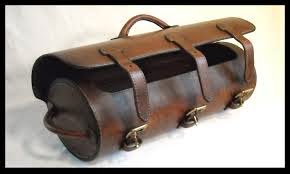
The English term cordwainer first appears in 1100. Since this date the term cordouan, or cordovan leather, has been applied to several varieties of leather. Today cordovan leather is a vegetable tanned horse “shell,” and like the Medieval cordwain is used only for the highest quality shoes. Since the Middle Ages the title of cordwainer …
Spy vs Spy: George Washington’s and King George’s Spies (#2)
America’s Most Famous Spy — Nathan Hale In the early years of the Revolutionary War, spying was not exactly considered honorable. Nathan Hale, however, volunteered to spy on the British Army after reportedly confiding in his classmate that he longed to be useful to the American cause. He joined the Connecticut militia, becoming a First …
Continue reading “Spy vs Spy: George Washington’s and King George’s Spies (#2)”
Spy vs Spy: George Washington’s and King George’s Spies (#1)
America’s Most Famous Spy — Dr. Benjamin Church Long before Benedict Arnold defected to the British, Benjamin Rush committed treason against the Continental Congress and the Army. Like Arnold, Benjamin Church seemed the paragon of the patriot cause but he was likely paid for his treason and ultimately died in disgrace. Church was a member …
Continue reading “Spy vs Spy: George Washington’s and King George’s Spies (#1)”
Historical Tidbits — The Lightning Experiment
When reenacting or acting as a historical interpreter, its good to have a few historical dates and stories to share. This series will publish a few. June 10, 1752 – Benjamin Franklin demonstrates that lightning is a form of electricity. This kite experiment will make Mr. Franklin one of the most famous men in the …
Continue reading “Historical Tidbits — The Lightning Experiment”
 Michael Carver -- Historical Interpreter/Reenactor