

When reenacting or acting as a historical interpreter, its good to have a few historical dates and stories to share. This series will publish a few. February 6, 1778 ALLIANCE with FRANCE Treaty of Alliance The most Christian King and the United States of North America, to wit, New Hampshire, Massachusetts Bay, Rhodes island, Connecticut, …
Category Archives: General history
Historical Tidbits
When reenacting or acting as a historical interpreter, its good to have a few historical dates and stories to share. This series will publish a few. February 4, 1789George Washington is unanimously elected President of the United States. With 69 electoral votes, Washington won the support of each participating elector. No other president since has …
THE BILL OF RIGHTS: A BRIEF HISTORY #3

Insurrections often are propagated upon misinformation. So too are the most recent band of domestic terrorist who like to hide behind our most sacred American institutions. In this series, I want to explore the Bill of Rights and why some of the hype and hyperbole thrown around by the extremist is not just wrong but …
New Amsterdam (present-day New York) becomes a city (2/2/1653)

Between 1626 and 1664, the main town of the Dutch colony of New Netherland was New Amsterdam, now called Manhattan. Peter Minuit, Director of the Dutch West India Company, met with Indigenous peoples and purchased Manhattan for trinkets equivalent to several thousand dollars today. The land was quickly settled. The colony of New Netherland extended …
Continue reading “New Amsterdam (present-day New York) becomes a city (2/2/1653)”
Historical Tidbits
When reenacting or acting as a historical interpreter, its good to have a few historical dates and stories to share. This series will publish a few. February 2, 1790US Supreme Court meets for the first time under the new US Constitution at the Merchants Building in New York City. The Supreme Court was established in …
So You Think RENEWABLE Energy is a New Thing?

When George Washington was elected president in 1790, he chose Alexander Hamilton to be the first Secretary of the Treasury. Hamilton served in this capacity until 1795 and during this time he set our modern banking system, establishing the federal budget process, and established the Bank of the United States. At the time, there were …
Continue reading “So You Think RENEWABLE Energy is a New Thing?”
Guy Fawkes is Executed January 31, 1606 (Julian Calendar)
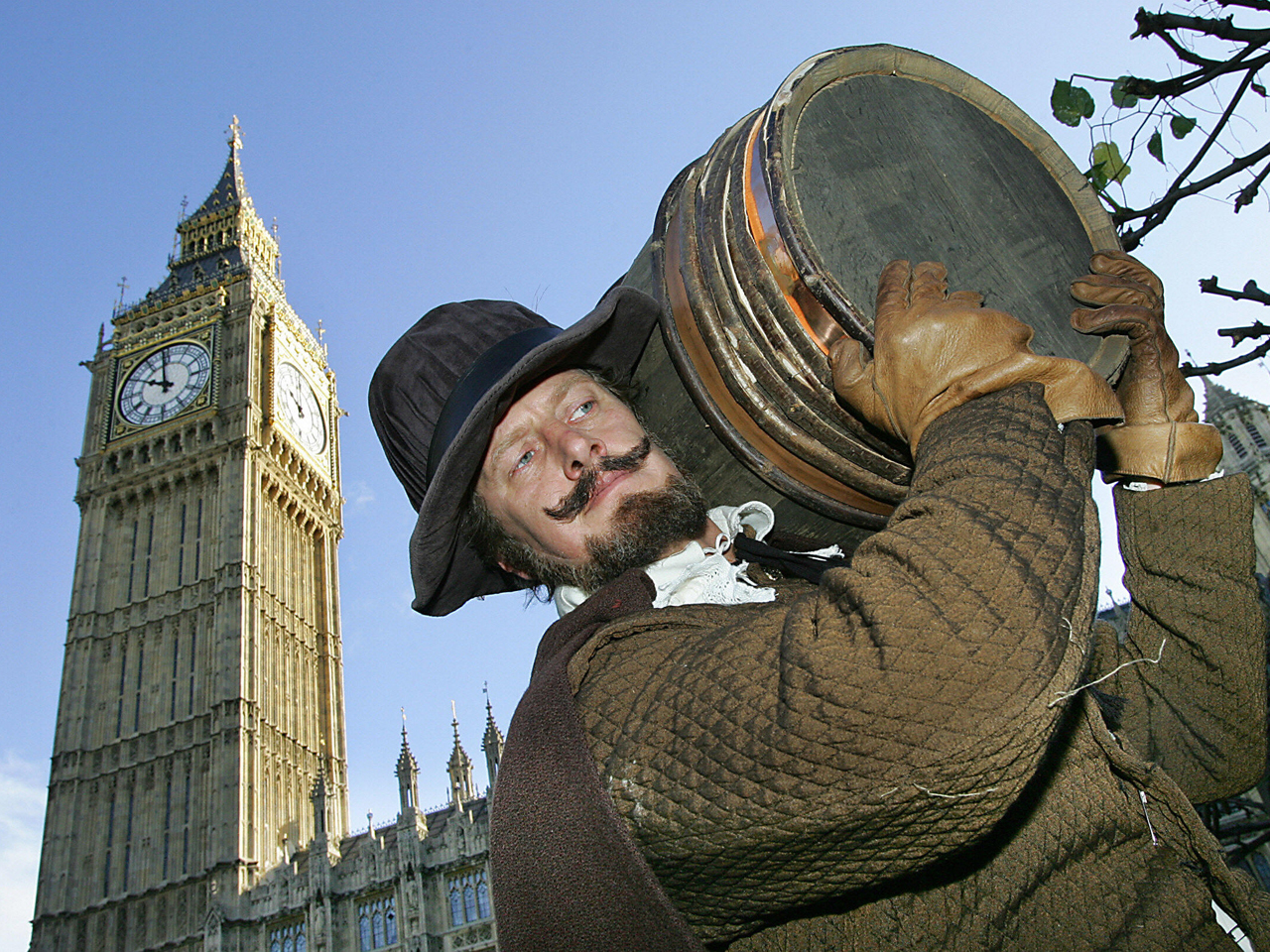
Remember, Remember, the Fifth of November, Gunpowder, Treason and Plot… Everyone remembers the infamous day (or should) when Guy Fawkes attempted to violently overthrow King and Parliament with 36 barrels of gunpowder and a lit fuse. Few people remember that this was the beginning of Fawkes demise not the end. He and his conspirators, Robert …
Continue reading “Guy Fawkes is Executed January 31, 1606 (Julian Calendar)”
THE BILL OF RIGHTS: A BRIEF HISTORY #2
Insurrections often are propagated upon misinformation. So too are the most recent band of domestic terrorist who like to hide behind our most sacred American institutions. In this series, I want to explore the Bill of Rights and why some of the hype and hyperbole thrown around by the extremist is not just wrong but …
A little Fun — 18th Century Emoji
One of the great services a Colonial Tavern would perform is to provide news and newspapers, often read aloud, to both travelers and locals. Good newspapers have editorials and/or political cartoons. In researching political cartoons from the Revolutionary War period, I found three which could easily be argued to have been written in emoji. Sorry …
The original “Doctor Death”
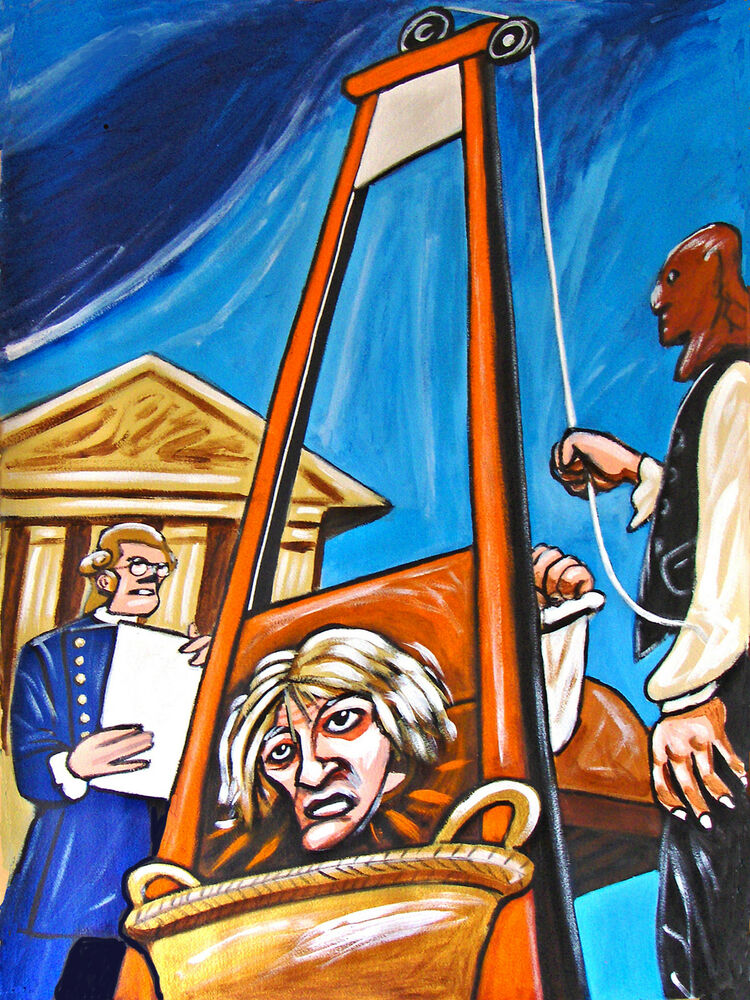
During the 1700’s, executions in France were public events where entire towns gathered to watch. A common execution method for a poor criminal was quartering, where the prisoner’s limbs were tied to four oxen, then the animals were driven in four different directions ripping the person apart. Upper-class criminals could buy their way into a …
 Michael Carver -- Historical Interpreter/Reenactor