When Jacques Cartier sailed up the St. Lawrence River in 1535 in search of the Northwest Passage, he met 50 canoes filled with Micmac Indians, who signaled a desire to trade by waving furs on sticks. This began the very fruitful trade between Canada’s First Peoples and the Europeans, first the French and later the …
Category Archives: General history
Historical Tidbits — Fort Montgomery and Fort Clinton taken
When reenacting or acting as a historical interpreter, its good to have a few historical dates and stories to share. This series will publish a few. October 6, 1777 Fort Montgomery and Fort Clinton taken On October 6, 1777, the British Army, led by Henry Clinton, attacked Forts Montgomery and Clinton, supported by cannon fire …
Continue reading “Historical Tidbits — Fort Montgomery and Fort Clinton taken”
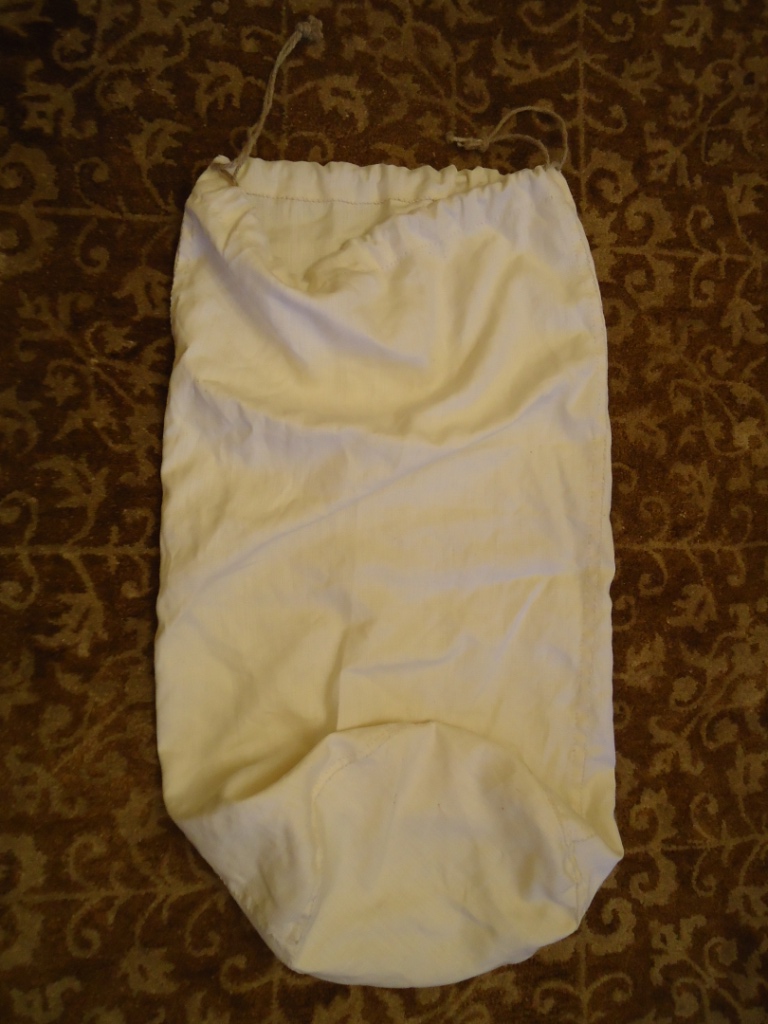
Every Wonder Why We Call it a “Duffle” Bag?
If you make your tent out of ordinary “canvas” you are going to get wet in the rain. Canvas is a stout cloth, probably named after cannabis (Latin: “hemp”), made by tightly weaving material, mostly cotton, wool, and linen. This definition has not been that precise forever since the word canvas has come to signify …
Continue reading “Every Wonder Why We Call it a “Duffle” Bag?”
Historical Tidbits — Battle of Germantown
When reenacting or acting as a historical interpreter, its good to have a few historical dates and stories to share. This series will publish a few. October 4, 1777 Battle of Germantown After taking the American capital, British General Sir William Howe positioned two brigades and a contingent of Hessians troops in Germantown. Much like …
Continue reading “Historical Tidbits — Battle of Germantown”
Colonial Spymaster (#12) — Disguises
If you are routinely going places where the enemy discusses, either intentionally or unintendedly, matters of military or political significance, you may wish to remain anonymous. To do this, spies employ disguises. The most common disguise is to simply change your clothes. Sometimes soldiers sent on reconnaissance missions would wear civilian clothes such as when …
US Marines in the American Revolution –The Evacuation of Fort Billingsport
2 October 1777 Defenses along the Delaware River were planned to protect Philadelphia, the capital of the new republic, against a possible invading naval force. Aware of these defenses, the British entered the Chesapeake and took the capital by the land route. By late September 1777, the enemy was in the rear of these defenses …
Continue reading “US Marines in the American Revolution –The Evacuation of Fort Billingsport”
What the Hell is a Haversack?
Hang around any group of reenactors and you will always see them with a haversack. Even though most of us throw our car keys and wallet in there, it’s not a purse. It’s an essential piece of military kit that dates back to the Middle Ages. The haversack gets its name from the Dutch word …
Camp Hill and Fort Washington, PA
Following the September 11, 1777 Battle of Brandywine, the British Army occupied Philadelphia. Camp Hill was one of three adjacent hills outside the city held by General George Washington and 11,000 Continental troops, beginning November 2, 1777. The others were Militia Hill, to the west, now part of Fort Washington State Park; and Fort Hill, …
Historical Tidbits — SHAY’S REBELLION
When reenacting or acting as a historical interpreter, its good to have a few historical dates and stories to share. This series will publish a few. August 31, 1786 – SHAY’S REBELLION: Enraged by high debts and Massachusetts increased efforts to collect taxes, Captain Daniel Shay (Continental Army) led an armed mob to disrupt the …
Historical Tidbits — Battle of Long Island
When reenacting or acting as a historical interpreter, its good to have a few historical dates and stories to share. This series will publish a few. August 27, 1776 Battle of Long Island After the British evacuation from Boston in March, the British general Lord William Howe moved to occupy New York City under the …
Continue reading “Historical Tidbits — Battle of Long Island”