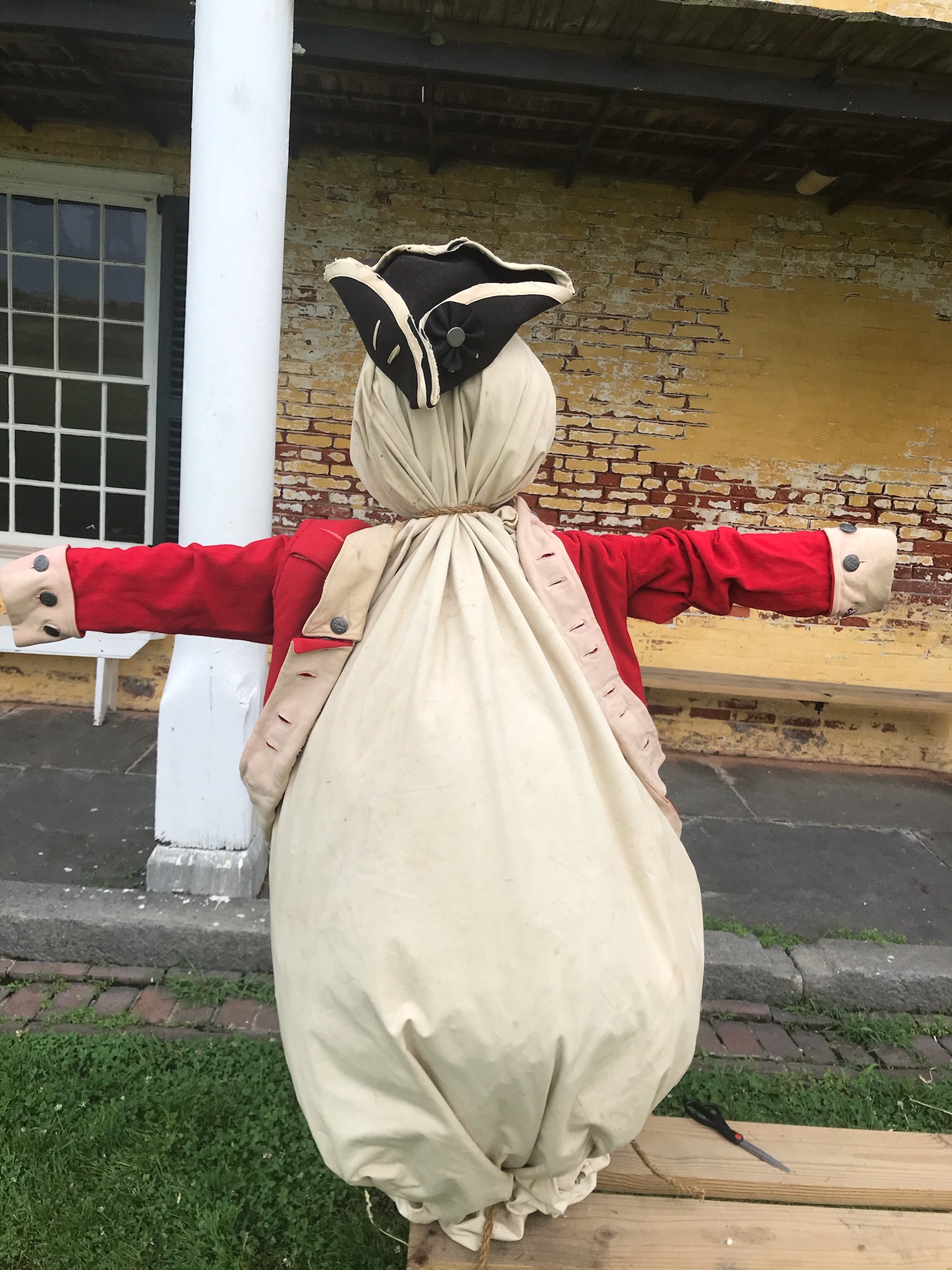
When you visit Copp’s Hill Burial Ground in Boston, you will see gravestones with pockmarks from musket balls, made when Redcoats used the graveyard as a target range. Yes, soldiers didn’t just point their muskets, they took aim and most of the King’s soldiers were surprisingly accurate shots given the limitations of smoothbore muskets. Pockmarks …
Category Archives: General history
Historical Tidbits — Independence Day
When reenacting or acting as a historical interpreter, its good to have a few historical dates and stories to share. This series will publish a few. July 2, 1776 – “The Second Day of July 1776, will be the most memorable Epocha, in the History of America. —I am apt to believe that it will …
Historical Tidbits — Customs Act
When reenacting or acting as a historical interpreter, its good to have a few historical dates and stories to share. This series will publish a few. June 29, 1767 The Commissioners of Customs Act — created a new Customs Board for the North American colonies, to be headquartered in Boston with five customs commissioners. The …
Historical Tidbits — Battle of Monmouth
When reenacting or acting as a historical interpreter, its good to have a few historical dates and stories to share. This series will publish a few. June 28, 1778 Battle of Monmouth The new British commander, Lieutenant General Henry Clinton, received orders to follow a defensive strategy and consolidate forces in New York City. He …
Why Do We Fold the American Flag into a Triangle?
Actually, tradition calls for us to fold the flag into the shape of a tri-cornered hat, the kind worn by George Washington and other soldiers who served in the Continental Army during the Revolutionary War. While the troops carried a variety of flags during that war, the tradition of folding the flag in the manner …
Continue reading “Why Do We Fold the American Flag into a Triangle?”
“Seven Rations” for the 18th Century Soldier
For regiments of the British Army, each mess (five or six men) was issued one bowl, one platter, one ladle, one cooking kettle, six trenchers (a plate on one side and a bowl on the other), and spoons. Using this equipment, the men were to prepare, cook, and eat their “seven rations” of food. Each …
Continue reading ““Seven Rations” for the 18th Century Soldier”
Historical Tidbits — The Revenue Act
When reenacting or acting as a historical interpreter, its good to have a few historical dates and stories to share. This series will publish a few. June 26, 1767 The Revenue Act — placed taxes on glass, lead, painters’ colors, and paper. It gave customs officials broad authority to enforce the taxes and punish smugglers …
Historical Tidbits — District of Columbia
When reenacting or acting as a historical interpreter, its good to have a few historical dates and stories to share. This series will publish a few. June 20, 1790 – During a dinner meeting with Secretary of State Thomas Jefferson, Alexander Hamilton and James Madison drafted a bill to move the Federal Capital to a …
Continue reading “Historical Tidbits — District of Columbia”
Historical Tidbits — Great Seal of the United States of America
When reenacting or acting as a historical interpreter, its good to have a few historical dates and stories to share. This series will publish a few. June 20, 1782 – The US Congress officially adopts the Great Seal of the United States of America to be affixed to treaties and presidential proclamations. Both sides of …
Continue reading “Historical Tidbits — Great Seal of the United States of America”
Historical Tidbits — Washington chosen as Commander-in-Chief
When reenacting or acting as a historical interpreter, its good to have a few historical dates and stories to share. This series will publish a few. June 19, 1775 Washington chosen as Commander-in-Chief. When George Washington arrived at the Second Continental Congress in Philadelphia on May 9, 1775, he was placed on several committees …
Continue reading “Historical Tidbits — Washington chosen as Commander-in-Chief”