Historical Tidbits — When Rabbits Ruled the Netherlands

Okay, let’s be honest.  For people who don’t speak either English or German, learning Dutch is confusing. For starters, many Dutch words are hard to pronounce and because, like German, you combine nouns in Dutch, you end up with words that frankly make you give out an angstschreeuw (cry of fear). Then there are the …

Man Does Not Live on Beer Alone — Coffee

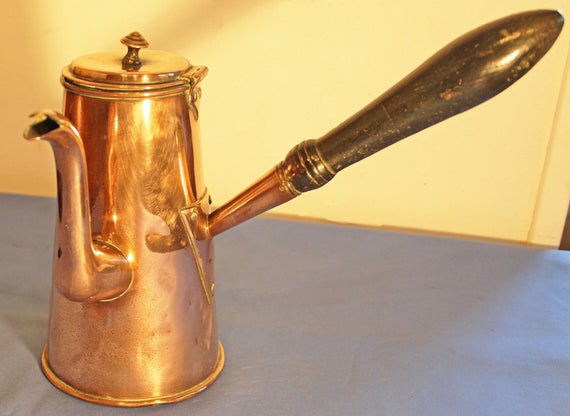
Coffee was most certainly a popular drink in the Americas in the 17th and 18th Centuries.  There are records of John Smith bringing coffee to the Jamestown Colony and even trading it with the Indians, but remember, the British were not the only colonial powers.  Coffee would not take on importance in the British Empire …

The Hawthorne Fence

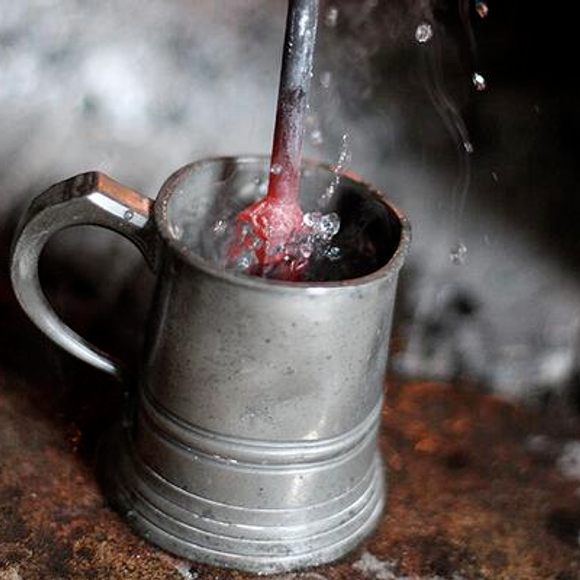
Early American settlers enjoyed fortifying their drinks. Stone fences mix hard cider and rum, shrubs mix wine with switchel, rattleskulls mix rum with beer, and the coo woo even fortifies brandy with rum.  Rum, whiskey, and other spirits were staple goods produced to help farmers ship bulky products like corn and sugar to distant markets.  …

American Historical Mythology

If you hang around Fort Mifflin very long you will, no doubt, be regaled with stories of the supernatural and the pseudoscience that supports its existence. These are all good fun but let’s be clear, SOME people actually believe these things and even though the scientifically minded dismiss THESE beliefs, they are quick to then …

That Insignificant Dutch Colony of New Amsterdam becomes New York City

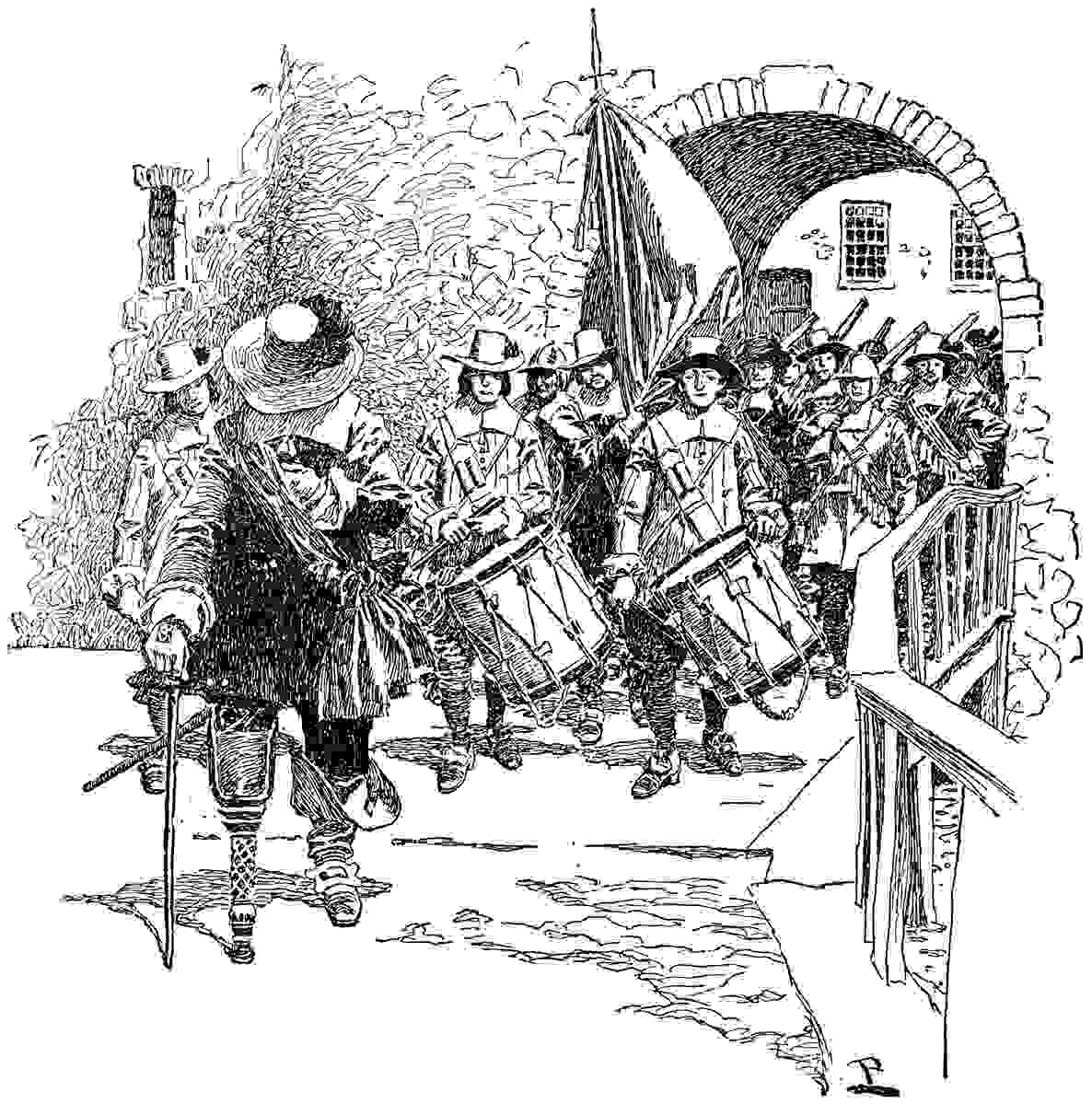
Wall Street was not always just the New York Stock Exchange, in the 1600’s, it got its name because it WAS THE CITY WALL protecting the Dutch West India Company’s colony of New Amsterdam.  In the 1600s, the English and the Dutch were major commercial rivals (Dutch West India Company vs English East India Company).  …

Historical Tidbits — Tattoo and Taps

When reenacting or acting as a historical interpreter, its good to have a few historical dates and stories to share. This series will publish a few. “Tattoo” is played in the evening signaling that all light in squad rooms should be extinguished and that all loud talking and other disturbances be discontinued within 15 minutes, …

The Headless Hessian – Perhaps the Real-Life Inspiration Behind the Legend of Sleepy Hollow

Following defeats in Brooklyn and Manhattan, the American army was forced to flee into Westchester County, New York (AKA Sleepy Hollow) after having been routed by William Howe’s combined British and Hessian forces in New York City.  General Howe has sailed a formidable force up the Hudson River and landed several thousand troops behind Washington’s …

Historical Tidbits — Liberty Bell Commissioned

When reenacting or acting as a historical interpreter, its good to have a few historical dates and stories to share. This series will publish a few. October 28, 1751              Liberty Bell Commissioned The Liberty Bell started out simply as the bell commissioned by the colonial legislature of Pennsylvania to hang in the steeple of the …

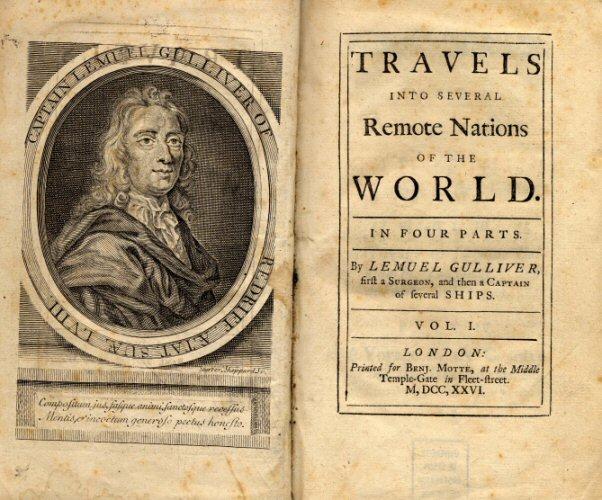
“Gulliver’s Travels” is first published on October 28th, 1726

Gulliver’s Travels, or Travels into Several Remote Nations of the World. In Four Parts. By Lemuel Gulliver, First a Surgeon, and then a Captain of Several Ships is Jonathan Swift’s best known work, and a classic of English literature but the Irish writer and clergyman didn’t write his “traveler’s tale” as a children’s book.  Swift …

Historical Tidbits — Battle of White Plains

When reenacting or acting as a historical interpreter, its good to have a few historical dates and stories to share. This series will publish a few. October 28, 1776              Battle of White Plains. Pursued by General Howe and his Hessian allies, George Washington retreated from New York following his defeats in Brooklyn and Manhattan.  When …