
We are on the eve of a very important election. Much has been said about the Constitution and what is Constitutional so let’s take a few weeks and look at the foundational letters written by Madison, Hamilton, and Jay arguing for the creation of the US Constitution. The comment tab is open. Please share your …
Category Archives: Ideas
Antifederalist Nos. 76-77 — An Antifederalist View of the Appointing Power under the Constitution
By Richard Henry Lee. . . . . In contemplating the necessary officers of the union, there appear to be six different modes in which, in whole or in part, the appointments may be made. 1. by the legislature; 2. by the president and the senate; 3. by the president and an executive council; 4. …
FEDERALIST No. 76: The Appointing Power of the Executive Federalist #1
We are on the eve of a very important election. Much has been said about the Constitution and what is Constitutional so let’s take a few weeks and look at the foundational letters written by Madison, Hamilton, and Jay arguing for the creation of the US Constitution. The comment tab is open. Please share your …
Continue reading “FEDERALIST No. 76: The Appointing Power of the Executive Federalist #1”
Author Jane Austen born (12/16/1775)
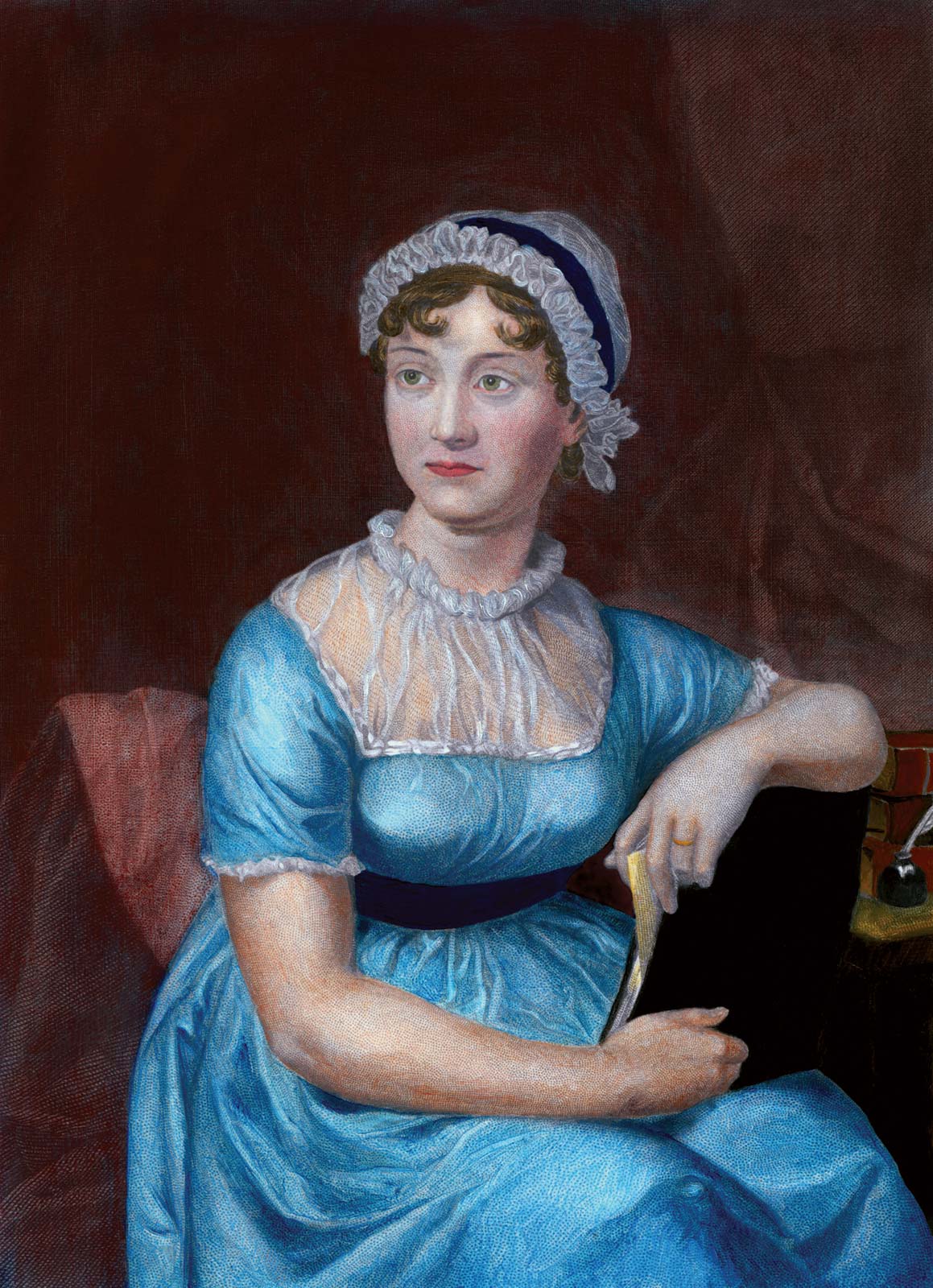
British novelist Jane Austen was born on December 16, 1775 and into a middle-class family in Steventon, Hampshire. She was the seventh of eight children born to Rev. George Austen and his wife Cassandra. Although she wrote only six novels and died in 1817 at the age of 41. Her works continue to inspire debate …
We’re Creating a Brewery and You can help

Want to Buy Beer from the Colonial Brewmeister? Help us build a Tavern and Brewery. Perhaps it the pandemic or years of working a job that while I am good at it, I really don’t love but next year, we are taking the plunge and building a new business. In 2026 America will celebrate its …
Continue reading “We’re Creating a Brewery and You can help”
Historical Tidbits

When reenacting or acting as a historical interpreter, its good to have a few historical dates and stories to share. This series will publish a few. December 15, 1776 General Lee captured General Charles Lee left his army and rode to Widow White’s Tavern in Basking Ridge, New Jersey, with a minimal guard. The following …
Antifederalist No. 45 — Powers of National Government Dangerous to State Governments; New York as an Example
Robert Yates, a delegate to the 1787 convention from New York, left on July 10, 1787. He became an Antifederalist leader. Under the nome de plume “Sydney” he wrote in the New York Daily Patriotic Register, June 13 and 14, 1788. Although a variety of objections to the proposed new constitution for the government of …
FEDERALIST No. 75: The Treaty-Making Power of the Executive
We are on the eve of a very important election. Much has been said about the Constitution and what is Constitutional so let’s take a few weeks and look at the foundational letters written by Madison, Hamilton, and Jay arguing for the creation of the US Constitution. The comment tab is open. Please share your …
Continue reading “FEDERALIST No. 75: The Treaty-Making Power of the Executive”
Bill of Rights Day — December 15, 1791

On December 15, 1791, the new United States of America ratified the Bill of Rights, the first ten amendments to the U.S. Constitution, confirming the fundamental rights of its citizens. The Bill of Rights draws influence and inspiration from the Magna Carta (1215), the English Bill of Rights (1689), and various later efforts in England …
Antifederalist No. 74 — The President as Military King
“Philadelphiensis,” who was influenced by Thomas Paine (in Common Sense), wrote the following selection. It is taken from 3 essays which appearing February 6 & 20, and April 9 of 1788 in either The Freeman’s Journal or, The North-American Intelligencer. Before martial law is declared to be the supreme law of the land, and your …
Continue reading “Antifederalist No. 74 — The President as Military King”
 Michael Carver -- Historical Interpreter/Reenactor