More 18th Century soldiers died of malnutrition and disease than by the hands of their enemies. For the British, each soldier was an investment of a nation’s time and resources so keeping them “fit for duty” was not just a humanitarian concern, it was protecting the nations investment. Getting soldiers trained and transported North America …
Category Archives: Ideas
Historical Tidbits

When reenacting or acting as a historical interpreter, its good to have a few historical dates and stories to share. This series will publish a few. January 9, 1775 — Francis Salvador became the first Jew elected to office in the American Colonies. He was chosen for important committee assignments: drawing up the declaration of …
Basic Colonial Brewing #1 — The Importance of Beer in the 1700’s Colonial America
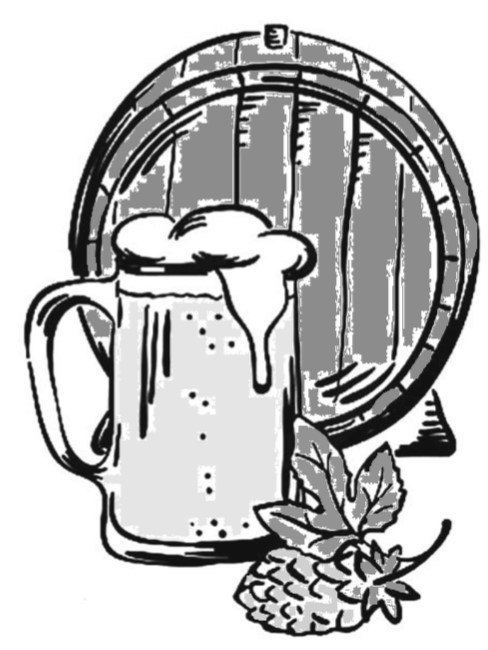
Today we think of beer as a luxury item, something to enjoy during our leisure times and beverage known and imbibed for its intoxicating properties. This was not always true. In fact, beer was once considered the most healthy drink to give to children and vital to survival. To understand this, you must first understand …
Continue reading “Basic Colonial Brewing #1 — The Importance of Beer in the 1700’s Colonial America”
Misusing National Symbols is Stolen Valor
A recurring complaint of the current administration by President-elect Biden is “The Words of a President Matter.” Its more, much more, than words that matter. The Fascist right, not to be confused with principled conservatives like Romney and Murkowski, and Roberts, of not just stealing government, our money, our security, and our rights, they like …
Continue reading “Misusing National Symbols is Stolen Valor”
Historical Tidbits
When reenacting or acting as a historical interpreter, its good to have a few historical dates and stories to share. This series will publish a few. January 7, 1777 2nd Battle of Trenton On New Year’s Day, Washington’s force of 5,000 massed again in Trenton. The next day Cornwallis arrived with an army 5,500. After …
Historical Tidbits
When reenacting or acting as a historical interpreter, its good to have a few historical dates and stories to share. This series will publish a few. January 7, 1782 – The first US commercial bank opened as the Bank of North America in Philadelphia. Want to Buy Beer from the Colonial Brewmeister? Help us build …
The President is not a King!

Okay, MAYBE I am a little less angry than I was yesterday but come on folks… “THESE are the times that try men’s souls. The summer soldier and the sunshine patriot will, in this crisis, shrink from the service of their country; but he that stands it now, deserves the love and thanks of man …
Historical Tidbits
When reenacting or acting as a historical interpreter, its good to have a few historical dates and stories to share. This series will publish a few. January 6, 1777 1st Encampment at Morristown Remnants of the American forces (2,000 – 4,000 troops) after the battles of Trenton and Princeton are billeted in homes and structures …
Are you a Yankee Doodle Dandy?

We all know the song … “Yankee Doodle went to town.” They teach it to our children. Well, thankfully not! The British sang Yankee Doodle to berate the Americans during the Revolutionary War. It not the nice little dittle we all sang as kids, when you get to the later verses, it quite profane. A …
Historical Tidbits
When reenacting or acting as a historical interpreter, its good to have a few historical dates and stories to share. This series will publish a few. January 5, 1777 Battle of Princeton Preparing to crush Washington’s Army at Assunpink Creek, Cornwallis ordered reinforcements brought down to his position at Trenton. This left only a small …
 Michael Carver -- Historical Interpreter/Reenactor