

Handsel Monday, the first Monday after January 1, was an old 18th century Scottish tradition where masters would give their servants presents and give them the day off. Sweet! “Handsel” is a Middle English word meaning good luck or good omen. The handsel present was typically money, meaning even the poorest servant had a little extra cash …
Category Archives: Ideas
GOP vs Founding Fathers

Round 2 — Lower Taxes Republicans tout that the want less government and lower taxes and they are willing to cut a few social programs and even essential services like in order to lower taxes, but so be it. They argue that we should put our trust in people, not in government pushing issues of …
The Whitesmith

Whitesmithing, or tinsmithing, is a much newer form of metalworking that developed in the late 1600s and gained popularity in the 18th and 19th centuries. Although found worldwide, whitesmithing was popular in mainland Europe and especially Britain. Whitesmiths work with thin sheets of iron or steel that were dipped in molten tin to protect the metal from …
GOP vs Founding Fathers

Round 1 — Separation of Church and State Well folks, this is an election year. This guarantees we will disagree on many things but please heed this bit of advice – wear boots! The Republican Party likes to claim that they are “originalist” and that they know the intentions that the Founding Fathers had when …
Basic Colonial Brewing #1 — The Importance of Beer in the 1700’s Colonial America

Today we think of beer as a luxury item, something to enjoy during our leisure times and beverage known and imbibed for its intoxicating properties. This was not always true. In fact, beer was once considered the most healthy drink to give to children and vital to survival. To understand this, you must first understand …
Continue reading “Basic Colonial Brewing #1 — The Importance of Beer in the 1700’s Colonial America”
The Secular Argument for the Establishment Clause of Amendment 1

It is great to argue that the first Congress was inspired to adopt the Establishment Clause[i] by stories of Puritans and other separatist fleeing religious persecution in Europe and some mythical ideal that Americans are somehow more tolerant of other religions than their forebears but this is clearly NOT TRUE. Jews, atheists, Wiccans and Muslims …
Continue reading “The Secular Argument for the Establishment Clause of Amendment 1”
Historical Tidbits — Common Sense

When reenacting or acting as a historical interpreter, its good to have a few historical dates and stories to share. This series will publish a few. January 10, 1776 – Common Sense, a fifty-page pamphlet by Thomas Paine, was published. It sold over 500,000 copies in America and Europe, influencing both the authors of the …
Becoming a Colonial Brewer

In 1994, I became interested in the someone rebellious and definitely an anachronistic hobby of home-brewing. Brewing beer at home became legal (again) in 1979 so by the time I got involved it was a weird mix of semi-commercial home-brew supply stores that sold malt, yeast, and hops in various forms plus a hodgepodge of …
Winning the War with Beer
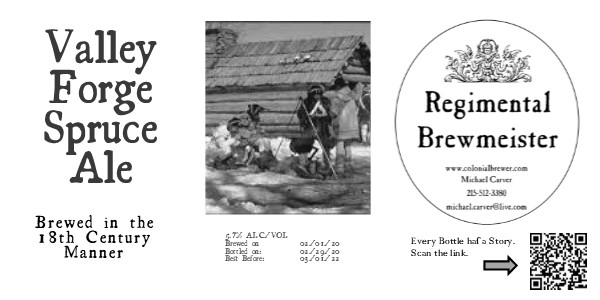
More 18th Century soldiers died of malnutrition and disease than by the hands of their enemies. For the British, each soldier was an investment of a nation’s time and resources so keeping them “fit for duty” was not just a humanitarian concern, it was protecting the nations investment. Getting soldiers trained and transported North America …
What Language is that written in? Understanding 18th Century Handwriting
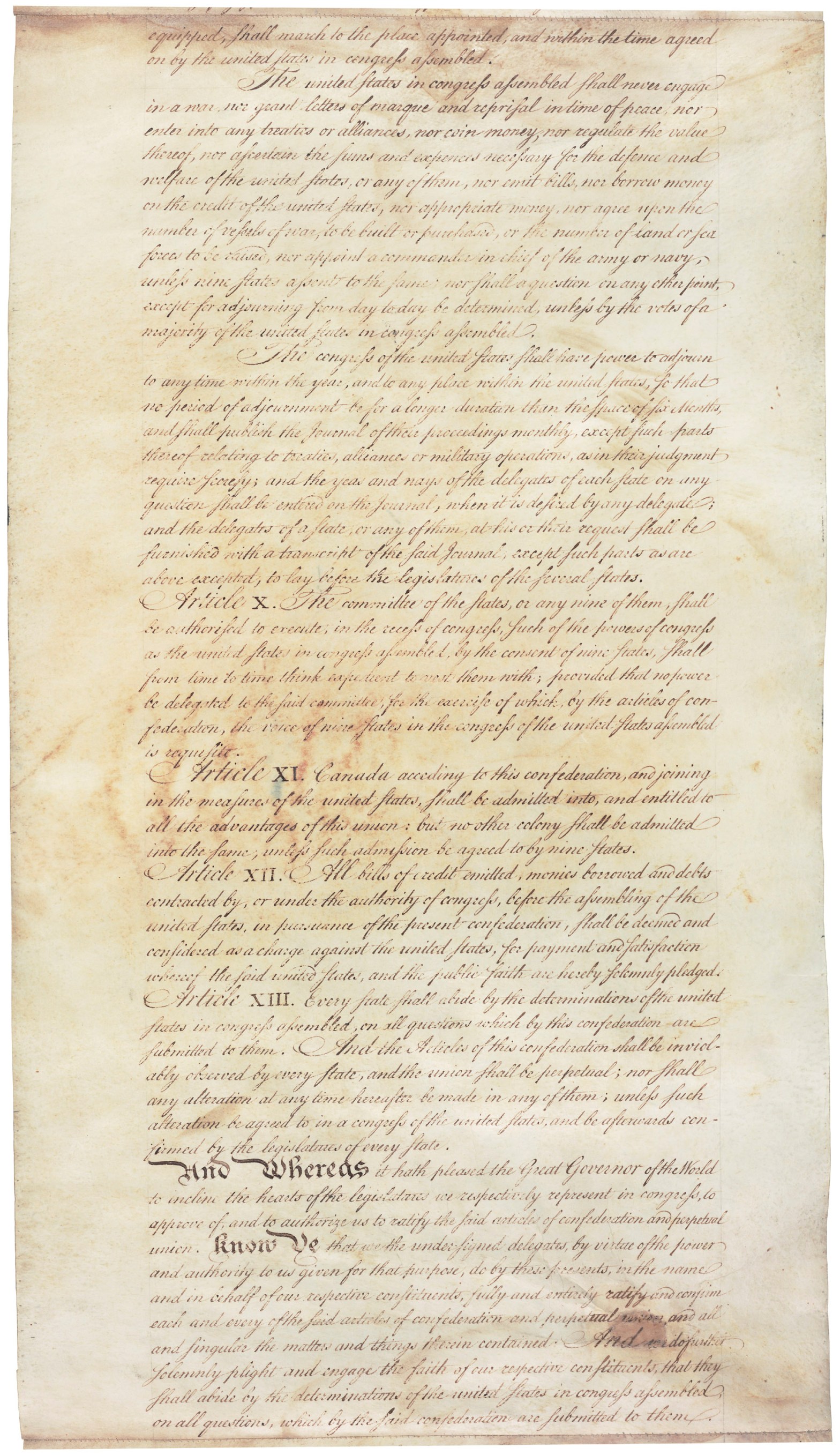
Several years ago, I was giving tours at Independence Hall when one of the guests approached me outside Congress Hall to ask questions about the Articles of Confederations (BTW, volunteers love to be asked questions, that’s why we do this so don’t hold back. If you ask us a question that we don’t know the …
Continue reading “What Language is that written in? Understanding 18th Century Handwriting”
 Michael Carver -- Historical Interpreter/Reenactor