
When reenacting or acting as a historical interpreter, its good to have a few historical dates and stories to share. This series will publish a few. October 17, 1777 Surrender of Burgoyne at Saratoga In the summer of 1777, General Burgoyne led an army of 8,000 men south through New York in an effort to …
Tag Archives: American Revolution
Historical Tidbits
When reenacting or acting as a historical interpreter, its good to have a few historical dates and stories to share. This series will publish a few. October 13, 1775 — The acquisition of a fleet of ships that would become the United States Navy was authorized by an act of the Second Continental Congress. The …
Historical Tidbits
When reenacting or acting as a historical interpreter, its good to have a few historical dates and stories to share. This series will publish a few. October 11, 1776 – General Benedict Arnold engaged the British in a naval engagement off of Valcour Island on Lake Champlain. Although defeated, the American forces inflicted significant damage …
Historical Tidbits
When reenacting or acting as a historical interpreter, its good to have a few historical dates and stories to share. This series will publish a few. October 7, 1780 – BATTLE OF KINGS MOUNTAIN: Patriot militia defeated the Loyalist militia commanded by British Major Patrick Ferguson of the 71st Foot. Coming after a series of …
Historical Tidbits
When reenacting or acting as a historical interpreter, its good to have a few historical dates and stories to share. This series will publish a few. October 7, 1763 — Royal Proclamation of 1763, issued by King George III, forbade all settlement west of a line drawn along the Appalachian Mountains, which was delineated as …
Historical Tidbits
When reenacting or acting as a historical interpreter, its good to have a few historical dates and stories to share. This series will publish a few. October 6, 1777 Fort Montgomery and Fort Clinton taken On October 6, 1777, the British Army, led by Henry Clinton, attacked Forts Montgomery and Clinton, supported by cannon fire …
Colonial Spymaster (#12) — Disguises
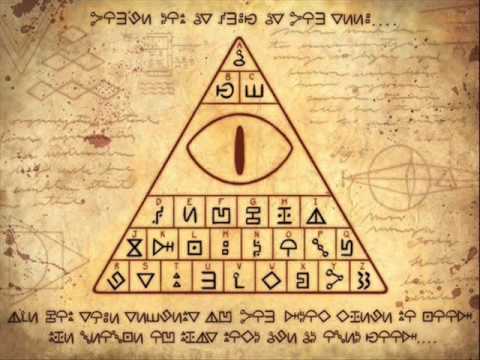
If you are routinely going places where the enemy discusses, either intentionally or unintendedly, matters of military or political significance, you may wish to remain anonymous. To do this, spies employ disguises. The most common disguise is to simply change your clothes. Sometimes soldiers sent on reconnaissance missions would wear civilian clothes such as when …
Historical Tidbits
When reenacting or acting as a historical interpreter, its good to have a few historical dates and stories to share. This series will publish a few. October 4, 1777 Battle of Germantown After taking the American capital, British General Sir William Howe positioned two brigades and a contingent of Hessians troops in Germantown. Much like …
Precedent for the Stamp Act
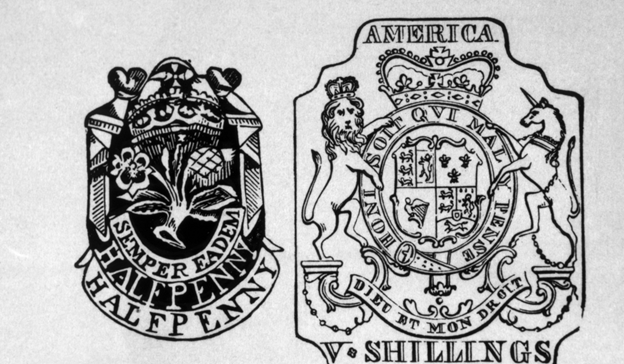
We are all familiar with The Stamp Act of 1765 which was a tax on all paper documents levied on American colonists in order to pay off debt from the Seven Years’ War (1756-63). Coming in the midst of economic hardship in the colonies, the Stamp Act aroused vehement resistance. Parliament pushed forward with the …
Colonial Spymaster (#11) — Letter-locking
Long before email, text, and instant message, important words were passed discreetly from closed palm to palm. To keep the messages private, these hand-written notes were often elaborately folded, sealed with wax, and rigged with anti-tamper devices. The technique of “locking” letters involves folding the parchment, papyrus, or paper securely so that the letter functions …
Continue reading “Colonial Spymaster (#11) — Letter-locking”
 Michael Carver -- Historical Interpreter/Reenactor