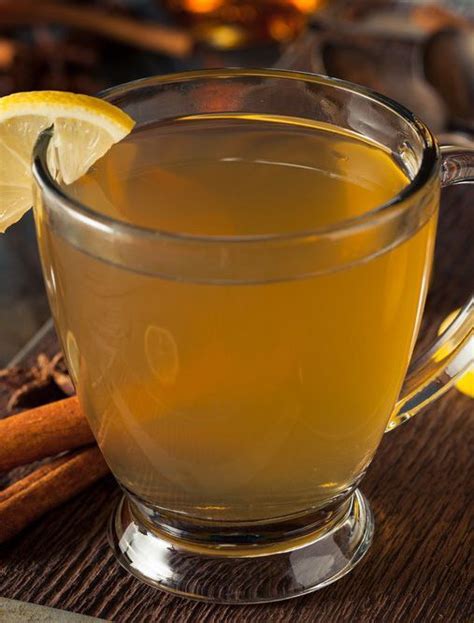
The earliest record of the precursor to lemonade hails from the Mediterranean coast of medieval Egypt. Kashkab was made from fermented barley (like beer) combined with mint, rue, black pepper and citron. Thanks to Jewish books like the Cairo Genizah, we know that Egypt traded and exported bottles of the sugary lemon juice concoction throughout …
Tag Archives: Newspaper
Peer Review is a great thing. I guess after reviewing this I can now add “pirate” to my CV.
So, I recently reviewed a new historical fiction trilogy by Roger Johnson. You should give it a perusal. Its on Amazon. JOHN FLINT’S BASTARD Welcome to the world of Joshua Smoot—the bastard son of Treasure Island’s John Flint. From the first page of John Flint’s Bastard to the last, you will experience the full spectrum …
Historical Tidbits — Coup of 18 Brumaire
When reenacting or acting as a historical interpreter, its good to have a few historical dates and stories to share. This series will publish a few. November 9, 1799 – Napoleon Bonaparte become First Consul of France On November 9, 1799 (18 Brumaire in the French Revolutionary calendar) Napoleon Bonaparte executed a coup d’état and …
Historical Tidbits — Edmund Halley
When reenacting or acting as a historical interpreter, its good to have a few historical dates and stories to share. This series will publish a few. Edmund Halley, England’s most significant astronomer, was born November 8, 1656 Edmond Halley was born on November 8, 1656, in Haggerston, England to a well-to-do merchant family. His father was …
Historical Tidbits — New York Weekly Journal
When reenacting or acting as a historical interpreter, its good to have a few historical dates and stories to share. This series will publish a few. November 5, 1733 – The New York Weekly Journal became the first newspaper regularly published in North America. One year later, John Peter Zenger, its printer and publisher was …
Continue reading “Historical Tidbits — New York Weekly Journal”
The Hawthorne Fence
Early American settlers enjoyed fortifying their drinks. Stone fences mix hard cider and rum, shrubs mix wine with switchel, rattleskulls mix rum with beer, and the coo woo even fortifies brandy with rum. Rum, whiskey, and other spirits were staple goods produced to help farmers ship bulky products like corn and sugar to distant markets. …
Curaçao
In 1499 the Spanish sent an expedition to the Caribbean island of Curaçao in an attempt to cultivate Seville oranges. Oranges were vital to naval operations in the region as they were used to fight scurvy. The Seville oranges, however, struggled under the island’s harsh equatorial sun, arid climate, and infertile soil eventually evolving into a small, bitter, …
Glögg
Hot spiced wine has been offered to messengers and postmen in Norway who travelled on horseback or skis in cold weather since at least the 16th century. Glögg is a common winter drink consisting of sweet wine or grape juice mixed with syrup and some harder spirits like rum, brandy or cognac. Glögg begins by …
George Washington is Actually the 16th President of the United States NOT the First
The Continental Congress declared independence from Great Britian in July 1776 but George Washington was not inaugurated as President until April 30, 1789 (13 years later). During the Revolutionary War (1774 – 1783) the states acted largely as independent nations and the only real role that he Continential Congress had was the prosecution of the …
Baked Apple Wassail
The word “wassail” appears as early as the 8th century in the poem Beowulf. Originally, it was used as salutatory gesture (wassail!) from Old Norse ves heill “be healthy.” By the 12th Century, Wassail was used as a drinking salutation, similar to the use of “Cheers” or “Probst” today, and his use seems to have …