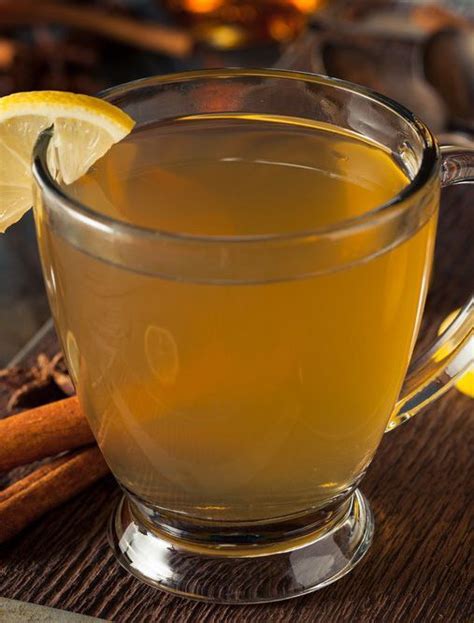
The word “wassail” appears as early as the 8th century in the poem Beowulf. Originally, it was used as salutatory gesture (wassail!) from Old Norse ves heill “be healthy.” By the 12th Century, Wassail was used as a drinking salutation, similar to the use of “Cheers” or “Probst” today, and his use seems to have …
Tag Archives: Newspaper
The Coow Woow
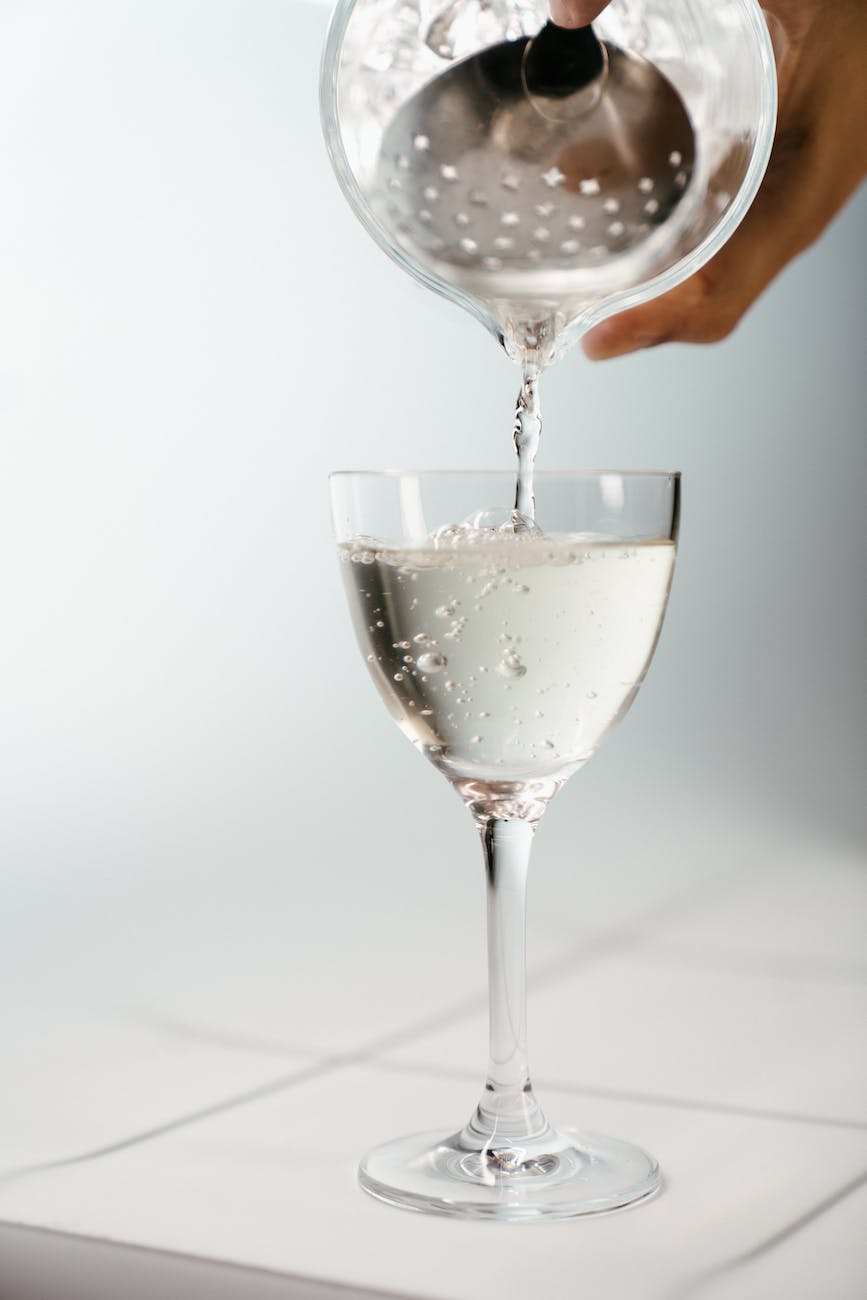
“Coow woow” was an Indian term for rum, and this makes sense since most of the drink is rum. The history of the Coow Woow is a bit murky but the Wayside Inn in Sudbury, MA claims it dates back to the early days of 1664 making it one of if not the first cocktail …
Hey Brewmeister, why are there all those QR codes on your bottles and kegs?
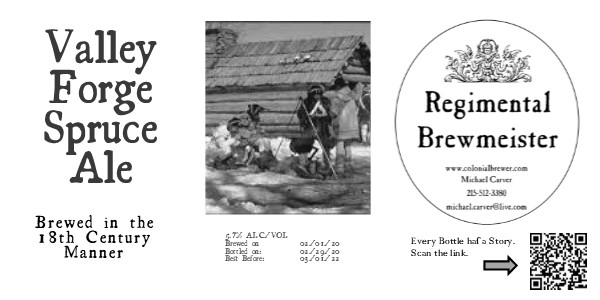
Okay, I don’t give away bottles but you may have noticed that every bottle and every keg have a QR code on it and its not a SKU because I am not selling beer outside of events and I am not that sophisticated in my inventory management. So, what are these? Well, brewing beer is, …
Continue reading “Hey Brewmeister, why are there all those QR codes on your bottles and kegs?”
Hot Ale Flip
If you were traveling through Colonial New England, chances are the drink of choice is Rum Flip, which is quite a treat to see prepared with vigorous mixing and a final heating using a long metal rod known as a loggerhead or in the south a mulling iron. Flip was a common hot cocktail made …
The Stone Fence

The Catamount Tavern in the future Old Bennington, served as the headquarters for the Green Mountain Boys. This militia was formed to resist New York’s attempt to control the New Hampshire Grants which eventually became the State of Vermont after the Revolution. As these regional skirmishes took a backseat to the broader conflict with Great …
Hunker down for the storm, its coming!

Okay, I pulled the plug on Facebook today. All Facebook content from the Regimental Brewmeister and Colonial Brewer will disappear on 12/25/24. I am now posting articles (when I remember, its manual) to BlueSky and I may engage other social media in the future but for now, I am focusing on http://www.colonialbrewer.com and public appearances …
What’s in a Name? Why are Pennsylvania, Kentucky, Massachusetts, and Virginia called “Commonwealths?”
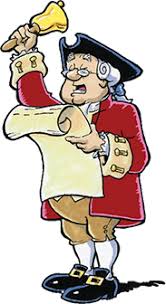
The United States is made 46 states and 4 commonwealths — Pennsylvania, Massachusetts, Virginia, and Kentucky. While in modern politics, this is an academic distinction, the term “commonwealth” defined as a political entity founded for the good of the people; whereas a “state” existing for the benefit of its citizens. The term UnitedStates, was deliberately …
THE RATTLESKULL
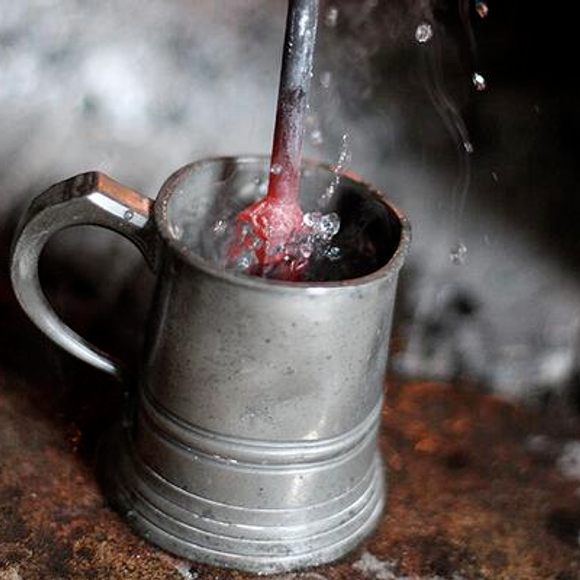
If you read this blog enough, you are familiar with 18th Century taverns being the social and business hubs of many communities. Early taverns weren’t just bars, they were used for business meetings, post offices, news agents, militia headquarters, judicial meetings, polls, and as places for lively political debates. To overcome social anxiety and help …
And Now for Something Completely Different: The State Sport of Maryland is Jousting!?
Typically associated with either its military or aristocratic origins, jousting is a martial art we associate with 13th century medieval tournaments. Mention jousting and images of knights galloping headlong toward armored opponents, aiming wooden lances, and smashing against each other in an explosion of splinters comes to mind. Aside from the sometimes with deadly results, …
The Regent’s Punch
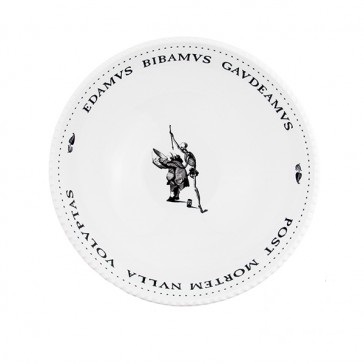
George Augustus Frederick, Prince of Wales, was born on August 12, 1762 at St James’ Palace, the eldest son of George III and Queen Charlotte. When his father became incapacitated due to mental instability and ill health, he ruled for nine years as Regent (1811 – 1820) before becoming King upon his father’s death in …
 Michael Carver -- Historical Interpreter/Reenactor