
Nothing is quite so awe inspiring as to be on a military installation when Call to Colors is played. EVERTYHING STOPS! EVERYONE turns to the colors and most people salute. This event happens twice each day to remind us of WHY we are there. We are there not for some political agenda in Washington, not …
Tag Archives: politics
Burn Baby Burn

On flag day, we should address the elephant in the room. Some of these elephants get really upset when our national symbol is publicly burned. They are fools! When our flag is retired, it should be cremated. Yes – burned; never thrown out like garbage. Sure, its just a piece of cloth but this simple …
Historical Tidbits — Constitutional Convention

When reenacting or acting as a historical interpreter, its good to have a few historical dates and stories to share. This series will publish a few. May 14, 1787 Constitutional Convention Four years after the United States won its independence from England, 55 state delegates, including George Washington, James Madison and Benjamin Franklin, convene in …
Continue reading “Historical Tidbits — Constitutional Convention”
Freedom Means NOTHING Unless You Also Embrace Tolerance
Tolerance implies no lack of commitment to one’s own beliefs. Rather it condemns the oppression or persecution of others. John F Kennedy As Americans we focus a lot on our Constitutional Freedoms. Frankly, we are far more enthralled with these than most of the rest of the world for in the time since our Revolution, …
Continue reading “Freedom Means NOTHING Unless You Also Embrace Tolerance”
Precedent for the Stamp Act
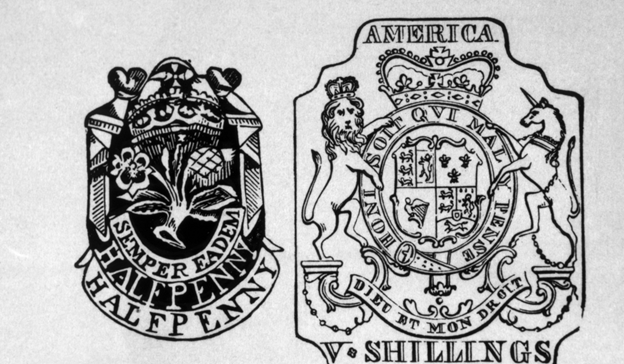
We are all familiar with The Stamp Act of 1765 which was a tax on all paper documents levied on American colonists in order to pay off debt from the Seven Years’ War (1756-63). Coming in the midst of economic hardship in the colonies, the Stamp Act aroused vehement resistance. Parliament pushed forward with the …
The Evil Gerrymander

In March 1812, the Boston Gazette ran a political cartoon depicting “a new species of monster”: “The Gerry-mander.” The forked-tongue creature was shaped like a contorted Massachusetts voting district that the state’s Jeffersonian Republicans had drawn to benefit their own party. Governor (and future vice president) Elbridge Gerry signed off on his party’s redistricting plan …
“Gulliver’s Travels” is first published on October 28th, 1726
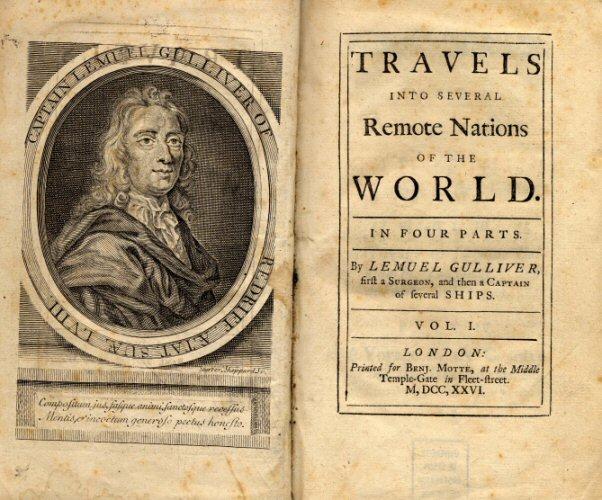
Gulliver’s Travels, or Travels into Several Remote Nations of the World. In Four Parts. By Lemuel Gulliver, First a Surgeon, and then a Captain of Several Ships is Jonathan Swift’s best known work, and a classic of English literature but the Irish writer and clergyman didn’t write his “traveler’s tale” as a children’s book. Swift …
Continue reading ““Gulliver’s Travels” is first published on October 28th, 1726″
Philadelphia is founded on October 27, 1682
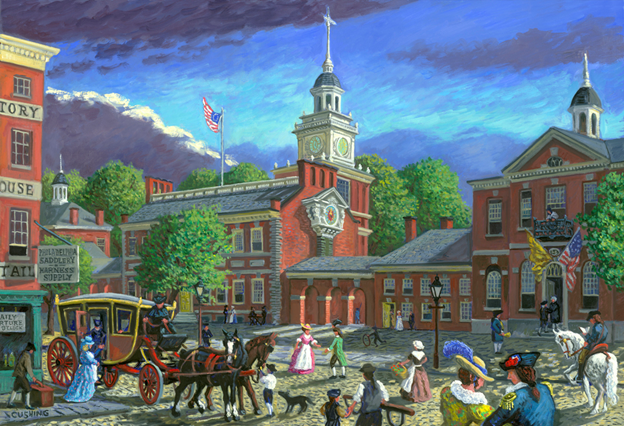
When people think of Philadelphia, images of Independence Hall, the drafting of the Declaration of Independence and the Constitution, come to mind. Philadelphia is the largest city in Pennsylvania and for most of the 18th Century the third largest city in the British Empire. At the time of the American Revolution, it was clearly the …
Continue reading “Philadelphia is founded on October 27, 1682”
Historical Tidbits
When reenacting or acting as a historical interpreter, its good to have a few historical dates and stories to share. This series will publish a few. October 7, 1763 — Royal Proclamation of 1763, issued by King George III, forbade all settlement west of a line drawn along the Appalachian Mountains, which was delineated as …
Precedent for the Stamp Act
We are all familiar with The Stamp Act of 1765 which was a tax on all paper documents levied on American colonists in order to pay off debt from the Seven Years’ War (1756-63). Coming in the midst of economic hardship in the colonies, the Stamp Act aroused vehement resistance. Parliament pushed forward with the …
 Michael Carver -- Historical Interpreter/Reenactor