

So, I had this idea. I was going to add a third punch bowl to my tavern. I already have the two from David Wondrich which are very similar to those common in the late 18th and 19th Century. I wasn’t going to be picky; I just didn’t want to spend a huge sum of …
Monthly Archives: October 2024
Historical Tidbits — The militia attack on Fort Wilson – October 4, 1779

When reenacting or acting as a historical interpreter, its good to have a few historical dates and stories to share. This series will publish a few. On October 4, 1779, the home of James Wilson, a noted Pennsylvania lawyer, was attacked by the Pennsylvania militia. Wilson was accused of profiteering and being sympathetic to the …
Continue reading “Historical Tidbits — The militia attack on Fort Wilson – October 4, 1779”
Historical Tidbits — Battle of Germantown
When reenacting or acting as a historical interpreter, its good to have a few historical dates and stories to share. This series will publish a few. October 4, 1777 Battle of Germantown After taking the American capital, British General Sir William Howe positioned two brigades and a contingent of Hessians troops in Germantown. Much like …
Continue reading “Historical Tidbits — Battle of Germantown”
The Scourge of Slavery (#1)
In many parts of the British Empire the economy was dependent upon the brutal institution of chattel slavery. In America at the time of the Revolutionary War roughly one-fifth of the population of those colonies that would eventually separate from the tyranny of the King were themselves denied their own “unalienable” right to liberty. This lead …
Bessie the Lake Erie Monster

Okay, we are now entering “ghost season” at Fort Mifflin. Not that there are particular times of the year when “sightings” are more common but in October we do Candlelight Tours and celebrate our “permanent tour guides.” This story is not about our fort but rather a true American Mythical creature of historic importance. First …
Beer Recipe — Privateer Abby Triple Ale
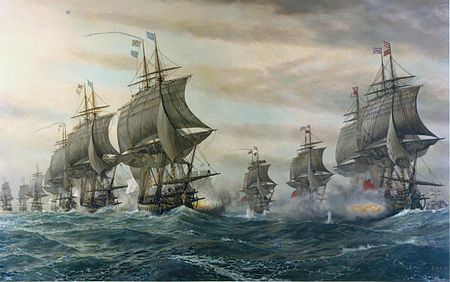
In the summer of 1775, George Washington and the fledgling Continental Army was unable to effectively lay siege to British-occupied Boston because the Royal Navy had a firm command of the sea-lanes and the harbor. All George Washington could do was observe the flow of enemy supplies into Boston harbor and wondered if intercepting a …
Colonial Spymaster (#12) — Disguises
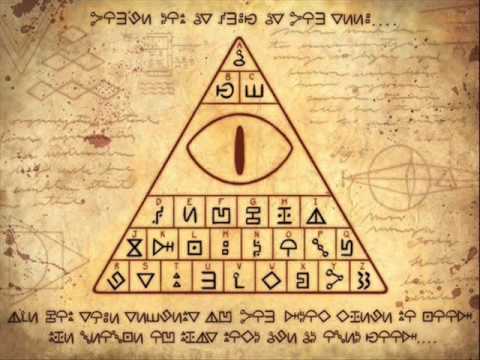
If you are routinely going places where the enemy discusses, either intentionally or unintendedly, matters of military or political significance, you may wish to remain anonymous. To do this, spies employ disguises. The most common disguise is to simply change your clothes. Sometimes soldiers sent on reconnaissance missions would wear civilian clothes such as when …
Beer Recipe: Battle of the Kegs — British Brown Ale
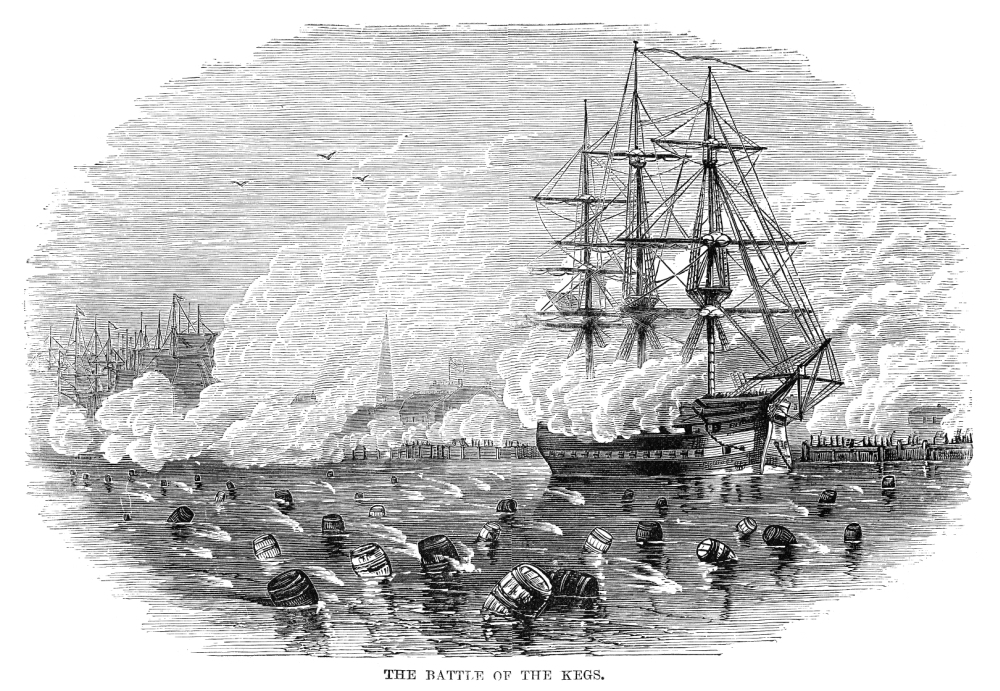
Early in January, 1778, David Bushnell, the inventor of the American Torpedo, and other submarine machinery, prepared a number of “infernals,” as the British termed them, and set them afloat in the Delaware River, a few miles above Philadelphia, in order to annoy the royal shipping, which at that time lay off that place at …
Continue reading “Beer Recipe: Battle of the Kegs — British Brown Ale”
US Marines in the American Revolution –The Evacuation of Fort Billingsport

2 October 1777 Defenses along the Delaware River were planned to protect Philadelphia, the capital of the new republic, against a possible invading naval force. Aware of these defenses, the British entered the Chesapeake and took the capital by the land route. By late September 1777, the enemy was in the rear of these defenses …
Continue reading “US Marines in the American Revolution –The Evacuation of Fort Billingsport”
Doctor Heal Thyself — 18th Century Medicine Gone Wrong

Isaac Newton Stuck a Needle in His Own Eye Isaac Newton voluntarily stuck a needle in his eye in the name of science. The experiment was designed to test optics and color perception. He thought that if he slid a long needle behind his eyeball, between the eye and the eye socket, and started poking, his vision would …
Continue reading “Doctor Heal Thyself — 18th Century Medicine Gone Wrong”
 Michael Carver -- Historical Interpreter/Reenactor