Colonial Surveyor – Determining your Position using Celestial Navigation

A sextant is an intimidating complex instrument.  It consists of an A-shaped frame with an apex of 60° on a sextant or 45° on an octant.  Along the rounded lower edge of the frame is an arc, the limb, that is marked with numbers for the degree of the angles that the sextant can measure. An index …

US Marines in the American Revolution — Fighting Tops

29 May 1781 Early in May 1781, the Continental frigate Alliance sailed home from France. Between the Newfoundland Banks and the Amer­ican coast she moved cautiously for that stretch of water was dominated by the enemy. The weather, however, proved to be more destructive. Amid booming rolls of thunder and a heavy sea on the …

Historical Tidbits — Last of the 13 States to Ratify the US Constitution

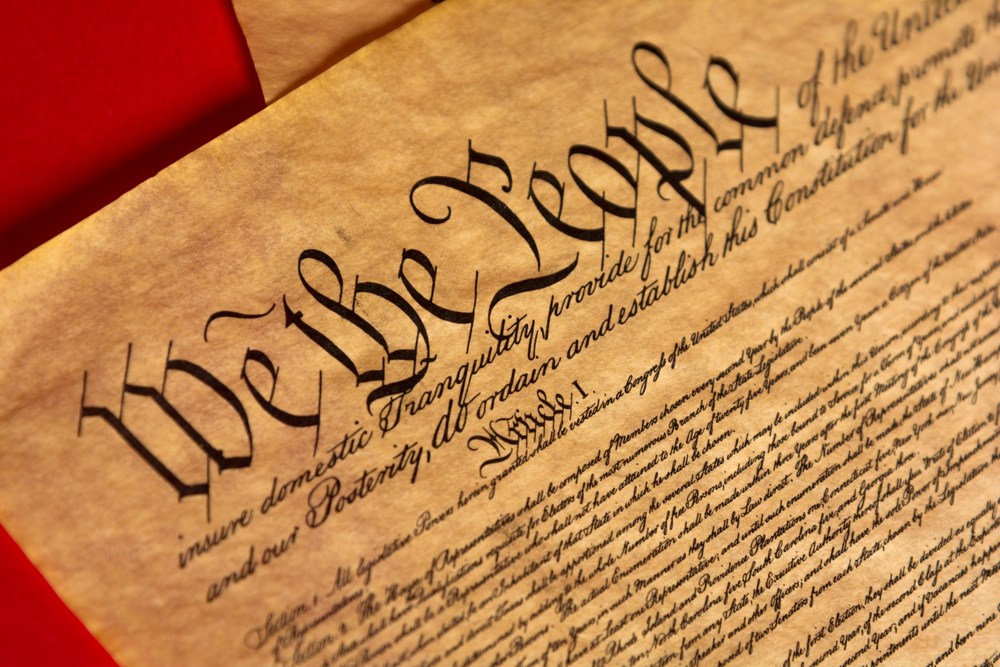
When reenacting or acting as a historical interpreter, its good to have a few historical dates and stories to share. This series will publish a few. May 29, 1790 — Rhode Island became the last of the 13 States to ratify the US Constitution. Rhode Island became the 13th state to enter the Union after …

Historical Tidbits — Virginia Plan

When reenacting or acting as a historical interpreter, its good to have a few historical dates and stories to share. This series will publish a few. May 29, 1787 – At the Constitutional Convention in Philadelphia, the Virginia Plan calling for a bicameral legislature, an executive, and a judiciary branch of government was proposed by …

Vector Computations without the Benefit of Modern Trigonometry

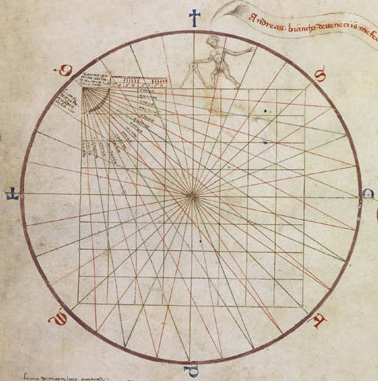
Navigating from point to point is a relatively simple task for most surveyors or mariners.  You establish a compass bearing from where you are to your intended location then measure out the distance (or in the case of sailing a speed and a time) to the new location giving what we call today a vector.  …

The Westernmost Battle of the American Revolution — Fort San Carlos

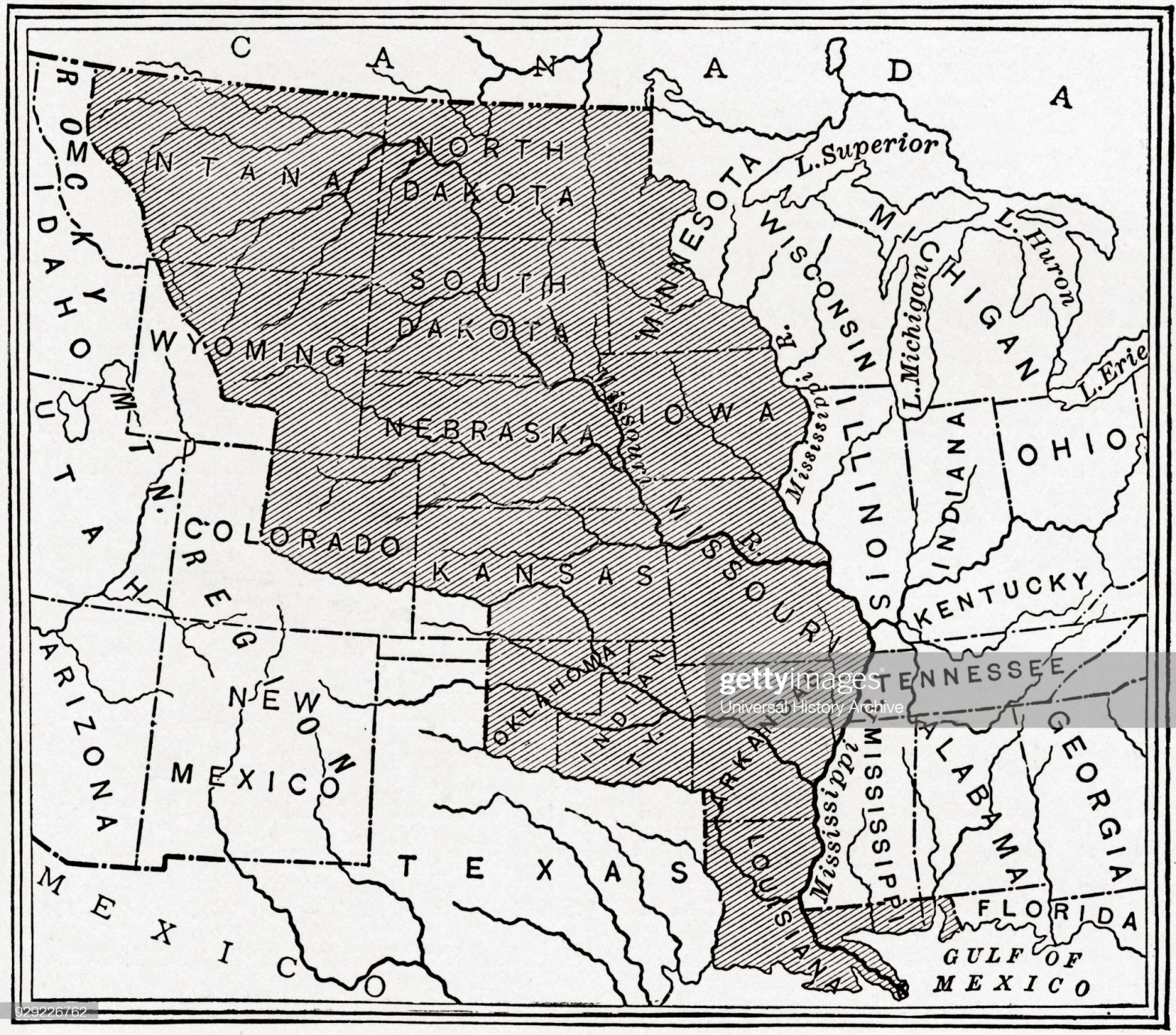
Living near Philadelphia, I tend to have a very East Coast view of the American Revolution.  After all, the BIG battles in North America were in New England, New Jersey, Pennsylvania, the Carolinas and Virginia. America west of the Mississippi River was a far of land deep in New Spain for most Americans in 1777.  Not …

The SECOND Constitutional Congress Meets in Philadelphia on May 25, 1787

Four years after the United States won its independence from England, delegates convened in Philadelphia to compose a new U.S. Constitution.  The current constitution, The Articles of Confederation, ratified several months before the British surrender at Yorktown in 1781, provided for a loose confederation of U.S. states, which totally were sovereign in most of their …

Government Red Tape

Today, “Red Tape” is a derisive term for rigid conformity to formal government regulations that slow or prevent action and decision-making. Usually applied to government and corporate bureaucracies, we associate “red tape” with filling out of seemingly unnecessary paperwork and various low-level rules that make conducting one’s affairs slower and more difficult.  It may surprise …