
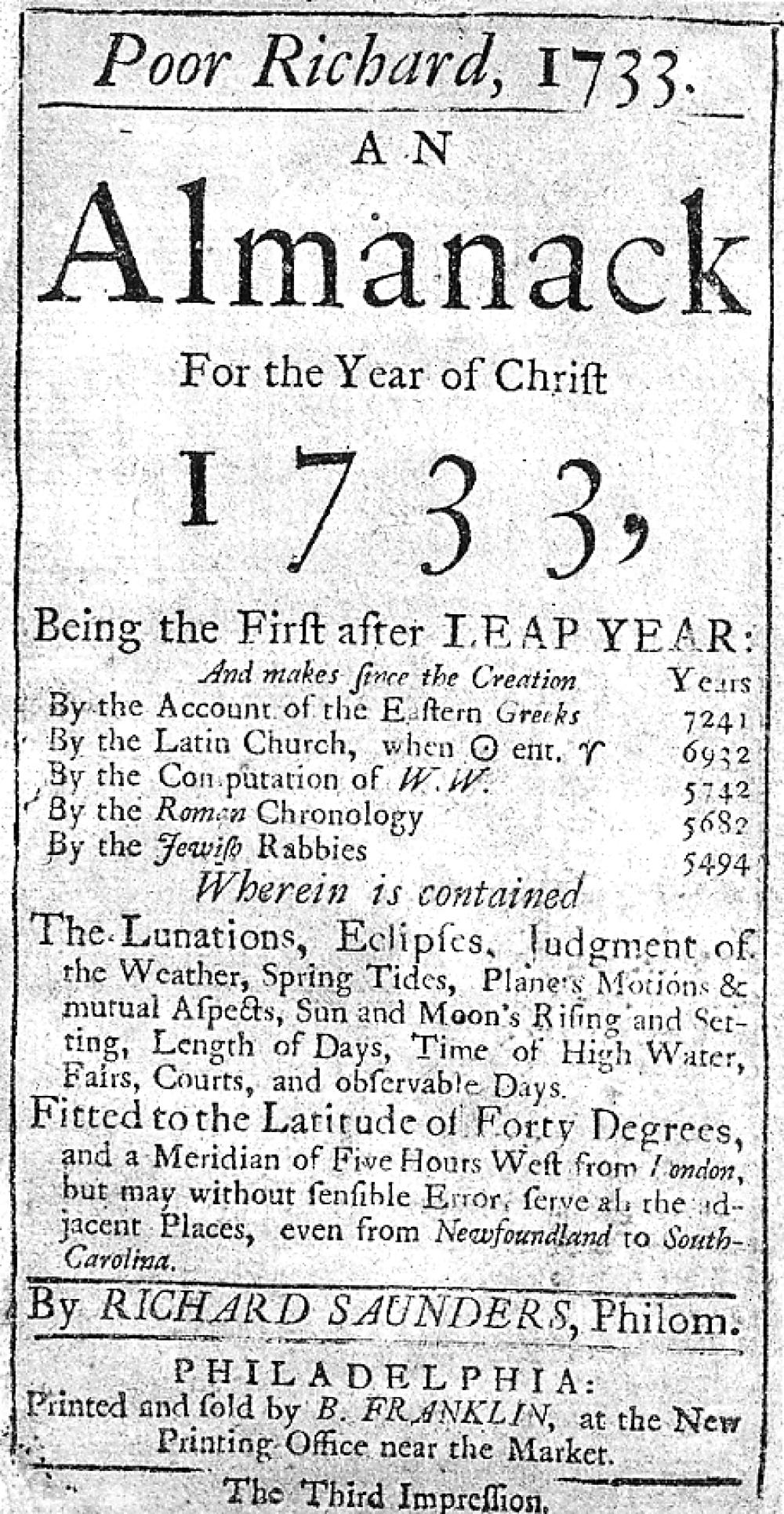
By the late 18th Century, the emerging science of meteorology—closely aligned with the study of gases—was focused on major advances in understanding evaporation, latent heat, and water vapor in the air. The earlier Aristotelian study of storms was being superseded by the systematic measurement of temperature, pressure and atmospheric moisture with an aim to PREDICT those storms not just describe them.
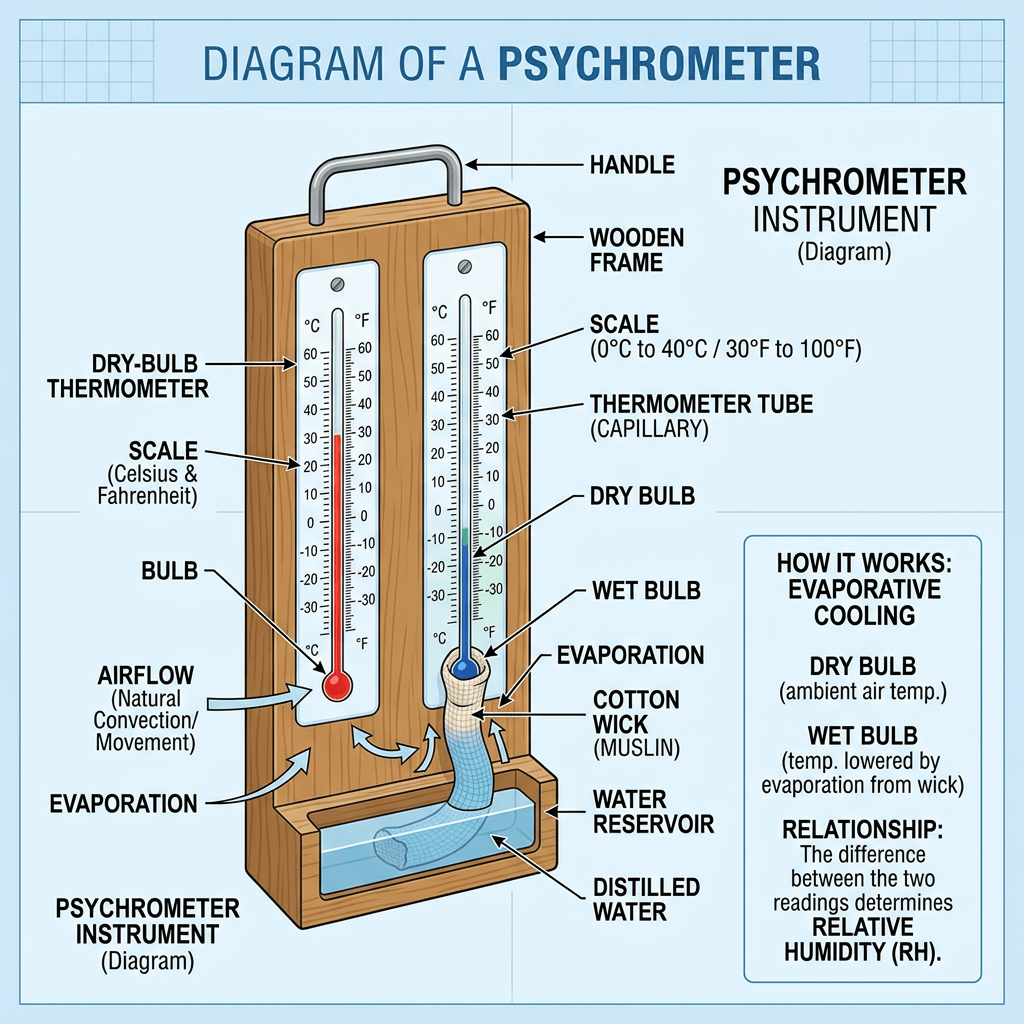
By the 1770s national scientific bodies such as the Royal Society of London were recording daily meteorological data. Key attributes of daily weather were determined using the thermometer, barometer and hygrometer, each of which underwent major refinement during the 1700s. Measuring atmospheric water as either a liquid or a gas was more challenging. Estimates of water vapor in the air were derived from hygrometers, which measured atmospheric humidity based on the uptake of moisture by organic materials such as human hair or whalebone, but these are highly unreliable. In 1792, however, James Hutton reported that a thermometer previously moistened by water records a lower temperature when exposed to cooling in the wind this led to the rapid development of the sling psychrometer. Hutton’s tool assessed the dryness of air based on the decrease in air temperature when a moistened thermometer was subject to cooling by the wind and compared this to a similar thermometer that was unmoistened. In his The Theory of Rain, read to the Royal Society of Edinburgh in 1784, he had previously proposed that saturation occurs when two moist air masses with contrasting temperatures are mixed, resulting in condensation and rain.
Want to have the
Regimental Brewmeister
at your site or event?
You can hire me.
https://colonialbrewer.com/yes-you-can-hire-me-for-your-event-or-site/

