Colonial Spymaster (#6) — The Culper Ring and its Codes

Benjamin Tallmadge established a small group of trustworthy men and women from his hometown of Setauket, Long Island. Known as the Culper Spy Ring, Tallmadge’s homegrown network would become the most effective of any intelligence-gathering operation on either side during the Revolutionary War. Tallmadge recruited his childhood friend, the farmer Abraham Woodhull, and Caleb Brewster, …

Washington’s Visit to the Hebrew Congregation in Newport, Rhode Island

Newport, R.I. 18 August 1790 Gentlemen,While I receive, with much satisfaction, your Address replete with expressions of affection and esteem; I rejoice in the opportunity of assuring you, that I shall always retain a grateful remembrance of the cordial welcome I experienced in my visit to Newport, from all classes of Citizens. The reflection on the days of difficulty …

Historical Tidbits

When reenacting or acting as a historical interpreter, its good to have a few historical dates and stories to share. This series will publish a few. September 25, 1789        Bill of Rights On September 25, 1789, the first Congress of the United States adopted 12 amendments to the U.S. Constitution–the Bill of Rights–and sent them …

Colonial Spymaster (#5) — Pigpen Cypher

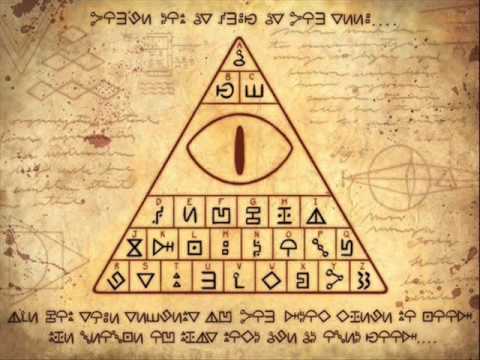
The Pigpen Cipher is another example of a substitution cipher, but rather than replacing each letter with another letter, the letters are replaced by symbols. The cipher has an interesting history: although its true origins are unknown, it has been used by many groups. Most notoriously, it was the cipher of choice for use by …

Apples and Honey Mead

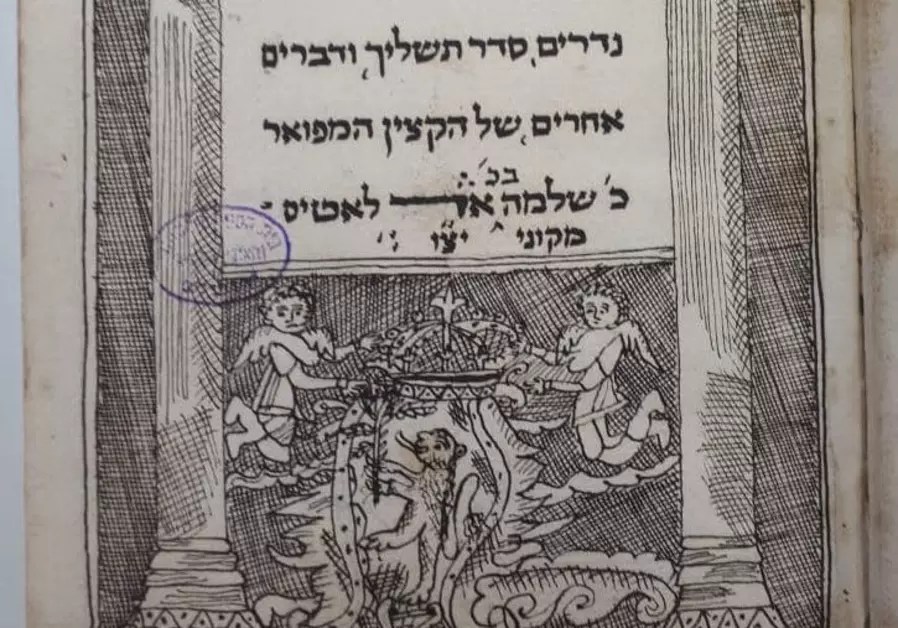
Shlomo Latis wrote “The Collection of Hoshaanot, Songs and Prayers, Annulments of Vows, Tashlichs and Other Things” in Italy around 1790. The name describes the book well; a collection of various prayers and descriptions of Jewish ceremonies that were compiled into one manuscript.  A careful look at the one existent copy, however, reveals to interesting …

Why I March with the Color Guard

“THESE are the times that try men’s souls. The summer soldier and the sunshine patriot will, in this crisis, shrink from the service of their country; but he that stands it now, deserves the love and thanks of man and woman….”  Thomas Paine, The Crisis (19 December 1776) So, I just had a stupid argument …

Colonial Spymaster (#4) — Polybius Cypher

The Polybius checkerboard, is a device invented by the ancient Greeks Cleoxenus and Democleitus, and made famous by the historian and scholar Polybius, a Greek historian noted for his work The Histories, which covered the period of 264–146 BCE.  Polybius was well known to the Founding Fathers of the United States and was influential on …

Proper Salutes in the British Army

In 1740, the “French salute”, or greeting another by kissing them on the cheek, started to become fashionable in London.  With the Seven Years War (AKA French and Indian War), the “French salute” quickly became controversial, being called unEnglish. Encouraged instead was the “old English” way of “pulling off a Hat. For the British, removing your …

Colonial Spymaster (#3) — Ottendorf or Book Cypher

The Ottendorf Cypher, or Book Cypher, is a cyphertext is made up of numbers in groups of 3, and these numbers correspond to positions in a book (or other type of text).  Most often the numbers refer to Line, Word, and Letter.  To encode a message, the encoder needs only to find the word at …

Historical Tidbits

When reenacting or acting as a historical interpreter, its good to have a few historical dates and stories to share. This series will publish a few. September 23, 1779        HMS Serapis captured by John Paul Jones On September 23, the Bonhomme Richard engaged the Serapis and the smaller Countess of Scarborough, which were escorting the …