

If you are like most reenactors, you consume all the popular media on the 18th Century no matter how well done it is. We look at the costumes, the misrepresentations of history, and criticize the portrayal of people whose lives and customers we are much more immersed in that the TV or movie producers. Occasionally, …
Category Archives: General history
THE BILL OF RIGHTS: A BRIEF HISTORY #7

Insurrections often are propagated upon misinformation. So too are the most recent band of domestic terrorist who like to hide behind our most sacred American institutions. In this series, I want to explore the Bill of Rights and why some of the hype and hyperbole thrown around by the extremist is not just wrong but …
Historical Tidbits

When reenacting or acting as a historical interpreter, its good to have a few historical dates and stories to share. This series will publish a few. March 7, 1778Frigate Randolph (32 guns) blown up in an engagement at sea The Randolph engaged the British 64-gun ship-of-the-line HMS Yarmouth. Rather than trying to flee from the …
What is the Artist Doing Here?
I have all these 18th C portraits that cycle through my PC desktop wallpapers. I am not sure why but today, this one caught my attention. Let me draw your attention to his hands… While this hand gesture is often seen as a victory sign (“V for Victory”), with the palm outward, and still today …
British Soldiers in a FRENCH Hat? Pourquoi?

A bearskin is a tall fur cap worn as ceremonial headgear of grenadiers. The standard bearskin of the British Foot Guards is 18 inches tall, weighs 1.5 pounds, and is made from the fur of the Canadian black bear. An officer’s bearskin is made from the fur of the Canadian brown bear as the female …
Continue reading “British Soldiers in a FRENCH Hat? Pourquoi?”
Historical Tidbits
When reenacting or acting as a historical interpreter, its good to have a few historical dates and stories to share. This series will publish a few. March 5, 1770 Boston Massacre In 1767, in an attempt to recoup the considerable treasure expended in the defense of its North American colonies during the French and Indian …
Historical Tidbits
When reenacting or acting as a historical interpreter, its good to have a few historical dates and stories to share. This series will publish a few. March 4, 1797 John Adams inaugurated President At the time of the founding of our republic, monarchs led nearly every other nation. Even as democratic systems began to spread, …
A Colonial Orator: True Revolution is Fought with Words not Bullets

Does “Freedom of Speech” mean you can say anything you want about anyone you choose? Our Founding Fathers would certainly not agree! You can, of course, say anything you want but there must be consequences for malicious defamation of individuals and even in revolutionary America libel and slander laws were enforced. There is, however, one …
Continue reading “A Colonial Orator: True Revolution is Fought with Words not Bullets”
The “Star-Spangled Banner” becomes the US national anthem (March 3, 1931)
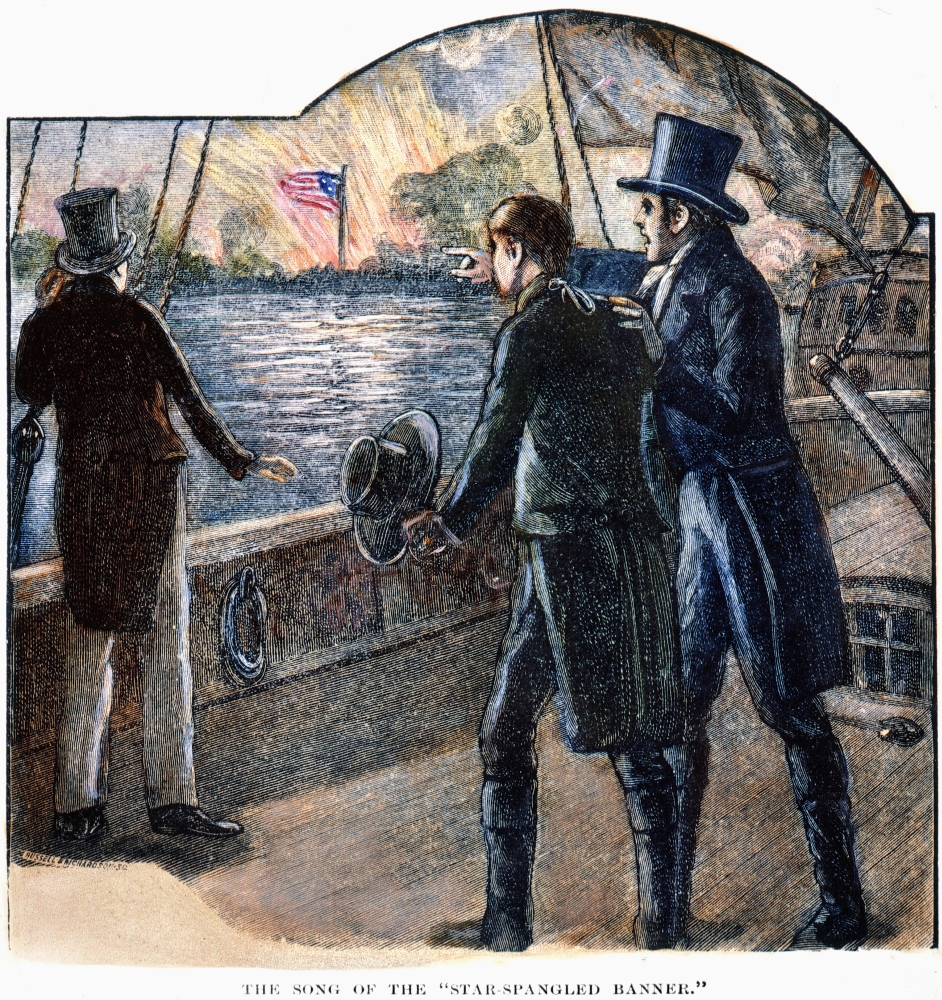
On After witnessing the massive overnight British bombardment of Fort McHenry during the War of 1812, Francis Scott Key composed the lyrics to “The Star-Spangled Banner” in September 1814 but this did not become our national anthem for another 117 years. Even though throughout the 19th century, “The Star-Spangled Banner” was regarded as the national …
Continue reading “The “Star-Spangled Banner” becomes the US national anthem (March 3, 1931)”
The Critical Role of Spain in the American Revolution
The American mythology is that George Washington and Marie-Joseph du Motier (Marquis de La Fayette) and the Continental Army defeated Charles Cornwallis (also a Marquess) at Yorktown in October of 1781 and the British immediately surrendered and went home. It’s a nice story but it does not pass the sniff test. Why would Brittan surrender. …
Continue reading “The Critical Role of Spain in the American Revolution”
 Michael Carver -- Historical Interpreter/Reenactor