

When reenacting or acting as a historical interpreter, its good to have a few historical dates and stories to share. This series will publish a few. January 14, 1784 – Congress formally accepts the terms of the Treaty of Paris, ending American participation in the Revolutionary War. George III will not sign this treaty for …
Category Archives: Ideas
Historical Tidbits — Battle of Cowpens
When reenacting or acting as a historical interpreter, its good to have a few historical dates and stories to share. This series will publish a few. January 17, 1780 Battle of Cowpens Shortly after sunrise, the American rifleman encountered the lead elements of Colonel Balastre Tarleton’s British Legion, the 7th Regiment of Foot, 71st Regiment …
I’m Planning my 2023 Season

I am beginning to set my schedule for next year and wanted to take the time to remind you that if you want to book the Regimental Brewmeister for an event, now is the time to reach out! I offer many programs, though the most popular are brewing, tavern keeping, and surveying. Calendars always fills …
Healthcare in America

There is a lot of talk during the current pandemic about healthcare and hospitals. All during the political campaigns of let last dozen or so years, we have argued and fought over how we should manage and administer healthcare in our country. Lots of ink has been spilled on the merits and problems of public …
How to Survey Land with 18th Century Tools — Using the Sector

The sector and the related proportional compasses (proportional dividers) were developed in the second half of the 16th century. There are several inventors, most of them from Italy but most people attribute its development to Galileo Galilei. The sector consists of two arms connected by a pivot joint. For example, linear, trigonometric, and logarithmic scales …
Continue reading “How to Survey Land with 18th Century Tools — Using the Sector”
Healthcare in America
There is a lot of talk during the current pandemic about healthcare and hospitals. All during the political campaigns of let last dozen or so years, we have argued and fought over how we should manage and administer healthcare in our country. Lots of ink has been spilled on the merits and problems of public …
What Language is that written in? Understanding 18th Century Handwriting
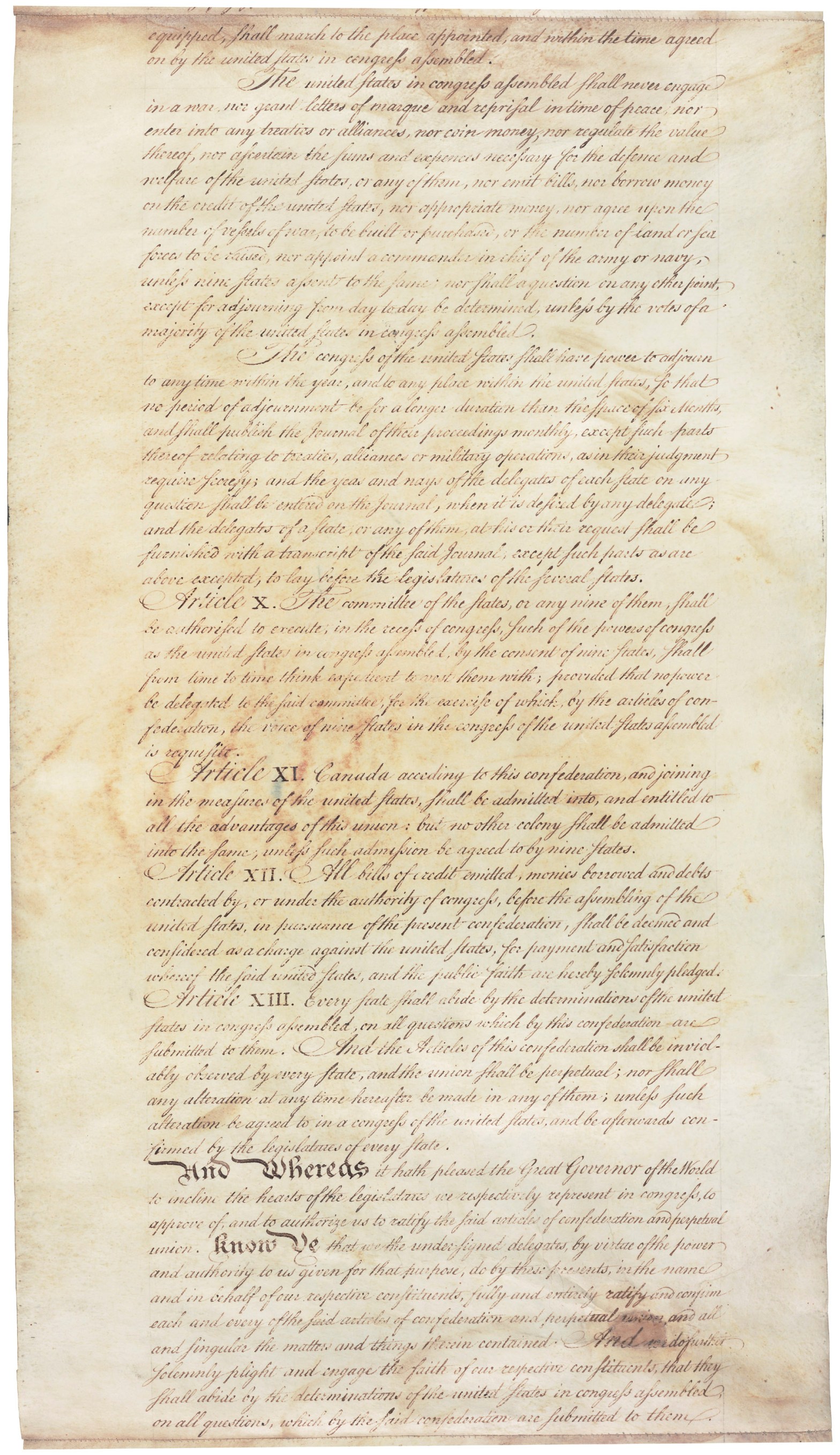
Several years ago, I was giving tours at Independence Hall when one of the guests approached me outside Congress Hall to ask questions about the Articles of Confederations (BTW, volunteers love to be asked questions, that’s why we do this so don’t hold back. If you ask us a question that we don’t know the …
Continue reading “What Language is that written in? Understanding 18th Century Handwriting”
Second Annual Cast Iron Chef at Fort Mifflin
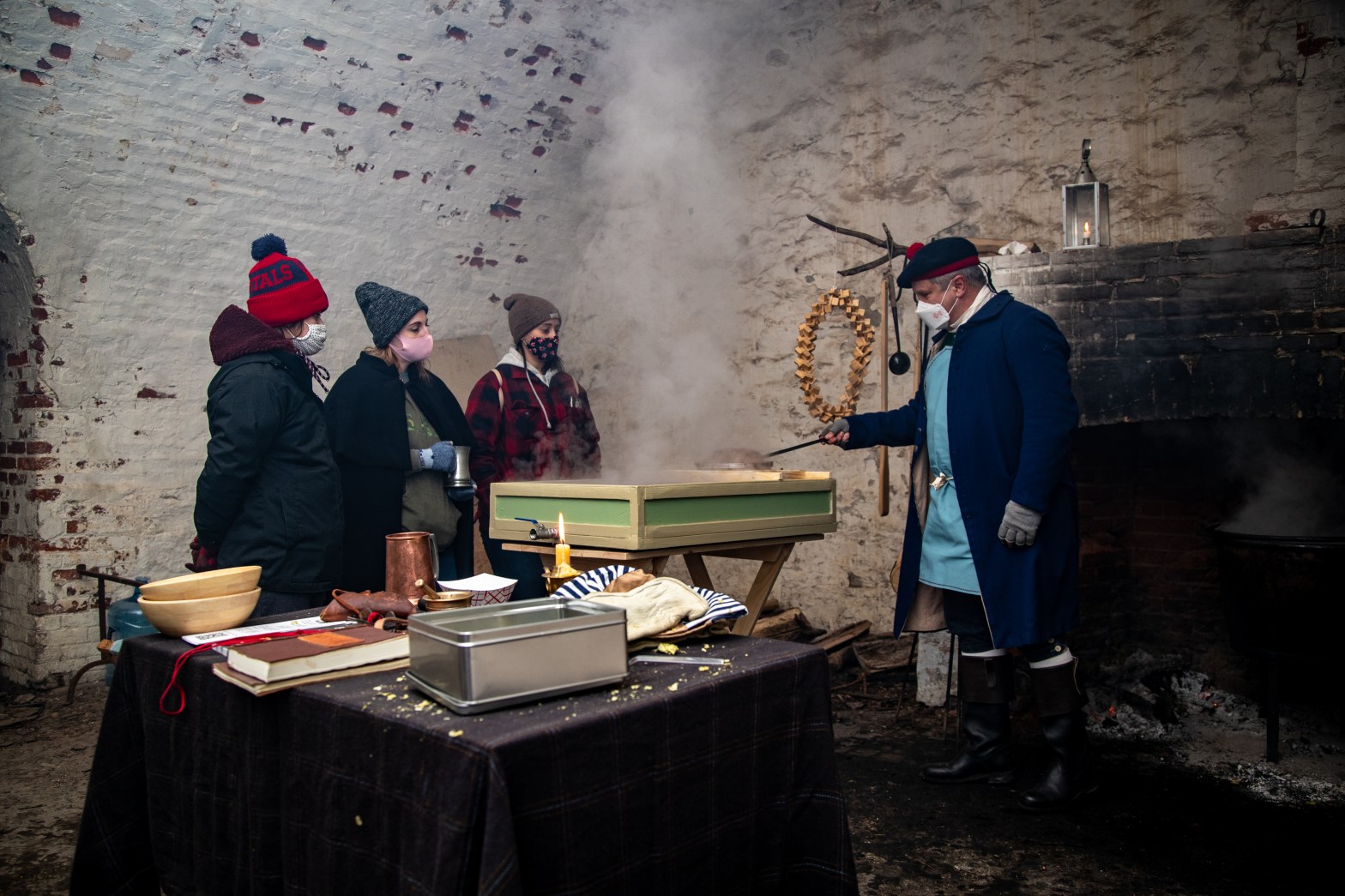
On January 28th, Fort Mifflin on the Delaware (www.fortmifflin.us) and the Regimental Brewmeister (www.colonialbrewer.com) will be conducting a very unique program at Fort Mifflin in Philadelphia. This is our second annual Cast Iron Chef program and it promises to be spectacular. Cast Iron Chef is an opportunity our guest to gain hands on experience working …
Continue reading “Second Annual Cast Iron Chef at Fort Mifflin”
Fighting the War behind a Desk

History books are filled with glorification of exploits on the battlefield and we have all heard the story of Alexander Hamilton bristling at the role of Aide-du-Camp and demanding his opportunity to prove himself in the field. The reality of military operations, however, is very different. Much of the real WORK of a military commander …
The Blacksmith

The blacksmith is a craftsman who fabricates objects out of iron by hot and cold forging on an anvil. The blacksmith’s essential equipment consists of a forge, an open furnace for heating metal ore and metal for working and forming. in which smelted iron is heated so that it can be worked easily; an anvil, …

